


Have you ever wondered if $100 is enough to start trading forex? In this article, we will explore this question and provide some insights into the world of forex trading. Additionally, we will also delve into how data analytics and machine learning can be leveraged to improve your forex trading strategies. So, if you’re curious about starting forex with a small investment or interested in enhancing your trading techniques, you’re in the right place. Let’s dive in!
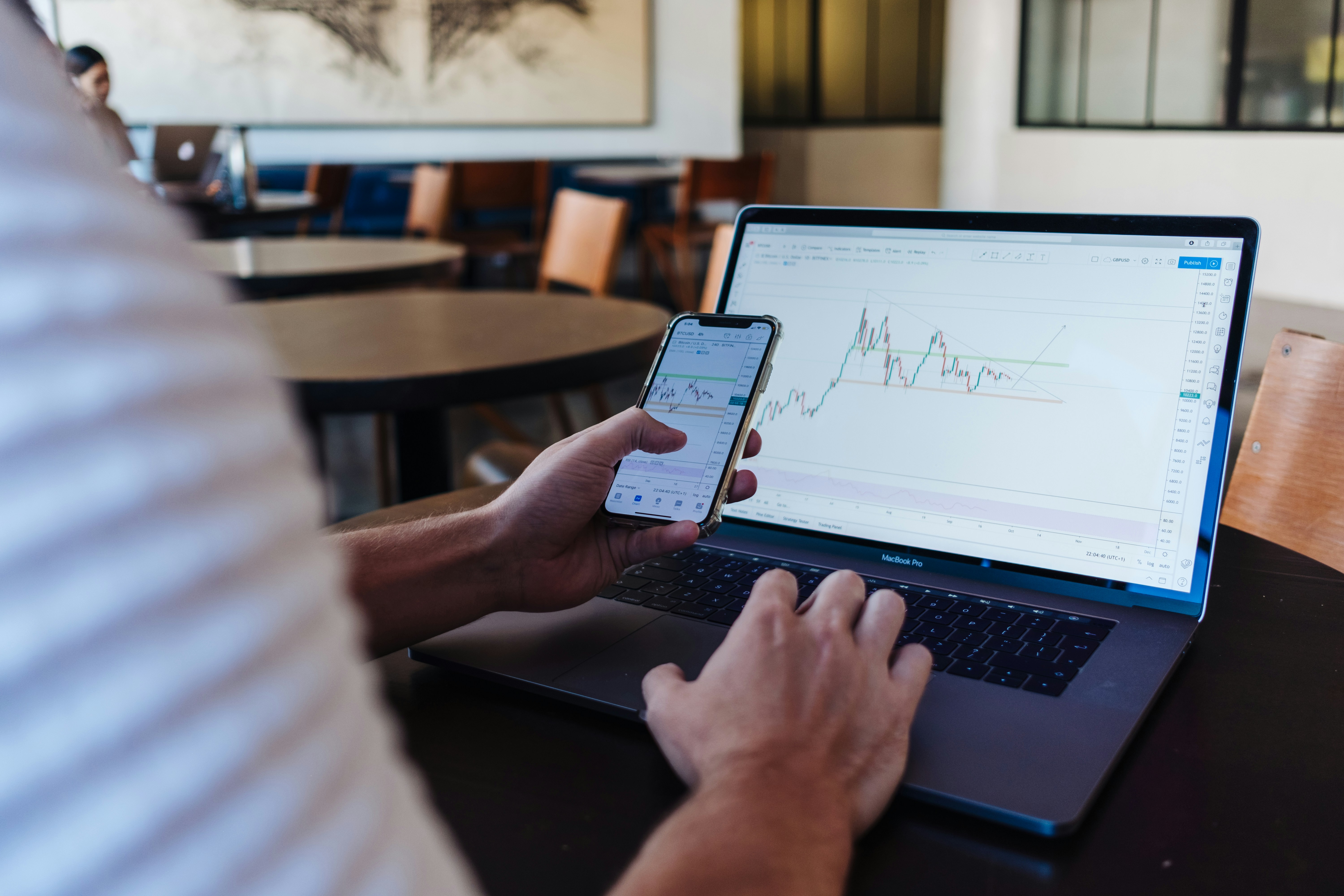
Is $100 Enough To Start Forex?
Forex trading is an exciting and potentially profitable venture that allows individuals to trade currencies from around the world. Many people are drawn to the forex market because of its accessibility and potential for high returns. However, one common question that arises is whether $100 is enough to start forex trading. In this article, we will dive into the various aspects of forex trading to help you understand if $100 is sufficient to begin your forex journey.
Understand the Basics of Forex Trading
Before deciding whether $100 is enough to start forex trading, it is crucial to understand the basics of this market. Forex, short for foreign exchange, is the largest financial market globally, with trillions of dollars being traded daily. In forex trading, participants buy and sell currencies in the hopes of making a profit from the fluctuations in exchange rates.
What is Forex Trading?
Forex trading involves the buying and selling of currency pairs. For example, you can trade the USD/EUR currency pair, which represents the exchange rate between the US dollar and the euro. As a forex trader, you can profit from both upward and downward movements in currency pairs.
Currency Pairs and Exchange Rates
Understanding currency pairs and exchange rates is crucial for forex trading. When you trade currency pairs, you are essentially betting on the exchange rate between two currencies. The exchange rate determines how much of one currency is needed to buy another. This constant fluctuation in exchange rates creates opportunities for traders to profit.
Market Participants
Several participants drive the forex market. These include large financial institutions, such as banks and hedge funds, multinational corporations engaging in international trade, central banks, and retail traders like yourself. The participation of these various entities ensures liquidity in the market and provides opportunities for traders to enter and exit positions smoothly.
Setting Realistic Expectations
While forex trading can be highly lucrative, it is essential to set realistic expectations before diving into the market. Here are a few factors to consider to ensure your expectations align with the reality of forex trading.
Forex as a Source of Income
While it is possible to generate consistent income from forex trading, it is important to note that it takes time, effort, and experience. Forex trading should not be seen as a get-rich-quick scheme. It requires dedication, continuous learning, and developing effective trading strategies.
Understanding Market Volatility
Forex markets are known for their volatility, meaning that exchange rates can fluctuate significantly in short periods. This volatility can present both opportunities and risks. It is crucial to understand that there will be periods of losses along with the gains. Managing your expectations and emotions during such periods is essential for long-term success.
Developing Patience and Discipline
Successful forex traders understand the importance of patience and discipline. It may take time to learn profitable strategies and develop a trading plan that suits your trading style. It is crucial not to rush into trades or let emotions dictate your decisions. Patience and discipline are key qualities that will help you navigate the forex market effectively.
Factors to Consider Before Starting Forex Trading
Before you begin forex trading, several factors should be taken into consideration to ensure that you are ready to take on the challenges of this dynamic market.
Knowledge and Education
Acquiring a solid foundation of knowledge and education in forex trading is crucial. You should understand technical and fundamental analysis, know how to read charts and indicators, and be aware of various trading strategies. Moreover, continuous learning and staying updated with market news and trends will help you make informed trading decisions.
Time and Commitment
Forex trading requires time and commitment. It may not be suitable for individuals who cannot dedicate sufficient time to analyze the markets, monitor trades, and adapt to changing market conditions. Before starting forex trading, assess your schedule and ensure that you can allocate the necessary time and attention to your trades.
Financial Stability and Risk Tolerance
Forex trading involves the risk of losses. It is essential to assess your financial stability and risk tolerance before investing your hard-earned money. While starting with $100 may seem feasible, it is crucial to remember that losses are a part of trading, and you should only trade with funds that you can afford to lose.
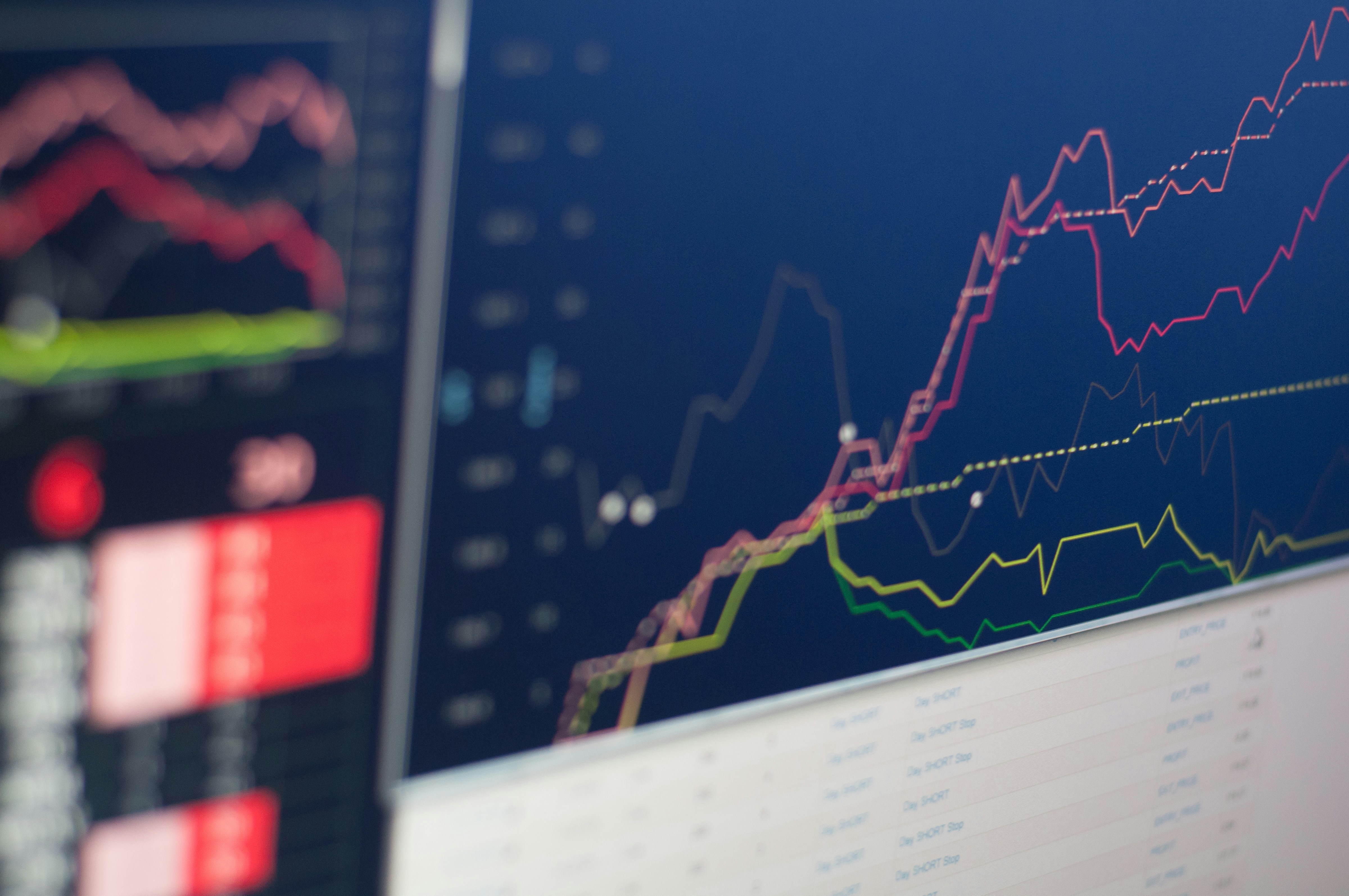
Choosing a Forex Broker
Selecting a reputable forex broker is crucial for your trading success. Here are a few key factors to consider when choosing a forex broker.
Regulation and Reputation
Ensure that the broker you choose is regulated by a recognized financial authority. Regulation provides a level of protection for traders and ensures that the broker operates with transparency and adheres to certain standards. Additionally, look for brokers with a solid reputation in the market, positive reviews, and a proven track record.
Trading Platform and Tools
A reliable and user-friendly trading platform is essential for executing trades efficiently. Look for brokers that offer intuitive platforms with advanced charting and technical analysis tools. Additionally, consider whether the broker provides mobile trading options if you prefer trading on the go.
Customer Service and Support
In the fast-paced world of forex trading, reliable customer service is crucial. Look for brokers that provide prompt and efficient customer support, preferably with multiple channels of communication. This will ensure that you have access to assistance when you encounter any issues or have questions about your trading activities.
Minimum Deposit Requirements
Different brokers have varying minimum deposit requirements. While there are brokers that accept deposits as low as $100, it is important to consider whether this amount is sufficient for your trading goals and risk tolerance.
Account Types and Deposit Options
Brokers usually offer different types of trading accounts with varying features and minimum deposit requirements. Assess your trading objectives and select an account type that aligns with your goals. Additionally, consider the deposit options available and choose a broker that offers convenient and secure methods for funding your trading account.
Assessing Your Financial Situation
Before deciding on the minimum deposit amount, it is crucial to assess your financial situation. Consider your income, expenses, and overall financial stability. Ensure that you have enough funds to cover potential losses and that you are comfortable with the amount you are risking in your trades.
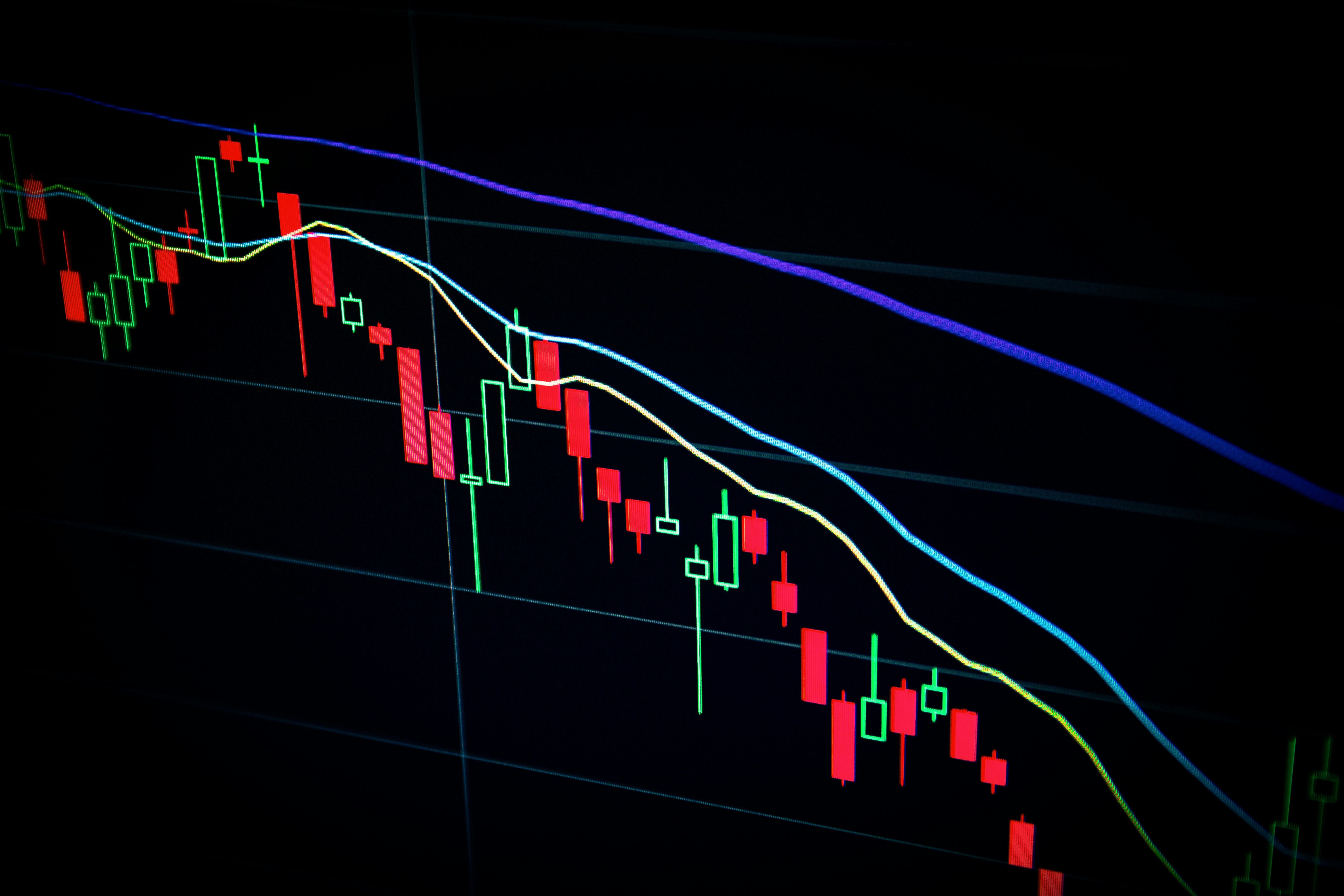
Leverage and Margin in Forex Trading
Understanding leverage and margin is crucial for forex trading, as it allows you to amplify your trading position and potentially increase profits. However, it is important to use leverage wisely and be aware of the potential risks involved.
Understanding Leverage and Margin
Leverage allows you to control a larger position than your account balance. It is represented as a ratio, such as 1:50 or 1:100. For example, with a leverage ratio of 1:100, you can control a position worth $10,000 with a $100 deposit. Margin, on the other hand, is the amount of money required to open and maintain a leveraged position.
Calculating Margin Requirements
Different currency pairs and leverage ratios require different margin requirements. It is essential to understand the margin requirements of your trades to ensure you have enough funds to cover potential losses. Brokers usually provide margin calculators or display the margin requirements directly on the trading platform.
Using Leverage Wisely
While leverage can amplify your profits, it can also magnify your losses. It is crucial to use leverage wisely and within your risk tolerance. Consider your trading strategy, risk management practices, and the potential impact on your trading account. Utilize risk-management tools such as stop-loss orders to limit your losses.
Managing Risk in Forex Trading
Managing risk is a fundamental aspect of forex trading that can help protect your trading capital and ensure long-term success. Here are a few strategies to consider.
Risk Management Strategies
Implementing risk management strategies is essential to protect your trading capital. This may include setting a maximum risk per trade, adhering to predetermined stop-loss levels, and diversifying your trades across different currency pairs. These strategies can help minimize losses and preserve your trading capital.
Setting Stop Loss and Take Profit Levels
Setting stop-loss and take-profit levels is crucial for managing risk. Stop-loss orders automatically close a trade if the price reaches a predetermined level, limiting your potential losses. Take-profit orders, on the other hand, close a trade when it reaches a specified profit level, allowing you to secure your gains.
Diversifying Your Trades
Diversifying your trades across different currency pairs can help spread your risk and protect your trading capital. By trading multiple currency pairs, you are not solely reliant on the performance of a single currency pair. This can help mitigate the impact of potential losses in one trade.

Trading With a Small Account
Trading with a small account can be challenging, but it is not impossible. Here are a few considerations to keep in mind when trading with a small account.
Advantages and Disadvantages
Trading with a small account has its advantages and disadvantages. While a small account may limit the size of your trades and potential profits, it can also help you develop disciplined trading habits, as you may have to carefully manage your risk and position sizes.
Position Sizing and Lot Sizes
With a small account, it is crucial to carefully manage your position sizes. Scaling your trade sizes relative to your account balance will help ensure that you are not risking too much on individual trades. Lot sizes refer to the volume of a trade, and trading smaller lots can be beneficial when starting with a small account.
Maximizing Profit Potential
While trading with a small account may limit your profit potential, it is still possible to achieve meaningful returns. Focus on developing a solid trading strategy, utilizing leverage wisely, and ensuring that you are maximizing profit potential within the constraints of your account size.
Practicing Money Management
Money management is a crucial aspect of forex trading that can help ensure long-term success. Here are a few practices to consider.
Setting Realistic Risk-Reward Ratios
Establishing realistic risk-reward ratios is essential to manage your trades effectively. A risk-reward ratio represents the amount of potential profit compared to the potential loss in a trade. Set realistic ratios that align with your trading strategy and risk tolerance to maintain a healthy balance between risks and rewards.
Using Proper Position Sizing
Proper position sizing is crucial for effective money management. Determine the appropriate position size based on your trading capital, risk tolerance, and the stop-loss level of your trades. Avoid risking a significant portion of your account balance on a single trade, as it can significantly impact your trading capital.
Tracking and Analyzing Your Trades
Keep a record of your trades to track your performance and identify areas for improvement. Analyze your trades regularly to identify patterns, refine your trading strategy, and make informed adjustments. Tracking your trades will help you make better decisions and improve your overall profitability.
In conclusion, while $100 may seem like a small amount to start forex trading, it is possible to enter the forex market with this capital. However, it is essential to have realistic expectations, invest in knowledge and education, choose a reputable forex broker, manage risk effectively, and practice sound money management. Starting with a small account requires discipline, patience, and continuous learning, but with dedication and the right approach, you can set yourself on the path to success in forex trading.
