Stock trading algorithms have revolutionized the way investors buy and sell stocks. These computer based programs use mathematical models and statistical analysis to make trading decisions at lightning speed. In this blog post we will explore how stock trading algorithms work their advantages and disadvantages and the impact they have on the financial markets.
How Stock Trading Algorithms Work
Stock trading algorithms are designed to analyze market data identify trends and execute trades based on predefined rules and parameters. These algorithms can be categorized into two main types –
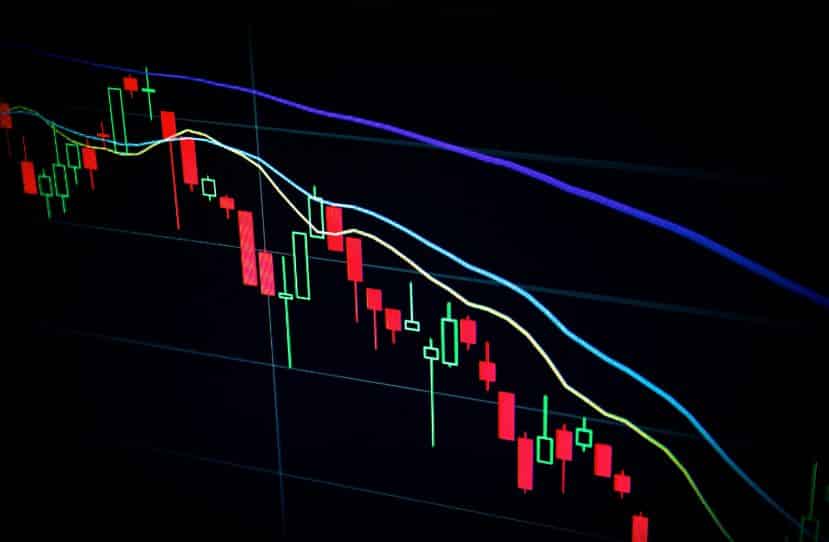
- Trend following algorithms – These algorithms aim to capitalize on market trends by buying or selling assets based on past price movements. They use technical indicators such as moving averages and MACD to identify trends and make trading decisions.
- Mean reversion algorithms – These algorithms look for opportunities to profit from price reversals by buying low and selling high. They identify overbought or oversold conditions in the market and make trades based on the expectation that prices will revert to their mean.
Stock trading algorithms can be further customized to suit individual trading styles and risk tolerance. Traders can adjust parameters such as trade size stop loss levels and profit targets to optimize performance and minimize risk.
Advantages of Stock Trading Algorithms
There are several advantages to using stock trading algorithms –
- Speed – Algorithms can execute trades in milliseconds allowing traders to capitalize on market opportunities faster than human traders.
- Accuracy – Algorithms can analyze vast amounts of data and make objective trading decisions without emotional bias.
- Automation – Algorithms can trade 24/7 without human intervention allowing traders to take advantage of opportunities even when they are not actively monitoring the market.
- Backtesting – Algorithms can be backtested using historical data to evaluate performance and fine tune trading strategies before deploying them in live trading.
Disadvantages of Stock Trading Algorithms
Despite their advantages stock trading algorithms also have some drawbacks –
- Complexity – Building and maintaining trading algorithms can be complex and time consuming requiring technical knowledge and expertise.
- Overfitting – Algorithms that are over optimized on historical data may not perform well in real time trading conditions leading to losses.
- Market impact – High frequency trading algorithms can lead to market volatility and create unfair advantages for large institutional traders over retail investors.
- System failures – Algorithms are susceptible to technical glitches and system failures which can result in significant losses if not monitored closely.
Impact of Stock Trading Algorithms
Stock trading algorithms have had a profound impact on the financial markets –
- Increased liquidity – Algorithms provide liquidity to the market by facilitating faster executions and tighter bid ask spreads.
- Price efficiency – Algorithms help eliminate inefficiencies in the market by quickly adjusting prices to reflect new information and market conditions.
- Market fragmentation – The rise of algorithmic trading has led to the fragmentation of markets with trading taking place across multiple exchanges and dark pools.
- Regulatory scrutiny – Regulators have scrutinized high frequency trading algorithms for their potential to create market manipulation and systemic risks.
Stock trading algorithms have become an essential tool for modern traders looking to gain a competitive edge in the financial markets. While they offer numerous advantages it is important for traders to understand their limitations and risks before incorporating algorithms into their trading strategies.
Related Topics About Stock Trading Algorithms
Day Trading Vs Stock Trading,
Do Stock Trading Algorithms Work,
Equity Algorithmic Trading Strategies,
Equity Algorithmic Trading Systems,
Evolutionary Algorithms Stock Trading,
How Stock Market Algorithm Works,
Stock Algorithmic Trading Strategies,
Stock Exchange Algorithm Trading,
Stock Market Algorithm App,
Stock Market Algorithm Software,
Stock Market Algorithm Software Free,
Stock Market Algorithm Software Price,
Stock Market Algorithms In Java,
Stock Market Analysis Algorithm,
Stock Market And Algorithm,
Stock Market Simple Algorithm,
Stock Market Simulation Algorithm,
Stock Trading Advantages And Disadvantages,
Stock Trading Algorithm App,
Stock Trading Algorithmic Companies,
Stock Trading Algorithms,
Stock Trading Algorithms Python,
Stock Trading Algorithms Software,
Stock Trading Bot Algorithm,
Stock Trading Code,
Stock Trading Definitions,
Stock Trading Ideas,
Stock Trading In Algorithm,
Stock Trading Strategies Trading With Technical Analysis,
Stock Trading Vs Share Trading,
Stocks To Trade Oracle Algorithm,
Stocks To Trade Paper Trading,
What Is Day Trading Stocks,
What Is The Difference Between Stock Trading And Day Trading