


If you’re interested in venturing into the world of forex trading or exploring the realm of signal providers, it’s essential to understand the significance of evaluating their historical performance. Without a doubt, historical performance can provide valuable insights into the profitability and effectiveness of these trading systems. In this article, we’ll explore the various factors to consider when assessing the historical performance of forex trading systems and signal providers, enabling you to make informed decisions and maximize your chances of success in the dynamic foreign exchange market.
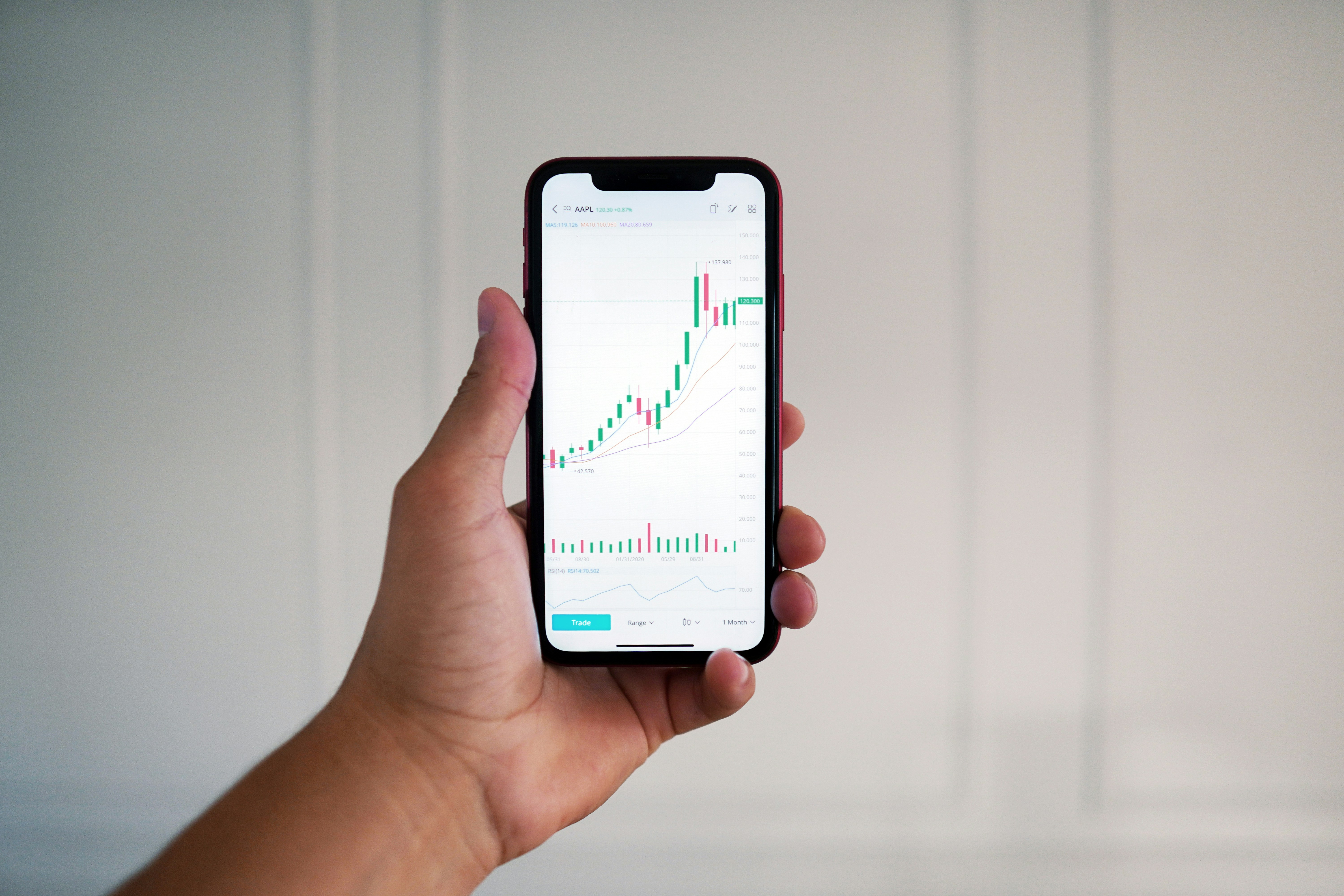
Define Forex Trading Systems and Signal Providers
Understanding Forex Trading Systems
Forex trading systems refer to a set of rules and algorithms designed to assist traders in making profitable trading decisions within the foreign exchange market. These systems are typically automated and rely on mathematical models to analyze market data and generate trading signals. Forex trading systems can be based on various strategies, such as trend following, counter-trend trading, or range trading. By utilizing these systems, traders aim to identify potential market opportunities and manage risks effectively.
Explaining Signal Providers
Signal providers, on the other hand, are individuals or companies that offer trading signals to forex traders. These signals are notifications that indicate when to enter or exit trades based on certain market conditions. Signal providers can use a variety of methods, including technical analysis, fundamental analysis, or a combination of both, to generate these signals. Traders can subscribe to these signals either for free or for a fee, depending on the provider. Signal providers play a crucial role in helping traders make informed trading decisions by providing them with timely and accurate trade recommendations.
Importance of Evaluating Historical Performance
Ensuring Consistency
One of the primary reasons why it is important to evaluate the historical performance of forex trading systems and signal providers is to ensure consistency in their performance. By analyzing past trades and results, traders can determine if a trading system or signal provider demonstrates consistent profitability over time. Consistency is crucial in forex trading as it helps traders identify reliable systems or providers that have a track record of success.
Assessing Profitability
Evaluating historical performance allows traders to assess the profitability of forex trading systems and signal providers. By analyzing past trades, traders can gain insights into the system’s or provider’s ability to generate profits. This assessment is essential as traders want to ensure that they are subscribing to or utilizing systems that have a history of delivering positive returns. Assessing profitability helps traders make informed decisions and avoid wasting time and money on ineffective or unprofitable systems or providers.
Avoiding Scams and Fraudulent Providers
Another crucial reason to evaluate historical performance is to avoid scams and fraudulent signal providers. Unfortunately, the forex industry is not immune to scams, and there are dishonest individuals or companies that may promise exceptional results to attract unsuspecting traders. By analyzing historical performance, traders can identify red flags and be cautious of providers or systems that offer unrealistic returns or have a history of questionable practices. Evaluating the historical performance of signal providers can help traders protect their funds and make wise investment choices.
Factors to Consider when Evaluating Forex Trading Systems
Track Record
The track record of a forex trading system refers to its historical performance over a specific period. Traders should consider the number of trades executed, the profitability of the trades, and the consistency of the system’s performance. A system with a longer track record that consistently generates profits is generally more reliable than one with limited data or inconsistent results.
Win Rate and Success Ratio
The win rate of a trading system indicates the percentage of winning trades it generates. A higher win rate implies a greater likelihood of profitability. However, it is essential to consider the success ratio of the system, which takes into account not only the win rate but also the average size of winning trades compared to losing trades. A trading system with a high success ratio is preferable as it indicates that the system generates significant profits relative to potential losses.
Drawdown and Risk Management
Drawdown refers to the peak-to-trough decline in the trading account balance. Evaluating the drawdown of a trading system is crucial as it measures the risk associated with the strategy. A system with a high drawdown indicates a higher level of risk. Traders should consider the drawdown and assess whether it aligns with their risk tolerance. Additionally, it is important to evaluate the risk management techniques employed by the system to ensure that potential losses are controlled and minimized.
Average Trade Duration
The average trade duration of a trading system refers to the length of time a trade is typically held before being closed. Traders should consider their trading preferences and objectives when evaluating this factor. For example, a long-term trader may prefer a system with a longer average trade duration, while a short-term trader may seek systems with shorter trade durations. By considering this factor, traders can ensure that the trading system aligns with their individual trading style and timeframes.
Risk-to-Reward Ratio
The risk-to-reward ratio measures the potential reward relative to the risk of a trade. It is important to evaluate this ratio when assessing a trading system as it can help determine the potential profitability and effectiveness of the system’s trade setups. A trading system with a favorable risk-to-reward ratio indicates that the potential reward is greater than the potential risk. Traders should look for systems with a balanced risk-to-reward ratio to ensure that the potential gains outweigh the potential losses.
Indicators to Evaluate Signal Providers
Accuracy of Signals
The accuracy of signals provided by a signal provider is a crucial factor to consider when evaluating their performance. Traders should assess the percentage of profitable trades generated by the signals. Additionally, it is important to evaluate if the signals align with the trader’s own analysis and market outlook. Signal providers with a history of accurate signals are more likely to provide reliable trade recommendations.
Frequency and Timeliness of Signals
The frequency and timeliness of signals provided by a signal provider are essential factors to consider. Traders should evaluate how frequently signals are issued and whether they are delivered in a timely manner. Signals that are provided promptly and frequently give traders more opportunities to capitalize on market movements. However, it is important to strike a balance, as excessive signals may lead to decision overload and poor trading outcomes.
Performance Metrics
Signal providers should provide performance metrics that allow traders to assess their historical performance. These metrics may include the percentage of profitable trades, average profit per trade, maximum drawdown, and risk-to-reward ratio. It is important to analyze these metrics and ensure that they align with the trader’s objectives and risk tolerance. Transparent and comprehensive performance metrics provide valuable insights into the effectiveness of the signal provider.
User Reviews and Ratings
User reviews and ratings can provide valuable information about the quality and reliability of signal providers. Traders should consider feedback from other users to gauge the overall satisfaction and success rate of the provider. It is important to look for consistent positive reviews and high ratings, as these indicate a higher probability of receiving accurate and profitable signals.
Analyzing Historical Performance Metrics
Examining Past Trades and Results
To evaluate the historical performance of forex trading systems and signal providers, it is essential to examine past trades and results. This involves analyzing trade data, including entry and exit points, trade duration, and profitability. By examining past trades, traders can gain insights into the effectiveness of the system or provider and identify any patterns or trends in their performance.
Calculating Profit/Loss Ratios
Calculating profit/loss ratios allows traders to assess the overall profitability of a trading system or signal provider. By comparing the total profits earned to the total losses incurred, traders can determine if the system or provider has a positive profit/loss ratio. A positive ratio indicates that the system or provider generates more profits than losses, making it potentially lucrative.
Assessing Return on Investment (ROI)
Return on investment (ROI) is a crucial metric to evaluate the historical performance of forex trading systems and signal providers. By calculating ROI, traders can measure the profitability of their investment relative to the amount invested. A higher ROI indicates a more profitable system or provider. Traders should aim for systems or providers that offer a favorable ROI to maximize their potential returns.
Evaluating Risk Metrics
When evaluating historical performance, it is important to assess risk metrics such as drawdown, risk-to-reward ratio, and volatility. These metrics provide insights into the risk associated with the system or provider. Traders should evaluate if the risk metrics align with their risk tolerance and trading objectives. Low-risk systems or providers that exhibit controlled drawdown and favorable risk-to-reward ratios are generally more desirable.
Backtesting and Forward Testing Strategies
Understanding Backtesting
Backtesting is a process that involves testing a trading system or signal provider’s performance on historical market data. It allows traders to simulate trades based on past market conditions and evaluate the system’s or provider’s effectiveness. By backtesting, traders can assess the profitability and consistency of the system or provider before committing real funds. Backtesting helps identify strengths and weaknesses and provides insights into potential risk and reward.
Implementing Forward Testing
Forward testing involves testing a trading system or signal provider’s performance in real-time market conditions. Traders can implement forward testing by using virtual or demo accounts to trade based on the signals or strategies provided. Forward testing gives traders an opportunity to evaluate how the system or provider performs in current market conditions. It helps validate the system’s or provider’s effectiveness and allows traders to make adjustments or improvements if necessary.
Evaluating Strategies with Historical Data
When backtesting or forward testing, traders should evaluate strategies with historical data to validate the system’s or provider’s effectiveness. This involves analyzing the system’s or provider’s performance during different market conditions, such as trending markets, ranging markets, or volatile markets. By assessing the system’s or provider’s performance in various scenarios, traders can determine if it is adaptable and capable of generating consistent profits in different market environments.

Utilizing Demo Accounts and Trial Periods
Testing Systems and Providers in Demo Accounts
Utilizing demo accounts allows traders to test forex trading systems and signal providers without risking real money. Traders can simulate trades using the system’s signals or strategies and evaluate their performance in a risk-free environment. Demo accounts provide an opportunity to assess the accuracy and profitability of signals or the effectiveness of trading systems before committing actual funds.
Taking Advantage of Trial Periods
Many signal providers offer trial periods during which traders can test their services at a reduced cost or for free. Traders should take advantage of these trial periods to evaluate the performance and reliability of the signal provider. This allows traders to assess the accuracy of signals, the frequency of delivery, and the overall quality of the service before making a long-term commitment.
Reviewing Performance in Simulated Environments
During demo account testing or trial periods, traders should review the performance of forex trading systems and signal providers in simulated environments. This involves analyzing the profitability of trades, the accuracy of signals, and the system’s or provider’s ability to generate consistent results. By reviewing performance in simulated environments, traders can make more informed decisions about which systems or providers to use in live trading.
Monitoring Live Trading Performance
Evaluating Real-Time Results
Once traders have selected a forex trading system or signal provider, it is important to continuously monitor their live trading performance. This involves evaluating the real-time results of trades executed based on the system’s signals or the provider’s recommendations. Traders should assess the profitability, accuracy, and consistency of the trades to ensure that the system or provider continues to meet their expectations.
Monitoring Performance Metrics Regularly
Traders should regularly monitor the performance metrics of forex trading systems and signal providers to stay informed about their ongoing performance. This includes reviewing profit/loss ratios, ROI, drawdown, and other risk metrics. By monitoring these metrics, traders can identify any changes in performance and take appropriate action if necessary. Regular monitoring allows traders to stay updated and make informed decisions about their trading strategies.
Considering Market Conditions
When monitoring live trading performance, it is important to consider the prevailing market conditions. Different market conditions, such as trending, ranging, or volatile markets, may have an impact on the performance of forex trading systems and signal providers. Traders should assess the system’s or provider’s performance in different market conditions and determine if it is consistently profitable across various market environments. Considering market conditions helps traders understand the system’s or provider’s adaptability and robustness.

Comparing and Validating Performance with Independent Sources
Using Independent Review Platforms
Traders can compare and validate the performance of forex trading systems and signal providers by using independent review platforms. These platforms provide unbiased reviews, ratings, and performance comparisons of various systems and providers. By utilizing independent review platforms, traders can access valuable insights from experienced traders and validate the performance claims made by systems or providers.
Verifying Performance with Third-Party Sources
Another way to validate the performance of forex trading systems and signal providers is to verify their performance with third-party sources. Traders can seek reviews and feedback from other traders, forums, or online communities to gather information about the system’s or provider’s track record. Verifying performance with third-party sources helps ensure transparency and credibility in evaluating a system or provider’s historical performance.
Analyzing Published Trade History
Some forex trading systems and signal providers publish their trade history, providing traders with a transparent view of their past trades and results. By analyzing the published trade history, traders can assess the profitability, consistency, and risk associated with the system or provider. It is important to scrutinize the trade history and look for genuine and verifiable results. Analyzing published trade history allows traders to make informed decisions based on actual performance data.
Assessing Risk and Drawdown
Understanding Risk Profiles
Assessing risk profiles is essential when evaluating the historical performance of forex trading systems and signal providers. Traders should have a clear understanding of their own risk tolerance and trading objectives to assess if a system or provider aligns with their risk profile. It is crucial to evaluate the risk management techniques employed by the system or provider and determine if they are in line with the trader’s risk tolerance.
Determining Maximum Drawdown
Maximum drawdown is a crucial risk metric that measures the largest peak-to-trough decline in the trading account balance. By determining the maximum drawdown of a trading system or signal provider, traders can gauge the level of risk associated with the strategy. It is important to consider if the maximum drawdown aligns with the trader’s risk tolerance and if the potential gains outweigh the potential losses.
Evaluating Risk-to-Reward Ratios
Evaluating risk-to-reward ratios helps traders assess the potential reward relative to the risk of a trade. It is important to evaluate this ratio when considering a forex trading system or signal provider. A favorable risk-to-reward ratio indicates that the potential reward is greater than the potential risk, making the investment more attractive. Traders should seek systems or providers that offer a balanced risk-to-reward ratio to optimize their trading outcomes.
