


Imagine a world where individuals from all walks of life have the opportunity to participate in forex trading, unlocking the potential for financial empowerment on a global scale. In today’s fast-paced global economy, forex trading has emerged as a powerful tool for individuals seeking to expand their financial horizons. By providing access to the largest financial market in the world, forex trading offers a pathway to financial inclusion, allowing individuals to take control of their financial future and make the most of their resources. With the potential for high returns and the ability to trade at any time, forex trading is revolutionizing the way individuals approach investing and creating a more inclusive financial landscape for all.
Understanding Forex Trading
What is forex trading?
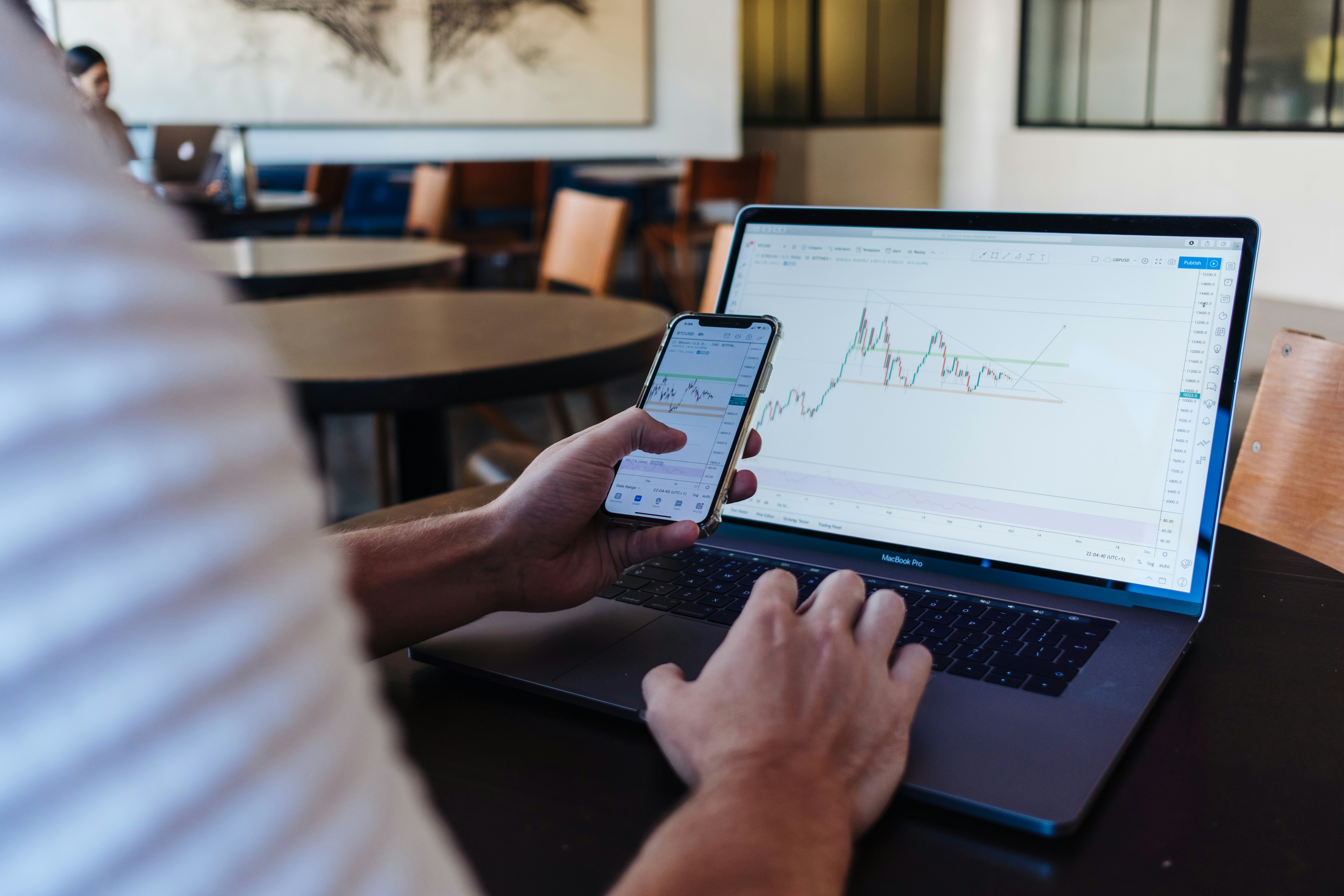
Forex trading, also known as foreign exchange trading, is the process of buying and selling currencies with the aim of making a profit. It is a decentralized global market where currencies are traded 24 hours a day, five days a week. Forex trading involves speculating on the fluctuations in exchange rates between different currencies, and traders profit when they accurately predict the direction of these changes.
How does the forex market work?
The forex market operates on a global scale, with participants including banks, financial institutions, corporations, governments, and individual traders. The market is characterized by high liquidity, as millions of transactions worth trillions of dollars are conducted daily. Currency prices are determined by market forces of supply and demand, influenced by various factors such as economic indicators, geopolitical events, and central bank policies. Trading is done through electronic platforms, which allow traders to buy or sell currencies in real-time.
Why is forex trading popular?
Forex trading has gained popularity in recent years due to its accessibility, potential for high returns, and flexibility. Unlike other financial markets, the forex market operates continuously, providing plenty of trading opportunities. Additionally, individuals can start trading with relatively small amounts of capital, thanks to the availability of leverage. Furthermore, the forex market is highly liquid, ensuring that traders can enter and exit trades quickly. These factors, combined with advancements in technology, have made forex trading an attractive option for individuals seeking to diversify their investment portfolios and potentially generate income.
Importance of Financial Inclusion
Defining financial inclusion
Financial inclusion refers to the accessibility and availability of financial services to individuals and businesses, especially those who are marginalized or underserved. It encompasses the provision of basic financial products and services, such as banking, credit, insurance, and payment systems, to all segments of society. Financial inclusion aims to empower individuals economically and promote inclusive growth by ensuring that everyone has the means to participate in and benefit from the formal financial system.
Benefits of financial inclusion
Financial inclusion has numerous benefits at both the individual and societal levels. For individuals, it provides access to essential financial tools and services, enabling them to save, invest, borrow, and protect themselves against unforeseen events. It also promotes financial stability, as individuals who are financially included are better equipped to manage financial emergencies. Moreover, financial inclusion fosters economic growth by unlocking the productive potential of individuals and businesses, leading to job creation and poverty reduction.
Challenges to achieving financial inclusion
Despite the importance of financial inclusion, several challenges hinder its achievement. One major obstacle is the lack of access to formal financial institutions, particularly in rural and underserved areas. Many individuals are excluded from the formal financial system due to factors such as geographic distance, limited infrastructure, and inadequate financial literacy. Additionally, barriers such as high transaction costs, complex documentation requirements, and limited financial service options continue to exclude large segments of the population. Addressing these challenges requires collaboration between governments, financial institutions, and other stakeholders to develop innovative solutions and increase financial access for all.
Integration of Forex Trading and Financial Inclusion
How forex trading promotes financial inclusion
Forex trading can play a vital role in promoting financial inclusion by providing individuals with an opportunity to access global financial markets and participate in international trade. Through forex trading, individuals can diversify their investment portfolios, potentially earn income, and hedge against currency risks. Moreover, forex trading platforms are often easily accessible through the internet, allowing individuals from remote areas to connect to the global market. This accessibility breaks down barriers, making forex trading a viable option for those who previously had limited access to traditional financial services.
Opportunities for individuals in forex trading
Forex trading offers individuals the opportunity to become active participants in the global financial market. With the advancement of technology, platforms and tools have emerged that allow individuals to trade currencies, even with limited capital. This democratization of access has opened up new avenues for individuals to grow their wealth and participate in global economic activities. Furthermore, forex trading provides individuals with the flexibility to trade at their convenience, allowing them to balance their trading activities with other commitments.
Collaboration between forex brokers and financial inclusion initiatives
Collaboration between forex brokers and financial inclusion initiatives can help expand the reach of forex trading to underserved populations. Brokerages can work with organizations focused on financial inclusion to develop tailored solutions that address specific challenges faced by marginalized communities. This can involve initiatives such as financial literacy programs, simplified account opening processes, and localized customer support. By working together, forex brokers and financial inclusion initiatives can create an enabling environment for individuals to participate in forex trading and access the benefits it offers.
Empowering Individuals through Forex Trading
Increasing access to financial markets
Forex trading empowers individuals by giving them direct access to global financial markets. Traditionally, participation in the financial markets was restricted to institutional investors and large corporations. However, with the advent of online trading platforms, individuals can now trade currencies from the comfort of their homes. This increased access allows individuals to diversify their investment portfolios, potentially earn income, and participate in the global economy.
Enhancing financial literacy and education
An essential aspect of empowering individuals through forex trading is providing them with the necessary knowledge and skills. Financial literacy and education programs focused on forex trading can enable individuals to make informed decisions, understand the risks involved, and develop effective trading strategies. These programs can cover topics such as fundamental and technical analysis, risk management, and the psychological aspects of trading. By equipping individuals with the right knowledge and skills, they can navigate the forex market more confidently and increase their chances of success.
Providing a source of income and economic empowerment
Forex trading can provide a viable source of income and economic empowerment for individuals. By learning effective trading techniques and strategies, individuals can potentially generate consistent profits from their trading activities. This income can contribute to their financial well-being and provide opportunities for personal and professional growth. Additionally, forex trading offers individuals the flexibility to work from anywhere as long as they have access to an internet connection. This freedom can empower individuals to take control of their financial future and improve their overall quality of life.
Overcoming Barriers to Participation
High capital requirements
One of the barriers to participation in forex trading is the perception that it requires a significant amount of capital. While forex trading does involve trading large denominations of currencies, advancements in technology have made it possible for individuals to access leverage. Leverage allows traders to control larger sums of money with only a fraction of the required capital. By utilizing leverage responsibly, individuals with limited capital can engage in forex trading and benefit from potential market movements.
Lack of knowledge and skills
Another barrier to participation in forex trading is the lack of knowledge and skills. Many individuals are hesitant to engage in trading activities due to the fear of making costly mistakes or losing money. However, through proper education and training, individuals can acquire the necessary knowledge and skills to navigate the forex market successfully. It is crucial to emphasize the importance of continuous learning and practice to build confidence and improve trading abilities. This can be achieved through online courses, mentorship programs, and practice trading accounts.
Addressing regulatory and legal challenges
Regulatory and legal challenges can also pose barriers to participation in forex trading. Different countries have varying regulations regarding forex trading, and individuals must ensure they are trading within the legal framework. This can involve understanding licensing requirements, adhering to reporting obligations, and being aware of any restrictions or limitations imposed by regulatory authorities. By familiarizing themselves with the applicable regulations and seeking the services of regulated forex brokers, individuals can ensure they are trading in a transparent and compliant manner.
Forex Trading as a Tool for Poverty Alleviation
Forex trading as a means of wealth creation
Forex trading has the potential to serve as a means of wealth creation, especially for individuals in economically disadvantaged communities. By providing access to global financial markets and the opportunity to profit from currency fluctuations, forex trading allows individuals to grow their wealth beyond traditional income-generating activities. Moreover, forex trading can be an alternative or supplementary source of income, offering individuals the potential to improve their financial situation and alleviate poverty.
Reducing income inequality
Forex trading has the potential to reduce income inequality by providing individuals with an equal opportunity to participate in global financial markets. Unlike traditional income sources, such as employment or local businesses, forex trading allows individuals to directly benefit from their own knowledge, skills, and efforts, rather than relying on external factors. This equalizing effect can help bridge the gap between the rich and the poor, empowering individuals to improve their financial well-being and contribute to their communities’ economic development.
Improving living standards
As individuals engage in forex trading and generate income, the potential exists for improved living standards. Additional income can be used to meet basic needs, invest in education and healthcare, and create better opportunities for future generations. Moreover, the increased economic activity resulting from forex trading can have positive spillover effects on local economies, creating employment opportunities, stimulating business growth, and contributing to overall prosperity. When individuals are economically empowered, they are better equipped to improve their own lives and make positive contributions to their communities.
The Role of Technology in Forex Trading and Financial Inclusion
Online forex trading platforms
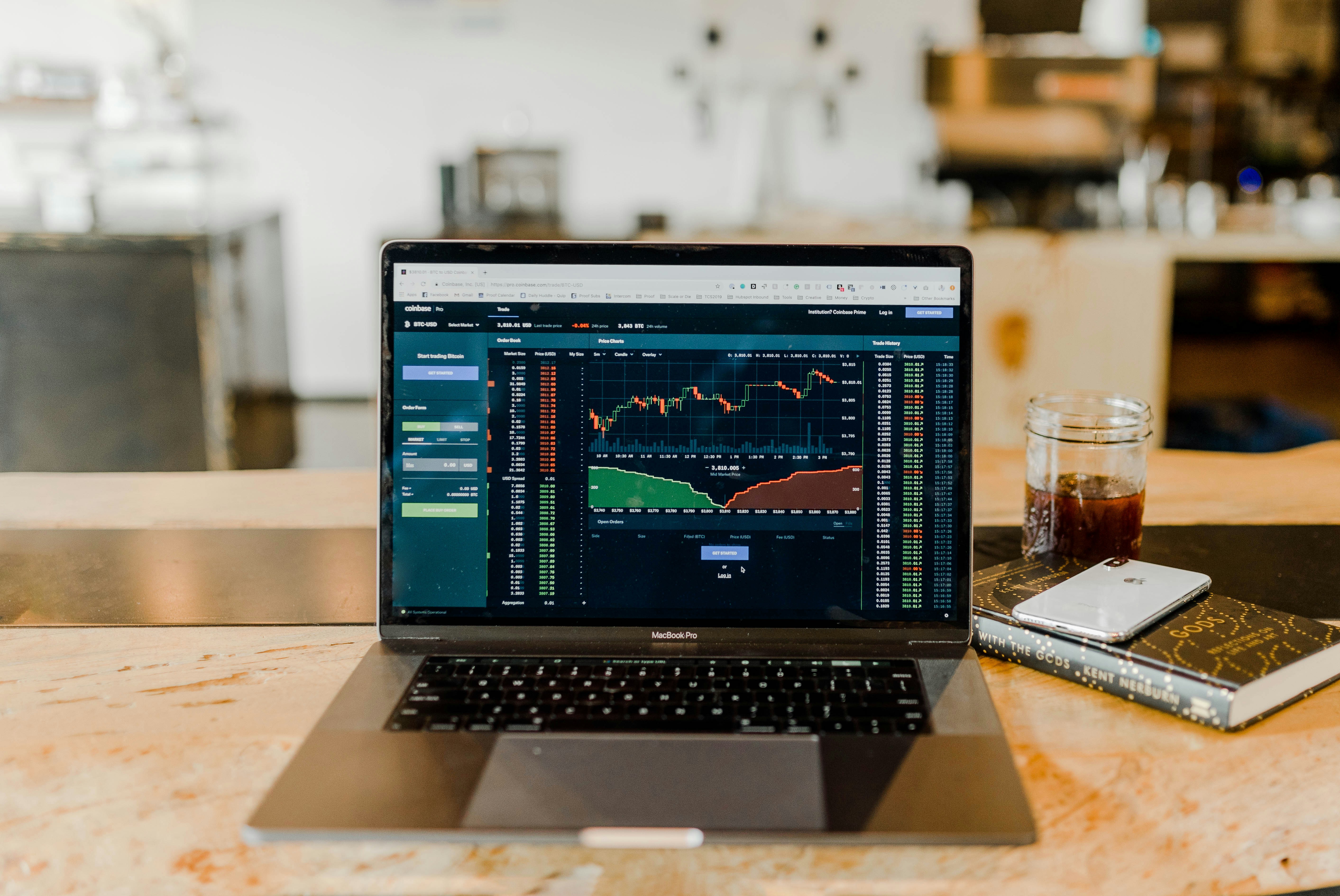
Technology has revolutionized forex trading by enabling individuals to trade currencies through online platforms. These platforms provide access to real-time market data, advanced charting tools, and a range of order types. Online trading platforms also offer convenience, allowing individuals to trade from anywhere with an internet connection. This accessibility has democratized forex trading, making it accessible to a wider range of individuals, even those in remote areas or countries with limited financial infrastructure.
Mobile banking and payment solutions
The proliferation of mobile banking and payment solutions has further enhanced financial inclusion in forex trading. Mobile apps and electronic wallets enable individuals to deposit and withdraw funds from their trading accounts conveniently. Furthermore, mobile banking services facilitate the seamless transfer of funds between different currencies, minimizing the costs and complexities associated with traditional banking services. Mobile banking and payment solutions have significantly contributed to the accessibility and ease of participating in forex trading, especially for underserved populations.
Utilizing artificial intelligence and big data
Artificial intelligence (AI) and big data analytics are increasingly being utilized in forex trading to enhance decision-making and improve trading strategies. AI algorithms can analyze vast amounts of data within seconds, identifying patterns and trends that may not be apparent to human traders. By leveraging AI and big data, traders can make more informed trading decisions and potentially achieve better trading outcomes. These technological advancements have leveled the playing field in forex trading and enable individuals to take advantage of sophisticated tools previously available only to institutional investors.
Global Initiatives for Financial Inclusion
United Nations’ Sustainable Development Goals
Financial inclusion is intricately linked to the United Nations’ Sustainable Development Goals (SDGs). SDG 1 aims to end poverty in all its forms, while SDG 10 focuses on reducing inequality within and among countries. Achieving these goals requires inclusive and sustainable economic growth, which is facilitated by financial inclusion. By expanding access to financial services, promoting financial literacy, and addressing barriers to participation, financial inclusion contributes to the realization of these SDGs and the overall progress towards a more equitable and sustainable world.
World Bank’s Universal Financial Access
The World Bank has launched the Universal Financial Access initiative, which aims to ensure that, by 2020, adults globally will have access to a transaction account to store money, send and receive payments, and access other basic financial services. This initiative recognizes the importance of financial inclusion in achieving poverty reduction, economic growth, and sustainable development. By enhancing financial access and literacy, the Universal Financial Access initiative supports individuals in participating in economic activities, managing their finances, and improving their livelihoods.
G20’s Financial Inclusion Action Plan
The G20, a group of the world’s major economies, has also prioritized financial inclusion through its Financial Inclusion Action Plan. The plan outlines several goals and initiatives to expand financial access, improve financial literacy, and promote consumer protection. The G20 recognizes that financial inclusion is crucial for inclusive growth, poverty reduction, and financial stability. By fostering cooperation among G20 member countries and engaging with other stakeholders, the Financial Inclusion Action Plan seeks to catalyze efforts towards achieving universal financial access and inclusive economic development.

Addressing Risks in Forex Trading
Risk management strategies
Effective risk management is essential in forex trading to protect individuals from potential losses. Traders can employ a range of risk management strategies to mitigate the inherent risks in the forex market. These strategies may include setting stop-loss orders to limit potential losses, diversifying portfolios to spread risk, and utilizing appropriate position sizing techniques. Additionally, traders should stay informed about market events, follow a disciplined trading plan, and continuously evaluate and adjust their strategies to adapt to changing market conditions. By implementing sound risk management strategies, individuals can reduce their exposure to financial risks and safeguard their trading capital.
Avoiding scams and fraudulent activities
As with any financial market, forex trading is not immune to scams and fraudulent activities. Individuals must exercise caution and due diligence to avoid falling victim to these schemes. It is essential to choose reputable and regulated forex brokers, as they adhere to stringent regulatory standards and provide a secure trading environment. Individuals should also be wary of any promises of guaranteed profits or get-rich-quick schemes, as these are often indicators of fraudulent activities. By conducting thorough research, seeking recommendations, and staying vigilant, individuals can minimize the risk of encountering scams and protect their investments.
Transparent and regulated forex trading platforms
To ensure a safe and fair trading environment, individuals should choose forex trading platforms that are transparent and regulated. Regulated platforms are subject to oversight by financial authorities, which helps protect individuals from fraudulent activities and ensures compliance with applicable laws and regulations. Transparent platforms provide clear and accurate pricing information, facilitate secure transactions, and maintain high standards of customer service. By selecting regulated and transparent forex trading platforms, individuals can trade with confidence, knowing that their interests are being safeguarded.
Conclusion
Benefits of integrating forex trading and financial inclusion
Integrating forex trading and financial inclusion offers numerous benefits for individuals worldwide. Forex trading provides individuals with an opportunity to participate in the global financial markets, potentially earn income, and diversify their portfolios. Financial inclusion, on the other hand, empowers individuals by increasing their access to essential financial services, promoting economic growth, and reducing inequality. By combining these two concepts, individuals can gain access to opportunities for economic empowerment, wealth creation, and poverty alleviation.
Potential for global economic development
The integration of forex trading and financial inclusion holds significant potential for global economic development. By expanding access to financial markets, forex trading can facilitate international trade, attract investments, and stimulate economic growth. Financial inclusion, in turn, enables individuals and businesses to participate more actively in economic activities, contributing to inclusive growth and equitable distribution of resources. The synergistic effects of combining forex trading and financial inclusion have the potential to drive global economic progress, create employment opportunities, and enhance living standards.
The importance of continued efforts towards financial inclusion
While the integration of forex trading and financial inclusion offers immense possibilities, it is essential to recognize that challenges persist. Financial exclusion still affects a significant portion of the global population, particularly in developing economies and marginalized communities. Continued efforts are needed to address the barriers to financial inclusion, including improving financial infrastructure, enhancing financial literacy, and promoting regulatory frameworks that support inclusive financial systems. By prioritizing financial inclusion and embracing the potential of forex trading, individuals and societies can work towards a more inclusive and prosperous future.
