


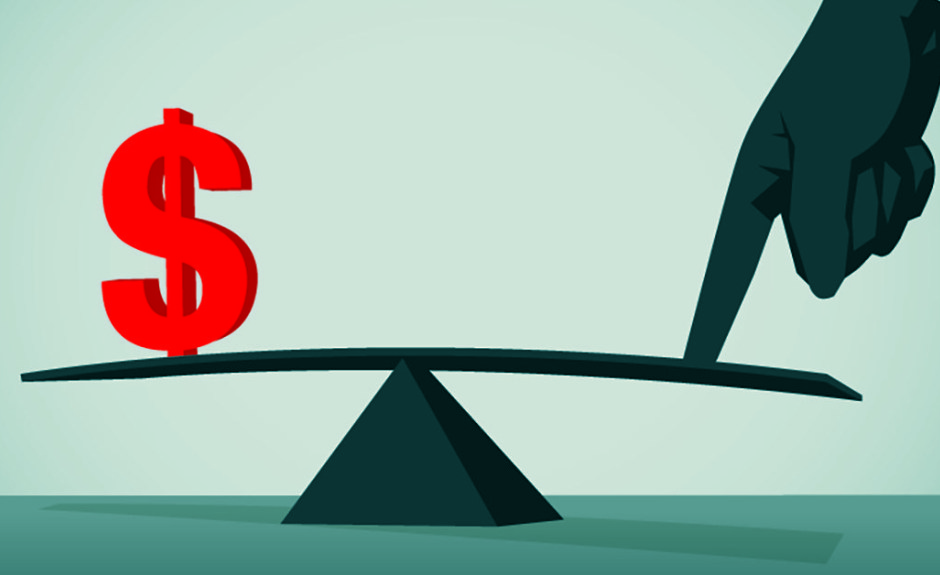
In the thrilling world of Forex trading, leverage is the key to maximizing your potential profits. It’s like a double-edged sword, capable of propelling you to new heights or dragging you down into a financial abyss. This article will unravel the mystery behind leverage, explaining its definition, significance, and potential risks. By the end, you’ll have a solid grasp of how leverage can amplify your gains, but also how it can magnify your losses. Whether you’re a seasoned trader or a curious beginner, understanding leverage in Forex is crucial for navigating this dynamic market. So, let’s embark on this journey together and unlock the secrets of the double-edged sword.

What is Leverage in Forex?
What is leverage?
Leverage in forex trading refers to the ability to control a large amount of money in the market with only a relatively small amount of capital. It allows traders to open positions larger than their account balance, amplifying both potential profits and losses. In simple terms, leverage enables you to multiply the potential return on your investment.
How does leverage work in forex trading?
Let’s say you have a trading account with a leverage ratio of 1:100. This means for every dollar you have in your account, you can control $100 in the forex market. So, if you have $1,000 in your account, you can enter trades worth up to $100,000.
Leverage is provided by forex brokers and is achieved through margin trading. To open a leveraged position, you would need to deposit a certain percentage of the total trade value as collateral, known as margin. The remaining amount is borrowed from the broker.
Why is leverage important in forex trading?
Leverage plays a crucial role in forex trading as it allows traders with limited capital to participate in the market and potentially earn significant profits. Without leverage, traders would need substantial capital to make meaningful trades.
Furthermore, leverage gives traders the opportunity to diversify their portfolios and trade multiple currency pairs simultaneously. This flexibility can lead to enhanced trading strategies and the ability to capitalize on various market opportunities.
How is leverage represented in forex trading?
Leverage is commonly represented as a ratio, such as 1:50, 1:100, 1:200, or even higher. The first number before the colon represents the amount of capital you can control, while the number after the colon indicates the amount of capital you need to have in your account as margin.
For example, if the leverage ratio is 1:100 and you want to place a trade worth $10,000, you would need $100 as margin. The remaining $9,900 is borrowed from your broker.
The Benefits of Leverage
Opportunity for increased profits
One of the primary benefits of leverage is the potential for bigger profits. By controlling larger positions, even a small price movement can result in significant gains. This ability to amplify returns can be particularly appealing for traders looking to maximize their earning potential.
Ability to trade larger positions
Leverage allows traders to take positions that are larger than their account balance. This means they can participate in larger trades, which may not have been possible without leverage. The ability to trade larger positions opens up a wider range of investment opportunities and can lead to more substantial profits.
Higher flexibility in trading strategies
With leverage, traders can implement various trading strategies they may not have been able to use with their account balance alone. Whether it’s day trading, swing trading, or position trading, leverage provides the flexibility to adapt to different market conditions and timeframes. This flexibility can help traders capitalize on different market trends and potentially increase their overall profitability.

The Drawbacks of Leverage
Potential for amplified losses
While leverage can significantly magnify profits, it also increases the risk of amplified losses. Just as a small price movement can generate substantial gains, it can also result in significant losses. Traders must be aware of the potential downside and use risk management strategies to protect their capital.
Increased risk of margin calls
Margin calls occur when a trader’s account balance falls below the required margin level. With leverage, the risk of margin calls is higher, as even a small adverse price movement can quickly deplete the available margin. Traders must monitor their positions closely and maintain adequate capital to avoid margin calls.
Overtrading and emotional decision-making
Leverage can tempt traders to overtrade, as they may feel compelled to take advantage of the larger positions available. This can lead to impulsive and emotional decision-making, which can be detrimental to trading success. It is crucial to maintain discipline and stick to a well-defined trading plan to mitigate the risks associated with leverage.
Understanding Leverage Ratios
What are leverage ratios?
Leverage ratios represent the capital multiplier and margin requirement when entering a trade. They demonstrate the amount of leverage available and the percentage of margin needed. A higher leverage ratio means greater potential profit or loss, but also higher margin requirements.
Common leverage ratios in forex trading
In forex trading, common leverage ratios include 1:50, 1:100, 1:200, and 1:500. Different brokers offer varying leverage options, and traders should choose a ratio that aligns with their risk tolerance and trading strategy.
Effect of different leverage ratios on profits and losses
Higher leverage ratios can amplify both profits and losses. For example, with a 1:500 leverage ratio, a 1% price movement can result in a 500% gain or loss. Traders must exercise caution when using high leverage ratios, as the potential for significant losses is also increased.

Risk Management Strategies for Leveraged Trading
Adequate capitalization
Maintaining adequate capital is crucial when trading with leverage. Traders should have enough funds in their account to sustain potential losses without triggering margin calls. Adequate capitalization provides a cushion for unexpected market fluctuations and helps protect traders’ investments.
Setting stop-loss orders
Setting stop-loss orders is an essential risk management strategy for leveraged trading. Stop-loss orders automatically close a position when the price reaches a specific level, limiting potential losses. By implementing stop-loss orders, traders can define their acceptable risk levels and protect themselves from excessive losses.
Utilizing proper position sizing
Proper position sizing is vital to manage risk effectively when trading with leverage. By determining the appropriate position size based on the available margin and stop-loss level, traders can ensure they are not risking too much of their capital on a single trade. This helps maintain a balanced and sustainable trading approach.
Diversification of currency pairs
Diversifying trading across different currency pairs can help mitigate risk in leveraged trading. Different currency pairs exhibit varying levels of volatility and correlation, and by spreading investments across multiple pairs, traders can reduce their exposure to a single currency or market event. Diversification can enhance risk management and potentially improve overall trading performance.
Margin Calls and Margin Requirements
Defining margin calls
A margin call occurs when a trader’s account balance falls below the required margin level. It is a demand from the broker to deposit more funds to meet the minimum margin requirement to maintain open positions.
How do margin calls work?
When a trader’s account balance declines to a certain threshold, usually below the required margin level, the broker will issue a margin call. The trader is then given a specified period to either deposit additional funds or close some positions to restore the account balance above the required margin level. Failing to meet the margin call may result in the broker closing out positions to cover the losses.
Understanding margin requirements
Margin requirements vary depending on the leverage ratio and the broker’s policy. Different currency pairs may have different margin requirements due to their individual volatility and liquidity. It is crucial to understand the margin requirements associated with each trade before entering into positions to avoid margin calls and potential liquidation.
Dealing with margin calls effectively
To effectively deal with margin calls, traders should maintain a well-capitalized account, set conservative leverage ratios, and use risk management tools such as stop-loss orders. By closely monitoring account balances and following prudent risk management practices, traders can minimize the risk of margin calls and protect their investments.
Leverage and Trading Psychology
The impact of leverage on traders’ psychology
Leverage can significantly impact traders’ psychology, both positively and negatively. The potential for larger profits can fuel greed and overconfidence, leading to excessive risk-taking. On the other hand, the fear of amplified losses can trigger anxiety and emotional decision-making. Traders must develop a strong mindset and emotional discipline to effectively navigate the psychological challenges associated with leveraged trading.
Controlling emotions in leveraged trading
Controlling emotions is crucial in leveraged trading. Traders should avoid impulsive decisions driven by fear or greed and instead rely on their trading plan and risk management strategies. Implementing mindfulness techniques, practicing patience, and maintaining realistic expectations can help traders stay focused and make rational decisions during periods of heightened market volatility.
Developing a disciplined and rational approach
To succeed in leveraged trading, a disciplined and rational approach is essential. Traders should stick to their predefined trading plans, avoid chasing losses, and not deviate from risk management strategies. Consistency, patience, and a long-term perspective are key elements of a successful trading mindset when navigating the complexities of leveraged trading.
Regulatory Guidelines on Leverage
Financial regulations and leverage limits
Financial regulators around the world impose restrictions on leverage to protect retail traders from excessive risk. These regulations aim to prevent traders from losing more than their initial investment. Regulatory frameworks provide a standardized approach to ensure fair trading practices and reduce the potential for system-wide instability.
Different leverage limits in various jurisdictions
Leverage limits vary across different jurisdictions. For example, in the United States, the maximum allowable leverage for forex trading is capped at 1:50 for major currency pairs and 1:20 for minors. In Europe, the European Securities and Markets Authority (ESMA) introduced leverage restrictions, resulting in lower leverage ratios for retail traders. Traders should be aware of the leverage limits in their jurisdiction and ensure compliance with applicable regulations.
Pros and cons of regulatory leverage restrictions
Regulatory leverage restrictions have both advantages and disadvantages. By imposing lower leverage limits, regulators seek to protect retail traders from the risks associated with high leverage. This can potentially reduce the likelihood of significant losses for inexperienced traders. However, lower leverage ratios also limit the profit potential, as traders can no longer employ high leverage strategies to amplify returns. Finding a balance between risk protection and market accessibility is crucial in establishing effective regulatory guidelines.

Leverage in Practice: Case Studies
Successful leverage utilization in forex trading
Several successful traders have effectively utilized leverage to achieve remarkable profits. These traders demonstrate the potential of leverage when combined with thorough analysis, strategic decision-making, and prudent risk management. Their success stories showcase the power of leverage as a tool to amplify trading gains and create wealth.
Ineffective use of leverage and its consequences
Unfortunately, there are also countless examples of traders who have experienced significant losses due to ineffective use of leverage. Misunderstanding or underestimating the risks involved, overleveraging, and failing to implement proper risk management strategies can lead to financial devastation. These cautionary tales serve as important reminders to approach leverage with caution and always prioritize risk management.
Lessons learned from real-world examples
Real-world examples of successful and unsuccessful leverage utilization provide valuable lessons for traders. They emphasize the importance of acquiring a deep understanding of leverage, practicing disciplined risk management, and continuously honing trading skills. Learning from others’ experiences can help traders navigate the complexities of leverage in forex trading and increase their chances of long-term success.
Choosing the Right Leverage for Your Trading Style
Evaluating your risk tolerance
When selecting the appropriate leverage for your trading style, it is crucial to evaluate your risk tolerance. Consider your financial goals, the amount of capital you are willing to risk, and your ability to withstand potential losses. A conservative approach may warrant lower leverage ratios, while more aggressive traders may opt for higher leverage levels.
Considering your trading strategy
Different trading strategies may require different leverage ratios. Scalpers who take advantage of short-term price fluctuations may require higher leverage, while swing traders who hold positions for longer periods may opt for lower leverage. Consider the timeframes, market conditions, and level of risk associated with your trading strategy when determining the ideal leverage for your needs.
Factors to consider when selecting leverage
Several factors should be considered when selecting leverage, including your trading experience, financial situation, and the volatility of the currency pairs you wish to trade. Additionally, evaluate the regulatory requirements in your jurisdiction and the leverage options offered by different brokers. Striking the right balance between risk and potential reward is crucial when deciding on the appropriate leverage for your trading endeavors.
In conclusion, leverage in forex trading is a powerful tool that can amplify both profits and losses. Understanding leverage ratios, managing risk, and maintaining a disciplined approach are essential for successful leveraged trading. By evaluating your risk tolerance, considering your trading strategy, and thoroughly researching the regulatory guidelines, you can choose the appropriate leverage that aligns with your goals and enhances your trading performance. Leverage can indeed be a double-edged sword, but with proper knowledge and responsible utilization, it can be a valuable asset in your forex trading journey.