


Imagine a world where making money from the comfort of your own home is not only possible but also exciting. Well, welcome to the world of Forex trading. In this article, we will explore the question on everyone’s mind: is it hard to be profitable in Forex? With its high potential for financial gain and vast opportunities, the Forex market can seem intimidating to beginners. However, fear not! We will uncover the truth about Forex trading and provide you with essential tips to help you navigate this thrilling industry with ease and confidence. So, let’s get started on your journey to becoming a successful Forex trader!
:max_bytes(150000):strip_icc()/dotdash_INV-final-How-to-Become-a-Successful-Forex-Trader-Apr-2021-01-d5dc37ea6f124529b286f4bc7bd05dd9.jpg "Is It Hard To Be Profitable In Forex?")
Understanding Forex Trading
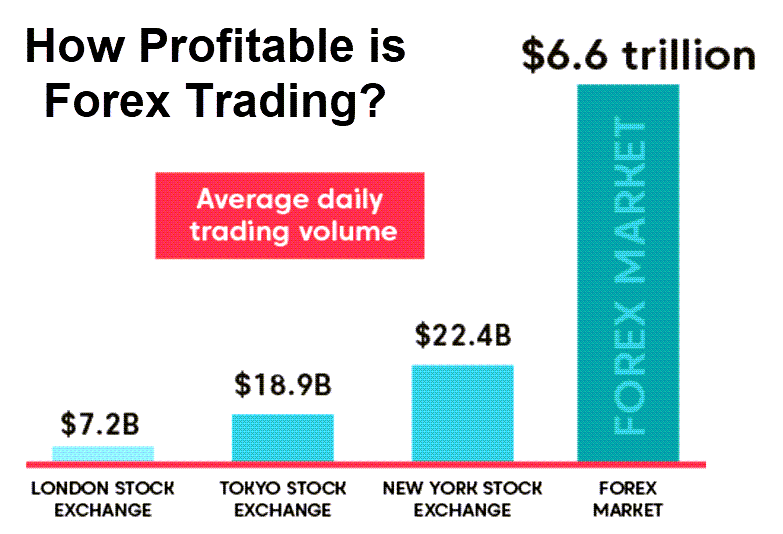
Forex trading, short for foreign exchange trading, refers to the buying and selling of currencies in the global marketplace. The forex market is the largest and most liquid financial market in the world, with an average daily trading volume exceeding $6 trillion. It operates 24 hours a day, five days a week, allowing traders to engage in currency trading at their convenience.
What is Forex?
Forex, as mentioned earlier, is the market where currencies are traded. Unlike other financial markets that focus on commodities or stocks, forex trading revolves around the exchange of one currency for another. For example, you may buy euros using US dollars when you believe that the euro will increase in value compared to the dollar. The goal is to profit from the fluctuations in exchange rates between different currency pairs.
How Does Forex Trading Work?
Forex trading involves speculating on the future direction of currency pairs. Traders make predictions by analyzing various factors such as economic indicators, geopolitical events, and market sentiment. They then execute trades through a forex broker who acts as an intermediary between the trader and the forex market. In essence, traders aim to buy currencies at a low rate and sell them at a higher rate to make a profit.
Challenges of Forex Trading
While forex trading offers great potential for profit, it also poses several challenges that traders must overcome to be successful.
Market Volatility
One of the main challenges in forex trading is the high level of market volatility. Currency exchange rates can fluctuate rapidly due to various factors, including economic news releases, political events, and market sentiment. These sudden price movements can expose traders to increased risk and result in significant losses if not managed properly.
Leverage and Margin
Another challenge in forex trading is the use of leverage and margin. Leverage allows traders to control a larger position in the market with a smaller initial investment. While this can amplify potential profits, it also magnifies the potential losses. Margin, on the other hand, refers to the collateral required to open and maintain positions. If the market moves against a trader’s position, the broker may issue a margin call, requiring additional funds to cover potential losses.
Emotional Discipline
Forex trading requires strong emotional discipline. It is natural for traders to experience various emotions such as fear, greed, and impatience when their hard-earned money is at stake. Making impulsive decisions based on emotions can lead to poor trading outcomes. It is important for traders to remain calm, follow their trading plan, and avoid emotional biases to achieve long-term success.
Technical Analysis
Technical analysis is a widely used approach in forex trading that involves studying historical price data to identify patterns and trends. However, mastering technical analysis can be challenging for beginners due to the complex nature of various indicators, chart patterns, and oscillators. It requires practice, experience, and continuous learning to effectively interpret and utilize technical analysis in trading decisions.
Fundamental Analysis
Fundamental analysis involves assessing the economic, social, and political factors that influence currency exchange rates. It requires analyzing economic indicators, central bank decisions, geopolitical events, and other relevant news. Understanding and interpreting these factors can be challenging, especially for traders who are new to forex trading. It requires staying updated with global economic developments and having a deep understanding of their impact on currency markets.
Factors Affecting Profitability
To be profitable in forex trading, traders need to consider several factors that can influence their success.
Knowledge and Skills
Knowledge and skills are essential for profitable forex trading. Traders need to have a thorough understanding of how the forex market operates, including its dynamics, terminologies, and trading strategies. Continuous learning, staying updated with market developments, and honing trading skills through practice are crucial for long-term profitability.
Risk Management
Effective risk management is vital for profitability in forex trading. Traders should have a well-defined risk management strategy that includes setting appropriate stop-loss and take-profit levels, managing position sizes, and diversifying their trading portfolio. By implementing proper risk management techniques, traders can minimize potential losses and protect their capital, ultimately increasing profitability.
Trading Strategy
Having a well-defined trading strategy plays a crucial role in profitability. Traders should develop a strategy that aligns with their trading style and risk tolerance. Whether it is trend following, range trading, breakout trading, or counter-trend trading, having a clear plan helps traders make informed decisions and stay disciplined in their trading approach.
Market Conditions
Market conditions can significantly impact profitability. Traders need to adapt their strategies and trading approach to different market environments. Whether the market is trending, ranging, or experiencing high volatility, understanding and adjusting to prevailing market conditions is essential for maximizing profits and minimizing risks.
Importance of Education and Training
Education and training are fundamental for achieving success in forex trading. Continuous learning and acquiring new skills can significantly improve profitability and long-term success.
Learning the Basics of Forex Trading
Before diving into forex trading, it is important to learn the basics. This includes understanding how the forex market works, the terminology used, and the various trading mechanisms. Familiarizing yourself with concepts like currency pairs, pips, bid and ask prices, and order types is crucial for building a strong foundation in forex trading.
Developing Trading Skills
Developing trading skills is an ongoing process. Traders should invest time and effort in learning different trading strategies, technical and fundamental analysis techniques, and risk management principles. Practice and experience through simulated trading or demo accounts can help traders refine their skills and gain confidence in their abilities.
Practicing on Demo Accounts
Demo accounts allow traders to practice trading in a risk-free environment. They provide real-time market data and allow traders to execute trades using virtual money. Practicing on demo accounts allows traders to test their strategies, learn from mistakes, and build confidence before risking real capital in live trading.
Continuing Educational Opportunities
The forex market is constantly evolving, and new trading techniques and strategies are being developed. Successful traders understand the importance of continuous learning and staying updated with the latest market trends. Attending webinars, reading books, following reputable financial news sources, and participating in educational courses provide valuable insights and opportunities for growth.
:max_bytes(150000):strip_icc()/dotdash_INV-final-How-to-Become-a-Successful-Forex-Trader-Apr-2021-02-f58d14986f234d21b0acf6177365deae.jpg "Is It Hard To Be Profitable In Forex?")
Developing a Trading Plan
To improve profitability and achieve consistent results, traders should develop a well-crafted trading plan tailored to their specific goals and trading style.
Setting Clear Goals
Setting clear and realistic trading goals is essential for success. Traders should define their financial objectives, risk tolerance, and time commitment. Whether the goal is to generate income or build long-term wealth, having a clear vision helps in making informed trading decisions and staying focused.
Choosing the Right Timeframes
The choice of timeframes for trading is crucial. Traders need to consider their trading style, tolerance for risk, and the amount of time they can dedicate to trading. Different timeframes, such as short-term (intraday), medium-term, or long-term trading, require different strategies and approaches. Finding the right balance between timeframes and trading style is important for optimizing profitability.
Selecting Appropriate Currency Pairs
Currency pairs have different characteristics and behavior in the forex market. Traders need to select currency pairs that align with their trading strategies and goals. Major currency pairs, such as EUR/USD and GBP/USD, are highly liquid and have tight spreads, making them suitable for most traders. Exotic currency pairs, on the other hand, may have higher volatility and wider spreads, requiring careful consideration.
Implementing Money Management Techniques
Money management is a critical aspect of trading. Traders should determine how much capital to risk on each trade, the maximum drawdown they are willing to tolerate, and the percentage of their account they are willing to risk per trade. By implementing proper money management techniques, traders can protect their capital, manage risks effectively, and maximize profitability in the long run.
Risk Management Techniques
To minimize potential losses and protect capital, traders should employ effective risk management techniques.
Setting Stop Loss and Take Profit Levels
Setting stop loss and take profit levels is vital for managing risk. A stop loss order helps limit potential losses by automatically closing a trade when the price reaches a predetermined level. A take profit order, on the other hand, allows a trader to secure profits by automatically closing a trade when the price reaches a favorable level. Setting appropriate stop loss and take profit levels based on analysis and risk tolerance is crucial for preserving capital.
Using Trailing Stops
Trailing stops are a popular tool for managing risk. They allow traders to automatically adjust the stop loss level as the trade continues to move in their favor. Trailing stops lock in profits while still giving the trade room to breathe, minimizing the risk of premature stop-outs. This technique can be particularly useful in capturing larger profits during trending market conditions.
Diversifying Trading Positions
Diversification is a risk management technique that involves spreading investments across different currency pairs or other financial instruments. By diversifying trading positions, traders reduce the risk associated with being exposed to a single currency pair or market. This technique helps to mitigate losses when a particular currency pair is not performing well while capitalizing on profitable trades in other pairs.
Avoiding Overtrading
Overtrading is a common mistake among inexperienced traders. It refers to the excessive buying and selling of currencies, often driven by emotions or the desire to make quick profits. Overtrading can lead to poor decision-making, increased transaction costs, and psychological burnout. It is important for traders to have a disciplined approach, adhere to their trading plan, and avoid executing trades just for the sake of being active in the market.
:max_bytes(150000):strip_icc()/dotdash_INV-final-How-to-Become-a-Successful-Forex-Trader-Apr-2021-03-c8f1a81a011648cdbfc79ee221f30e3b.jpg "Is It Hard To Be Profitable In Forex?")
Psychological Factors in Forex Trading
Psychological factors play a significant role in forex trading, and managing them effectively can contribute to profitability.
Controlling Emotions
Controlling emotions, such as fear and greed, is crucial for successful trading. Fear can lead to missed opportunities, while greed can result in impulsive and irrational decision-making. Traders must develop emotional discipline and make trading decisions based on facts, analysis, and their predetermined strategies rather than being swayed by emotions.
Maintaining Discipline
Maintaining discipline is a key aspect of profitable trading. Traders should follow their trading plan and strategies consistently, regardless of market conditions or short-term deviations. Discipline helps traders stay focused, avoid impulsive trading decisions, and stick to their risk management rules, improving the overall profitability of their trading.
Coping with Losses
Losses are inevitable in forex trading, and it is important to cope with them in a constructive manner. Traders should not let losses affect their emotions or make them deviate from their trading plan. Instead, losses should be viewed as part of the trading process and an opportunity to learn and improve. Analyzing mistakes, identifying areas for improvement, and making necessary adjustments contribute to long-term profitability.
Building Confidence
Confidence is essential for successful trading. By continuously learning, practicing, and honing their skills, traders can build confidence in their abilities. Confidence allows traders to make informed decisions, trust their analysis, and stay committed to their trading strategies. It also helps in riding out temporary setbacks and maintaining a positive mindset, which overall contributes to improved profitability.
Types of Trading Strategies
Forex trading offers a variety of trading strategies that traders can employ based on their preferences and market conditions.
Trend Following Strategy
The trend following strategy aims to identify and ride market trends. Traders using this strategy look for currency pairs that exhibit clear and sustained price movements in a specific direction. They enter positions in alignment with the trend and hold them until the trend shows signs of reversing. Trend following strategies capitalize on the principle that “the trend is your friend.”
Range Trading Strategy
The range trading strategy is based on identifying price levels where a specific currency pair tends to oscillate between support and resistance. Traders using this strategy aim to buy at support levels and sell at resistance levels, profiting from the price movement within the established range. Range trading strategies are commonly used in sideways or consolidating markets.
Breakout Strategy
The breakout strategy focuses on capturing significant price movements when the price breaks out of its established range or consolidation phase. Traders using this strategy identify key support and resistance levels and enter positions when the price breaks above resistance or below support. Breakout strategies aim to catch the early phases of strong trending moves.
Counter-Trend Trading Strategy
The counter-trend trading strategy involves taking positions opposite to the prevailing market trend. Traders using this strategy seek to identify potential turning points or reversals in the market. They look for overextended price movements and signs of exhaustion in the prevailing trend. Counter-trend trading can be risky but can yield high rewards if timed correctly.

Choosing a Reliable Broker
Selecting a reliable forex broker is crucial for successful and profitable trading. Consider the following factors when choosing a broker:
Regulation and Licensing
Ensure that the broker is regulated by a reputable financial authority. Regulation helps protect traders’ funds, ensures fair trading practices, and provides a mechanism for dispute resolution. Regulatory bodies such as the Financial Conduct Authority (FCA), the Australian Securities and Investments Commission (ASIC), and the Cyprus Securities and Exchange Commission (CySEC) are examples of well-known regulatory authorities.
Trading Platforms and Tools
Evaluate the trading platforms and tools provided by the broker. A user-friendly and intuitive trading platform with advanced charting capabilities, technical analysis tools, and risk management features can enhance trading efficiency and decision-making. Mobile trading apps also offer flexibility and convenience for traders on the go.
Execution and Slippage
Efficient trade execution is essential for profitable trading. Look for brokers that offer fast and reliable order execution with minimal slippage. Slippage occurs when the desired price for an order is not available, resulting in a different execution price. Excessive slippage can negatively impact profitability, especially in fast-moving markets.
Customer Support
Reliable customer support is vital for resolving issues and receiving assistance when needed. Choose a broker that provides responsive and knowledgeable customer support through multiple channels such as phone, email, or live chat. Efficient customer support can help address concerns promptly and ensure a smooth trading experience.
Conclusion
Forex trading offers great potential for profitability, but it also comes with challenges that traders must overcome. Understanding the forex market, developing a solid knowledge base, and continuously improving trading skills are crucial for success. Effective risk management, adherence to a trading plan, and controlling emotions are essential psychological aspects of profitable trading. By considering all these factors, traders can navigate the forex market with confidence and increase their chances of achieving profitability. Remember, consistent learning, practice, and discipline are the keys to sustainable success in forex trading.