


Imagine a world where you could be sitting on a beach, sipping a cold drink, and still be earning money. It may sound like a dream, but with Forex trading and the gig economy, it’s now a reality. With Forex, you have the opportunity to trade currencies from anywhere in the world, harnessing the power of global markets to make money while on the move. And with the gig economy, you can take on flexible jobs and freelance work that can be done remotely, giving you even more freedom to live and work wherever you choose. So pack your bags and get ready to explore the exciting world of Forex trading and the gig economy, where earning from anywhere is just a trade or freelance project away.

Understanding Forex Trading
What is Forex?
Forex, short for foreign exchange, refers to the global decentralized market where currencies are bought and sold. It is the largest and most liquid financial market in the world, with trillions of dollars being traded daily. Forex trading involves speculating on the price movements of currency pairs, with the aim of making profits from these fluctuations.
How Does Forex Trading Work?
Forex trading operates on a simple concept of buying one currency and selling another simultaneously. Currency pairs are divided into two categories: the base currency and the quote currency. The exchange rate between the two currencies determines the value of the pair.
Traders can profit from forex trading by correctly predicting whether a currency will appreciate or depreciate in value relative to the other currency in the pair. They analyze various fundamental and technical factors to make informed decisions about when to enter or exit trades.
Popular Currency Pairs
In forex trading, there are a few currency pairs that are commonly traded due to their high liquidity and popularity. These major currency pairs include EUR/USD (Euro/US Dollar), GBP/USD (British Pound/US Dollar), USD/JPY (US Dollar/Japanese Yen), and USD/CHF (US Dollar/Swiss Franc) among others.
Besides major pairs, traders also have the option to trade minor currency pairs, which include currencies from emerging economies, as well as exotic currency pairs that involve one major currency and one currency from a smaller country or region.
Types of Forex Trading Strategies
Forex trading strategies are varied and can cater to different trading styles and risk appetites. Some popular strategies include:
-
Scalping: A high-frequency trading strategy that aims to make small profits from quick trades.
-
Day Trading: Opening and closing trades within the same trading day to take advantage of short-term price movements.
-
Swing Trading: Holding trades for a few days to weeks, aiming to capture larger price swings.
-
Trend Following: Identifying and trading in the direction of established trends, whether up or down.
-
Breakout Trading: Entering trades when the price breaks through important levels of support or resistance.
-
Carry Trading: Capitalizing on interest rate differentials between currency pairs to earn rollover interest.
Each strategy requires its own set of skills, analysis methods, and risk management techniques. Traders often experiment with different strategies to find one that suits their trading style and objectives.
The Gig Economy and Its Growth
Definition of the Gig Economy
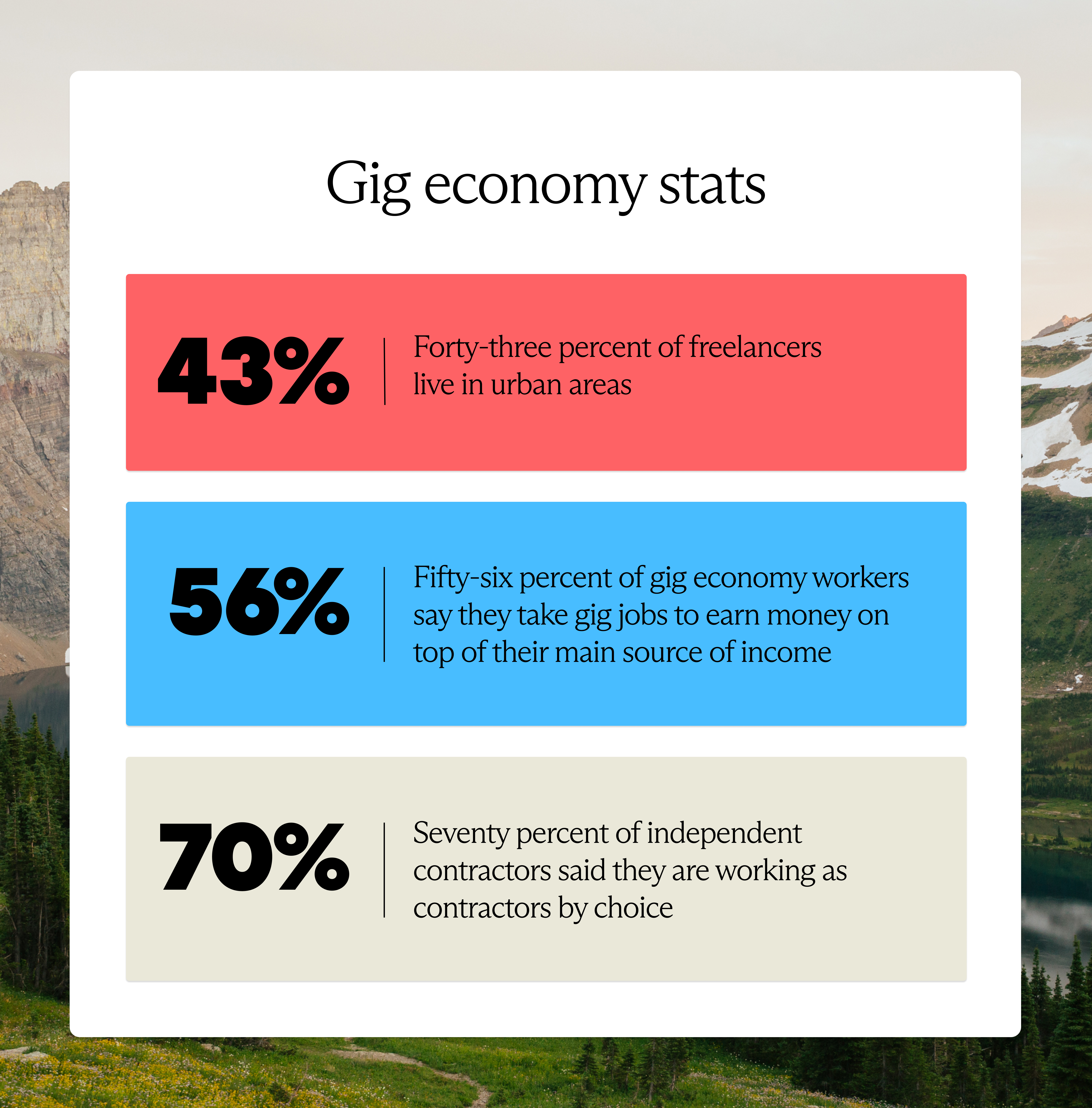
The gig economy refers to a labor market characterized by temporary, flexible, and independent work arrangements. Instead of traditional full-time employment, workers engage in short-term contracts, freelance work, or on-demand tasks. The rise of technology and online platforms has facilitated the growth of the gig economy, connecting workers with employers from all over the world.
Factors Driving the Growth of the Gig Economy
Several factors have contributed to the rapid expansion of the gig economy:
-
Technological Advancements: The gig economy has been fueled by technological innovations that allow workers to connect with clients globally. Online platforms have made it easier to find work opportunities and showcase skills.
-
Flexibility and Autonomy: Many individuals are drawn to the gig economy due to the freedom and flexibility it offers. Workers can choose when and where to work, creating a sense of autonomy.
-
Access to Global Marketplaces: The gig economy has broken down geographical barriers, enabling individuals to work with clients from all around the world. This has expanded the potential client base and increased earning opportunities.
-
Changing Work Culture: Traditional employment models are being challenged by a desire for greater work-life balance and the pursuit of diverse income streams. The gig economy provides an avenue for individuals to shape their careers on their own terms.
Benefits and Challenges of the Gig Economy
The gig economy offers several benefits, including:
-
Flexibility: Workers have the freedom to choose their own working hours and projects, allowing for a better work-life balance.
-
Opportunity for Skill Development: Freelancers and gig workers often diversify their skill set by taking on a wide range of projects, enabling them to acquire new skills and experiences.
-
Increased Earning Potential: By working independently, individuals have the opportunity to earn more than they would in traditional employment, especially if they have niche skills or specialize in high-demand areas.
However, the gig economy also poses challenges, such as:
-
Inconsistent Income: Gig work can be variable, with income fluctuating depending on the volume and availability of projects.
-
Lack of Benefits: Unlike traditional employment, gig workers often do not receive benefits such as health insurance, paid time off, or retirement plans.
-
Precarious Work Conditions: Gig workers may face uncertainty in terms of job security, as they are not protected by the same labor laws and regulations as traditional employees.
-
Self-Employment Responsibilities: Gig workers often have to handle administrative tasks, such as invoicing, marketing, and client management, which can be time-consuming and require additional skills.
Despite the challenges, many individuals are drawn to the gig economy for its flexibility, earning potential, and the ability to define their own career paths.
Harnessing Opportunities in Forex Trading
Combining Forex Trading and the Gig Economy
The gig economy and forex trading can be complementary, offering individuals the opportunity to earn from anywhere in the world. With forex trading, gig workers can add an additional income stream to their portfolio, leveraging their knowledge of the financial markets to generate profits.
By combining forex trading with gig work, individuals can take advantage of the flexibility and autonomy offered by the gig economy while simultaneously building their wealth through trading. This combination allows for diversification and a potential increase in overall earning potential.
Flexibility and Freedom of Earning
Forex trading provides gig workers with the flexibility to earn income at their own pace and convenience. Unlike traditional employment, where income is tied to fixed working hours, forex trading allows individuals to trade whenever they have time and access to the financial markets. This flexibility enables gig workers to balance their trading activities with their gig work, catering to their individual schedules and preferences.
Additionally, forex trading allows for earning opportunity regardless of geographical location. As long as there is an internet connection, individuals can access the forex market and trade currencies from anywhere in the world. This flexibility is particularly beneficial for gig workers who value the ability to work remotely and travel while still earning income.
Diversifying Income Streams
One of the advantages of combining forex trading with the gig economy is the ability to diversify income streams. By earning from multiple sources, individuals reduce their reliance on a single income stream, thereby mitigating the risk of income loss in case of changes or fluctuations in their gig work.
Forex trading adds a layer of financial stability and potential profitability to a gig worker’s overall income. In times of limited gig work or economic downturns, forex trading can provide an alternative means of earning income. By diversifying income streams, individuals can create a more robust and resilient financial situation.
Utilizing Technology and Online Platforms
Both the gig economy and forex trading heavily rely on technology and online platforms. In the gig economy, online platforms connect gig workers with potential employers, creating a marketplace for services. Similarly, forex trading platforms provide access to the global forex market, allowing individuals to execute trades and monitor their positions.
Technological advancements have made it easier than ever to participate in forex trading. With user-friendly trading platforms and mobile applications, individuals can trade currencies with ease, even from their smartphones. This accessibility aligns with the principles of the gig economy, where individuals seek opportunities that can be accessed and managed conveniently through technology.
Utilizing technology and online platforms not only facilitates seamless participation in forex trading but also supports gig workers’ ability to manage their trading activities alongside their gig work. The convenience of online platforms allows for efficient multitasking and ensures that both gig work and forex trading can be managed effectively.
Building Skills and Knowledge in Forex Trading
Educational Resources for Forex Trading
To succeed in forex trading, it is essential to have a strong foundation of knowledge and skills. Fortunately, there is a plethora of educational resources available to help individuals learn about forex trading. These resources include online tutorials, courses, e-books, webinars, and educational videos. These materials cover various aspects of forex trading, such as technical analysis, fundamental analysis, risk management, and trading strategies.
Gig workers interested in exploring forex trading can leverage these educational resources to gain a comprehensive understanding of the forex market, its dynamics, and the factors that drive currency price movements. By investing time in learning and education, individuals can develop the skills necessary to navigate the forex market effectively.
Demo Accounts and Simulated Trading
Practice makes perfect, and this principle applies to forex trading as well. Demo accounts and simulated trading platforms are valuable tools that allow individuals to practice trading without risking real money. These platforms provide a simulated trading environment that replicates the real market conditions, enabling individuals to test their strategies and learn from their experiences.
By using demo accounts, gig workers can familiarize themselves with the trading platform, practice executing trades, and refine their trading strategies. This hands-on experience helps build confidence and allows individuals to gain a realistic understanding of the challenges and intricacies of forex trading.
Certification and Professional Courses
For gig workers who aspire to establish themselves as professional forex traders, pursuing certifications and professional courses can provide a competitive edge. Several organizations and institutions offer certification programs in forex trading, validating individuals’ knowledge and proficiency in the field.
These courses cover advanced topics, such as advanced technical analysis, risk management strategies, and specialized trading techniques. By completing these courses and obtaining certifications, gig workers can enhance their credibility as forex traders and attract potential clients or trading firms.
Networking and Learning from Experienced Traders
Networking within the forex trading community can be instrumental in acquiring valuable insights and learning from experienced traders. Engaging with seasoned traders through online forums, social media groups, and trading communities allows individuals to exchange ideas, seek guidance, and stay updated on market trends.
Additionally, mentorship programs and trading workshops offer opportunities to learn directly from experienced traders. By leveraging the knowledge and experience of others, gig workers can accelerate their learning curve and avoid common pitfalls in forex trading.

Managing Risks and Challenges
Understanding Market Volatility
Forex trading involves inherent risks, and one of the key challenges is dealing with market volatility. Currency prices can experience significant fluctuations due to various economic, political, and social factors. Understanding market volatility requires staying updated on global events and economic indicators that can impact currency values.
Gig workers entering the forex market should educate themselves on the factors that drive volatility and learn how to analyze and interpret market data. By having a solid understanding of market dynamics, individuals can make informed trading decisions and manage risks effectively.
Importance of Risk Management
Risk management is crucial in forex trading to protect capital and mitigate potential losses. Setting stop loss orders and take profit levels is an essential part of managing risk. Stop loss orders automatically trigger a trade exit if the market moves against the trader, limiting potential losses. Take profit levels, on the other hand, allow traders to lock in profits at predetermined price levels.
Furthermore, gig workers should define how much of their overall portfolio they are willing to risk on any given trade. This ensures that individual trades do not disproportionately impact the overall financial situation. By implementing effective risk management strategies, gig workers can safeguard their capital and minimize potential losses.
Setting Realistic Financial Goals
Setting realistic financial goals is imperative to avoid unrealistic expectations and potential disappointment. Forex trading is not a guaranteed path to fortune, and gig workers should approach it with a long-term perspective. Setting achievable goals based on individual circumstances, risk tolerance, and available time is essential.
Creating a well-defined trading plan that outlines specific goals, strategies, and risk tolerance helps gig workers stay focused and disciplined in their trading activities. By setting realistic financial goals, individuals can maintain a sense of perspective and manage their expectations effectively.
Dealing with Psychological Pressures
Forex trading can be psychologically challenging, as it involves making decisions based on constantly changing market conditions. Staying emotionally stable and making rational decisions is critical to success in forex trading.
Gig workers need to develop the discipline to adhere to their trading strategies and avoid making impulsive decisions based on emotions. By following a predefined set of rules and maintaining a level-headed approach, individuals can overcome psychological pressures and make consistent trading decisions.
Implementing techniques such as meditation, mindfulness, and stress management can also help gig workers maintain focus, reduce stress levels, and cultivate emotional resilience while engaging in forex trading.
Choosing the Right Forex Broker
Regulation and Security
Selecting a reputable forex broker is vital to ensure the safety of funds and comply with industry regulations. A regulated broker operates under the supervision and oversight of financial authorities, providing an added layer of security for traders’ capital.
Gig workers entering forex trading should research and choose brokers that are licensed and regulated by reputable financial regulatory bodies. Regulatory bodies such as the Financial Conduct Authority (FCA) in the United Kingdom or the Securities and Exchange Commission (SEC) in the United States are recognized as stringent regulators, ensuring that brokers adhere to industry best practices and maintain high standards of security and integrity.
Range of Tradable Instruments
Forex brokers offer a wide range of tradable instruments in addition to currency pairs, such as commodities, indices, and cryptocurrencies. Having access to a variety of instruments allows gig workers to diversify their trading strategies and explore different opportunities in the financial markets.
Gig workers should consider brokers that offer a broad range of tradable instruments that align with their trading objectives and preferences. This ensures flexibility and the ability to adapt to changing market conditions and opportunities.
Trading Platforms and Tools
The trading platform provided by a broker plays a crucial role in a trader’s overall experience. A user-friendly and reliable trading platform enhances efficiency and ease of use while executing trades. It should provide access to real-time market data, advanced charting tools, and a seamless trading interface.
Furthermore, brokers offering additional trading tools, such as technical analysis indicators or economic calendars, can provide gig workers with valuable resources for making informed trading decisions. Evaluating the features and functionality of trading platforms offered by different brokers helps gig workers choose the one that best suits their trading style and preferences.
Customer Support and Education
Effective customer support and educational resources are essential criteria to consider when choosing a forex broker. Reliable customer support ensures that gig workers can access assistance whenever they encounter technical issues or have inquiries about their trading accounts.
Additionally, brokers that offer educational materials, such as webinars, tutorials, and market analysis, provide gig workers with opportunities to further develop their trading skills and keep up with industry trends. Brokers that prioritize customer education and support contribute to traders’ long-term success and provide a supportive trading environment.
Developing a Solid Trading Strategy
Analyzing Fundamental and Technical Factors
Successful forex trading requires a systematic approach to analyzing both fundamental and technical factors. Fundamental analysis involves studying economic indicators, geopolitical events, and central bank policies that impact currency values.
Technical analysis, on the other hand, focuses on analyzing historical price patterns, market trends, and chart indicators to forecast future price movements. Balancing both fundamental and technical analysis helps traders make informed decisions and anticipate market movements more effectively.
Gig workers should develop a trading strategy that incorporates a combination of fundamental and technical analysis techniques. By understanding how these factors influence currency prices, individuals can identify potential trading opportunities and make well-informed trading decisions.
Identifying Entry and Exit Points
Determining the optimal entry and exit points is a crucial aspect of forex trading. Entry points refer to the price levels or conditions at which traders initiate a trade, believing that the price will move in the desired direction. Conversely, exit points indicate the price levels at which traders close their positions to realize profits or minimize losses.
Gig workers should develop a strategy that outlines specific criteria for identifying entry and exit points. This may include using technical indicators, chart patterns, or trend analysis to confirm potential trading opportunities. Establishing well-defined entry and exit rules helps traders maintain discipline and avoid impulsive decisions driven by emotions or market noise.
Managing Position Sizes and Stop Loss
Proper position sizing and risk management are key components of a successful trading strategy. Position sizing determines the number of units or lots that should be traded based on the trader’s risk tolerance and available capital. This ensures that individual trades are proportionate to the trader’s overall portfolio and risk appetite.
Setting stop loss orders is necessary to manage potential losses and protect capital. A stop loss order is a predetermined price level at which traders exit a trade if the market moves against them. By establishing appropriate position sizes and implementing effective stop loss strategies, gig workers can minimize potential losses and protect their trading capital.
Monitoring and Adjusting Your Strategy
Forex markets are dynamic and constantly evolving, requiring traders to adapt their strategies accordingly. Gig workers should regularly monitor their trading activities and assess the effectiveness of their strategies. By keeping track of their trades, individuals can identify strengths and weaknesses in their strategies and make necessary adjustments to improve performance.
Monitoring market conditions and assessing the performance of different currency pairs allows gig workers to refine their strategies and focus on the most profitable opportunities. Continual learning, adaptability, and a willingness to adjust strategies based on market dynamics are key to long-term success in forex trading.
Implementing Effective Money Management
Determining Risk-Reward Ratios
Risk-reward ratios are a fundamental concept in money management and highlight the relationship between potential profits and potential losses. A risk-reward ratio represents the amount of profit a trader expects to make compared to the potential loss if the trade goes against them.
Gig workers should implement risk-reward ratios that align with their trading strategies and risk appetite. A favorable risk-reward ratio ensures that potential profits outweigh potential losses, contributing to a consistent and sustainable trading approach.
Setting Stop Loss and Take Profit Levels
Setting stop loss and take profit levels is essential to implement effective money management strategies. Stop loss orders protect traders from excessive losses by automatically closing trades when the market moves unfavorably. Take profit levels ensure that profits are secured by exiting trades at predetermined price levels.
Gig workers should define stop loss and take profit levels based on their risk tolerance, trading objectives, and analysis of market conditions. By adhering to these levels, individuals can limit potential losses and secure profits, contributing to overall money management.
Proper Position Sizing
Position sizing represents the allocation of capital to individual trades. Proper position sizing ensures that each trade’s size corresponds to the trader’s risk tolerance and aligns with their overall portfolio. It prevents overexposure to any single trade and allows for effective risk management.
Gig workers should determine position sizes based on their risk appetite, account size, and the potential risk of each trade. Adhering to established position sizing rules helps maintain consistency in trading and prevents excessive losses.
Diversifying and Hedging Risks
Diversification and risk management go hand in hand in forex trading. Diversification involves spreading exposure across multiple currency pairs or financial instruments, reducing the impact of any single trade on the overall portfolio. By diversifying, gig workers can mitigate potential losses from unfavorable price movements in specific currencies or markets.
Furthermore, hedging is another risk management technique used to protect against adverse market conditions. Hedging involves opening offsetting positions to reduce the risk of losses from price fluctuations. Gig workers can utilize hedging strategies to mitigate potential losses and safeguard their trading capital.

Overcoming Challenges of Remote Forex Trading
Internet Connectivity and Technology Issues
Remote forex trading heavily relies on stable internet connectivity and reliable technology. Internet interruptions or slow connection speeds can disrupt trade execution and lead to missed trading opportunities or costly mistakes.
Gig workers engaging in remote forex trading should ensure that they have access to a stable and fast internet connection. Having a backup plan, such as a mobile hotspot or alternative internet service provider, can help mitigate the impact of internet connectivity issues.
Monitoring and promptly resolving any technology issues, such as software glitches or compatibility problems, is also crucial. Regularly updating trading platforms and using reliable hardware and software contribute to a smoother trading experience.
Dealing with Time Zone Differences
Forex trading operates 24 hours a day, five days a week, across different time zones. This poses challenges for gig workers who may need to balance forex trading with their other commitments and activities.
Gig workers should establish a routine that aligns with the market hours of the currency pairs they trade most frequently. This may involve adjusting sleeping patterns or dedicating specific hours of the day to forex trading. Creating a schedule that respects personal and professional commitments while accommodating the forex market’s active trading sessions helps manage time zone differences effectively.
Maintaining Discipline and Focus
Remote forex trading requires discipline and focus, as individuals have the flexibility to manage their own time and work from anywhere. Distractions and lack of structure can impede productivity and hinder trading performance.
Gig workers should create a conducive trading environment that minimizes distractions and promotes focus. This may include setting up a dedicated workspace, establishing a daily routine, and implementing productivity strategies such as time blocking or task prioritization.
Maintaining discipline in following trading plans, risk management strategies, and maintaining emotional resilience are also important aspects of remote forex trading. Sticking to predefined rules and avoiding impulsive decisions based on emotions or external stimuli contribute to consistent trading results.
Balancing Personal and Professional Life
The flexibility of remote forex trading can blur the lines between personal and professional life. Gig workers must strike a balance to prevent burnout and maintain overall well-being.
Establishing boundaries and setting aside dedicated time for personal activities, hobbies, and relationships is essential. By separating personal and professional time, gig workers can achieve a healthier work-life integration and prevent excessive stress or neglect of personal needs.
Creating a support network of friends, family, or fellow forex traders can also provide emotional support and accountability in maintaining a healthy work-life balance.
Success Stories and Tips from Forex Traders
Case Studies of Successful Remote Forex Traders
Case studies of successful remote forex traders serve as inspiration and provide insights into successful trading strategies and approaches. These case studies highlight the importance of discipline, risk management, and adaptation to market conditions. Learning from the experiences of successful traders can help gig workers refine their own trading strategies and achieve their goals.
Lessons and Strategies from Experienced Traders
Experienced traders have honed their skills and acquired valuable insights through years of trading experience. Learning from their experiences and strategies can provide gig workers with guidance, tips, and techniques to enhance their own trading practices.
Engaging with experienced traders through mentorship programs, trading communities, or online forums creates opportunities for knowledge sharing and exposure to different trading perspectives.
Best Practices for Remote Forex Trading
Best practices for remote forex trading encompass a range of strategies and approaches that contribute to long-term success. These best practices cover various aspects of forex trading, including risk management, technical and fundamental analysis, money management, and psychology.
Implementing best practices such as maintaining discipline, continually learning and adapting, keeping a trading journal, and reviewing and refining strategies helps gig workers enhance their trading performance and navigate the challenges of remote forex trading.
Common Mistakes to Avoid
Forex trading comes with its share of common mistakes that can be detrimental to trading performance. Being aware of these pitfalls and avoiding them can save gig workers time, money, and emotional stress.
Some common mistakes to avoid include overtrading, trading without a plan or strategy, emotional trading driven by fear or greed, failing to use stop loss orders, and neglecting continuous education and market analysis.
By learning from the mistakes of others and being mindful of potential pitfalls, gig workers can enhance their trading skills and avoid unnecessary losses.
In conclusion, combining forex trading with the opportunities provided by the gig economy offers gig workers the ability to earn income from anywhere in the world. By understanding and harnessing the potential of forex trading, gig workers can enjoy the freedom, flexibility, and earning potential that the gig economy offers. Building skills and knowledge, managing risks, choosing the right forex broker, and developing solid trading strategies contribute to successful and sustainable forex trading while overcoming the challenges of remote work. By learning from successful traders, implementing best practices, and avoiding common mistakes, gig workers can position themselves for success in the forex market.