


In the world of currency markets, Forex trading and sustainable investing are two concepts that may seem unrelated at first. However, as you delve into the intricacies of this fascinating field, you’ll discover that ethical choices play a significant role in both. This article explores the interplay between Forex trading and sustainable investing, highlighting the importance of making responsible decisions in the currency markets. From examining the impact of currency fluctuations on global sustainability initiatives to understanding how ethical considerations can shape trading strategies, this article offers valuable insights for those seeking to navigate the complex world of Forex trading with a conscience.
Overview of Forex Trading and Sustainable Investing
Forex trading and sustainable investing are two interconnected concepts that have gained significant attention in recent years. Forex, short for foreign exchange, refers to the global marketplace where currencies are bought and sold. On the other hand, sustainable investing focuses on making conscious investment decisions that promote long-term environmental, social, and governance (ESG) considerations. In this article, we will delve into the world of forex trading and explore how sustainable investing can play a pivotal role in shaping currency markets.
Understanding Forex Trading
What is Forex Trading?
Forex trading involves the buying and selling of currencies with the aim of profiting from fluctuations in their exchange rates. It is the largest financial market globally, with trillions of dollars being traded daily. Unlike stocks or commodities, forex trading operates in a decentralized manner, meaning that it doesn’t have a physical location or central exchange. Instead, it relies on a network of banks, financial institutions, and individual traders who execute trades electronically.
Key Players in the Forex Market
Several key players participate in the forex market, contributing to its liquidity and volatility. Central banks have a significant impact on currency prices as they manage monetary policy and can intervene in the market to stabilize their local currency. Commercial banks act as intermediaries, facilitating transactions and providing liquidity to the market. Multinational corporations engage in forex trading to manage foreign exchange risk arising from their international operations. Finally, retail traders, including individuals like you, participate in the forex market with the goal of generating profits through market speculation.
Mechanics of Forex Trading
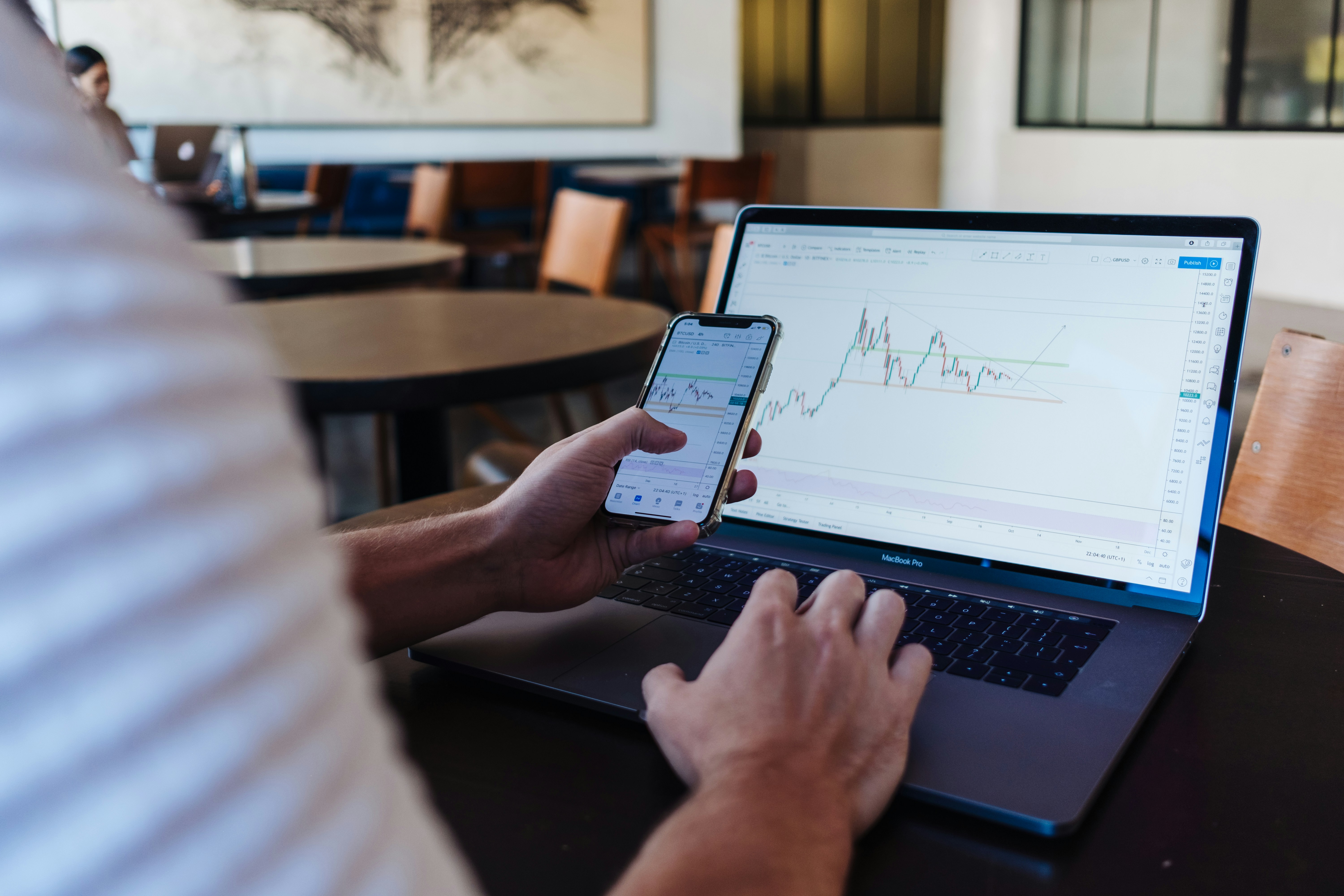
Forex trading operates through currency pairs, consisting of a base currency and a quote currency. When you buy a currency pair, you are essentially buying the base currency and selling the quote currency. The exchange rate between the two currencies determines the value of the trade. Forex trading can be conducted through various platforms, including online brokerage accounts, which provide access to real-time market prices, charts, and tools for executing trades. Traders can engage in different types of orders, such as market orders and limit orders, to enter and exit positions based on their trading strategies.
Advantages and Risks of Forex Trading
Forex trading offers several advantages that attract investors worldwide. The market operates 24/5, allowing traders to participate at any time, regardless of their location. The high liquidity of the forex market ensures that traders can easily enter and exit positions, minimizing the risk of being stuck with illiquid assets. Furthermore, the forex market offers a diverse range of currency pairs, providing ample trading opportunities for traders with different strategies.
However, forex trading also carries certain risks that traders must be aware of. Exchange rate fluctuations can be volatile, leading to potential losses if trades are not properly managed. The leverage available in forex trading amplifies returns as well as risks, making it crucial for traders to exercise caution and utilize risk-management strategies. Moreover, as an over-the-counter market, the forex market is susceptible to counterparty risk, where a trading partner fails to fulfill their financial obligations.
Exploring Sustainable Investing
Definition of Sustainable Investing
Sustainable investing, sometimes referred to as socially responsible investing (SRI), is an investment approach that considers not only traditional financial factors but also ESG considerations in the decision-making process. The goal of sustainable investing is to generate long-term financial returns while also promoting positive societal and environmental impacts. This approach seeks to align investors’ values and beliefs with their investment portfolios.
ESG Factors in Currency Markets
When it comes to sustainable investing in currency markets, ESG factors play a crucial role in shaping investment decisions. Environmental factors assess the impact of economic activities on the environment, such as carbon emissions or deforestation. Social factors evaluate a company’s treatment of its employees, engagement with local communities, and contribution to societal well-being. Governance factors focus on the transparency, accountability, and ethical behavior of companies. By considering these factors, forex traders can choose to invest in currencies of countries or regions that demonstrate strong ESG practices and responsible governance.
Sustainable Investment Strategies for Forex Traders
Forex traders can incorporate sustainable investment strategies into their trading approach. One strategy is currency selection based on ESG factors. Traders can analyze the ESG performance of countries and choose to invest in currencies from nations that demonstrate a commitment to sustainability. Another strategy is impact trading, where traders focus on currencies of countries that are actively addressing environmental and social challenges, such as promoting renewable energy or combating inequality.
Ethical Considerations in Forex Trading
Unethical Practices in Forex Trading
While forex trading provides an opportunity for individuals and institutions to participate in global markets, unethical practices can tarnish its reputation. Some unethical practices include insider trading, manipulating currency prices, front-running client orders, and engaging in fraudulent activities. These practices undermine market integrity and erode trust among market participants.
The Role of Regulation in Ensuring Ethical Practices
Regulatory bodies play a vital role in ensuring ethical practices in the forex market. They establish rules and regulations that govern the behavior of market participants, such as brokers and traders. Regulatory bodies monitor and enforce compliance, investigate misconduct, and impose penalties on those who engage in unethical behavior. By promoting transparency and accountability, regulation helps maintain a fair and trustworthy forex trading environment.
The Impact of Sustainable Investing on Currency Markets
How Sustainable Investing Affects Currency Prices
Sustainable investing can have a significant impact on currency prices. When investors prioritize sustainable investments, they increase demand for the currencies of countries or regions that exhibit strong ESG practices. This increased demand can lead to currency appreciation, as investors perceive these currencies as less risky and more attractive. Conversely, currencies associated with poor sustainability performance may experience depreciation due to reduced demand.
Case Studies on the Relationship Between Sustainable Investing and Currency Markets
Several case studies highlight the relationship between sustainable investing and currency markets. For example, the Swedish krona has benefited from sustainable investing due to Sweden’s commitment to renewable energy and strong environmental policies. Investors seeking environmentally responsible opportunities have shown a preference for the krona, leading to an appreciation of the currency. On the other hand, currencies of countries facing environmental or social challenges, such as deforestation or human rights violations, have experienced depreciation due to reduced investor demand.
Implementing Ethical Forex Trading Strategies
Choosing Ethical Brokers and Trading Platforms
When engaging in forex trading, it is essential to choose ethical brokers and trading platforms that prioritize integrity and transparency. Look for brokers regulated by reputable authorities and check their track record for any instances of misconduct. Ethical brokers should provide clear and accurate information about their fees, execution practices, and risk disclosures. Additionally, they should offer robust customer support and educational resources to help traders make informed decisions.
Utilizing Ethical Trading Practices
Incorporating ethical trading practices can enhance the integrity of your forex trading. Avoid engaging in unethical practices, such as insider trading or manipulating currency prices. Develop a trading plan that aligns with your values and ethical standards. Consider the impact of your trades on other market participants and strive to maintain fairness and transparency in your trading activities. By adopting ethical trading practices, you contribute to a more ethical and sustainable forex trading environment.
Evaluating the Impact of Your Trades on Sustainability Goals
As a forex trader, it is essential to evaluate the impact of your trades on sustainability goals. Consider the ESG performance of the countries or regions whose currencies you trade. Analyze how your trading activities may align or conflict with sustainable development goals. Regularly assess and review your trading strategies to ensure they align with your values and contribute to long-term sustainability.
Integrating Sustainable Investing in Forex Trading
Incorporating ESG Factors in Fundamental Analysis
Fundamental analysis is a key tool in forex trading, and incorporating ESG factors into this analysis can provide valuable insights. Consider the ESG performance of countries or regions when evaluating their economic outlook and potential currency movements. Analyze how environmental policies, social factors, and governance practices may impact a country’s economy and currency valuation. By integrating ESG factors into fundamental analysis, you can make more informed trading decisions with sustainability in mind.
Using Technical Analysis for Sustainable Trading
Technical analysis is another commonly used approach in forex trading, utilizing charts, patterns, and indicators to predict future price movements. While sustainability considerations may not be readily apparent in technical analysis, traders can still apply ethical principles by avoiding investments in currencies associated with companies that have poor ESG records. Incorporate ESG insights into technical analysis by considering how sustainability factors may influence market sentiment and trends.
Aligning Investments with Sustainable Development Goals
As sustainable investing gains momentum, aligning your forex trading with sustainable development goals can be a powerful way to make a positive impact. Identify the sustainable development goals most relevant to you and consider how your forex trading activities can help advance those goals. For example, you may choose to invest in currencies of countries that prioritize renewable energy, sustainable agriculture, or gender equality. By aligning your investments with sustainable development goals, you contribute to a more sustainable and inclusive world.
The Future of Ethical Forex Trading and Sustainable Investing
Trends and Innovations in Ethical Forex Trading
The future of ethical forex trading looks promising, as new trends and innovations emerge. Increasingly, investors are demanding greater transparency and accountability in the forex market, pushing for stricter regulation and more ethical practices. Sustainable investing is expected to continue its growth trajectory, with institutional investors leading the way in integrating ESG factors into their investment decisions. Furthermore, advancements in technology, such as blockchain and artificial intelligence, are likely to contribute to a more efficient and transparent forex trading ecosystem.
Opportunities for Growth in Sustainable Investing
Sustainable investing presents significant opportunities for growth in the forex market. As environmental and social challenges become more pressing, investors are recognizing the importance of making responsible investment choices. This growing demand for sustainable investments will likely lead to increased opportunities for forex traders to engage in ethical trading and contribute to positive societal and environmental outcomes. Additionally, the expansion of ESG data and analytics platforms will provide traders with more tools to assess the sustainability performance of currencies and make informed investment decisions.

Conclusion
Forex trading and sustainable investing intersect in the currency markets, offering traders the opportunity to make ethical choices that align with their values while pursuing financial returns. By understanding the mechanics of forex trading, incorporating sustainable investment strategies, and implementing ethical trading practices, you can contribute to a more sustainable and responsible forex trading environment. As the importance of sustainability continues to grow, ethical forex trading and sustainable investing hold immense potential for shaping the future of currency markets. Embrace the power of ethical choices and join the global movement towards a more sustainable financial landscape.