


Are you interested in forex trading? If so, it’s important to be aware of the tax considerations associated with this type of investment. Understanding how forex trading can impact your tax obligations is crucial to avoid any surprises or potential penalties. In this article, we will provide you with a comprehensive overview of the tax implications of forex trading, including key concepts and tips to help you navigate this complex area successfully. Whether you are a beginner or an experienced trader, arming yourself with this knowledge will ensure that you are equipped to make informed decisions and stay on the right side of the tax authorities.

Understanding Forex Trading
What is Forex Trading?
Forex trading, also known as foreign exchange trading, is the process of buying and selling currencies on the global market. It is the largest and most liquid financial market in the world, with trillions of dollars being traded every day. The main participants in forex trading are commercial banks, central banks, hedge funds, corporations, and individual retail traders like you.
How Does Forex Trading Work?
Forex trading involves speculating on the price movements of currency pairs. Currency pairs are quoted in terms of one currency against another. For example, the EUR/USD pair represents the value of the euro against the US dollar. Traders aim to make profits by buying a currency pair at a low price and selling it at a higher price, or by selling a currency pair at a high price and buying it back at a lower price.
Forex markets are open 24 hours a day, five days a week, allowing traders to react to global economic events and news that impact currency prices. Traders can access the forex market through online platforms provided by forex brokers, which offer tools and resources for analysis and trading.
Advantages of Forex Trading
One of the major advantages of forex trading is its high liquidity. The size and scale of the forex market mean that you can enter and exit trades quickly and easily, even with large order sizes. This liquidity also means that there is generally low transaction costs compared to other financial markets.
Another advantage of forex trading is the ability to trade on margin. Margin trading allows you to control a larger position with a smaller amount of capital. This amplifies both profits and losses, so it’s important to use caution and manage risk carefully.
Forex trading also offers a wide range of currency pairs to trade, providing opportunities to profit in various market conditions. Additionally, the forex market is highly accessible, with many brokers offering low minimum deposit requirements and flexible trading account options.
Tax Considerations for Forex Traders
Classification of Forex Traders
When it comes to tax considerations, forex traders are typically classified into two categories: casual traders and business traders. Casual traders are individuals who trade forex on a part-time basis and do not depend on their trading income for their livelihood. Business traders, on the other hand, engage in forex trading as their primary source of income.
Tax Treatments for Forex Trading Income
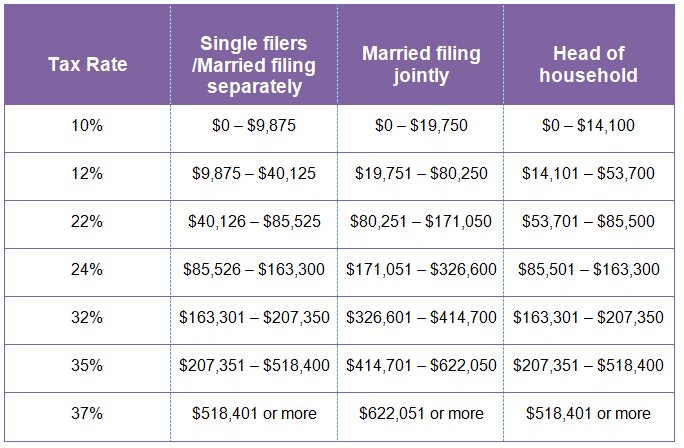
The tax treatment for forex trading income depends on the trader’s classification. For casual traders, forex trading profits are generally treated as capital gains and are subject to capital gains tax. The tax rate will vary depending on the individual’s income tax bracket.
Business traders, on the other hand, are subject to different tax rules. The profits from forex trading are treated as ordinary income and are subject to self-employment tax in addition to regular income tax. Business traders can also deduct business-related expenses from their trading income, such as trading platform fees, data subscriptions, and trading education expenses.
Expenses and Deductions for Forex Traders
Forex traders, both casual and business, can take advantage of various deductions to minimize their tax liabilities. Some of the common deductions include home office expenses, equipment and software costs, professional fees, and travel expenses related to attending trading seminars or conferences.
It is important for forex traders to keep detailed records of their expenses and ensure they comply with the tax laws in their jurisdiction. By taking advantage of deductions, traders can reduce their taxable income and potentially lower their overall tax burden.
Tax Reporting and Compliance
Filing Requirements for Forex Traders
Forex traders are required to report their trading income and pay taxes accordingly. The specific filing requirements will depend on the trader’s classification and the tax laws of their country. Casual traders may need to report their trading income on their personal income tax return, while business traders may need to file a separate business tax return.
It is essential for forex traders to stay up to date with the tax regulations in their jurisdiction and fulfill their reporting obligations in a timely manner. Failure to comply with tax laws can result in penalties and legal consequences.
Reporting Foreign Exchange Gains and Losses
Forex traders need to report their gains and losses from foreign exchange transactions accurately. Gains or losses are calculated by determining the difference between the purchase price and the sale price of the currency pair. This information needs to be reported on the appropriate tax forms or schedules.
It is important to note that foreign exchange gains and losses may also be impacted by currency translation rules and fluctuations in exchange rates. Traders should seek professional advice to ensure they comply with the necessary reporting requirements and accurately calculate their taxable income.
Tax Forms for Forex Trading Income
The specific tax forms and schedules required for reporting forex trading income will vary depending on the tax jurisdiction. In some countries, traders may need to fill out specific forms designed for reporting investment income or self-employment income. It is important for traders to review the tax forms provided by their tax authorities and gather all the necessary information to complete them accurately.
Legal Structures for Forex Trading
Individual Forex Trading
Many forex traders operate as individuals, without forming a separate legal entity. This means that their trading income and expenses are reported on their personal income tax return. Operating as an individual trader may be more straightforward and require less paperwork and legal obligations.
However, it is important to consider the potential risks and liabilities associated with individual trading. If you incur significant trading losses that exceed your trading capital, you may be personally liable for those losses. It may be beneficial to consult with a legal professional to understand the potential legal implications of operating as an individual trader.
Trading as a Business Entity
Some forex traders choose to trade as a business entity, such as a limited liability company (LLC) or a corporation. Trading as a business entity can provide certain legal protections and allow for more flexibility in managing tax obligations.
However, forming a business entity comes with additional responsibilities and costs. Traders will need to comply with the legal requirements of establishing and maintaining a business entity, including registering with the appropriate government agencies and filing annual reports. It is advisable to seek guidance from a legal and tax professional to determine the most suitable legal structure for your forex trading activities.

Specific Tax Considerations
Conversion of Forex Trading Income
Forex traders may need to consider the tax implications of converting their trading income from one currency to another. Currency conversion can result in foreign exchange gains or losses, which may need to be reported for tax purposes. Traders should keep accurate records of their currency conversions and consult with a tax professional to ensure compliance with the applicable tax regulations.
Hedging Strategies and Tax Implications
Hedging is a risk management strategy used by forex traders to protect against adverse currency price movements. Traders can use various hedging techniques, such as entering into offsetting positions or using financial instruments like options or futures contracts.
When it comes to tax implications, hedging strategies can be complex. Gains or losses from hedging transactions may be treated differently for tax purposes, depending on the tax jurisdiction. Traders should consult with a tax professional to understand the specific tax treatments and reporting requirements for their hedging activities.
Taxation of Forex Trading Losses
Forex traders may experience losses in their trading activities, which can have tax implications. Losses incurred from forex trading can typically be deducted against other income, reducing the overall tax liability.
However, it is important to note that tax laws regarding the treatment of trading losses may vary depending on the trader’s classification and jurisdiction. Traders should consult with a tax professional to understand the specific rules and limitations associated with deducting trading losses.
Tax Planning for Forex Traders
Maximizing Tax Benefits
Forex traders can employ various tax planning strategies to maximize their tax benefits. This may include taking advantage of deductions, contributing to retirement accounts, and utilizing tax-efficient investment vehicles. By carefully planning and structuring their trading activities, traders can minimize their tax liabilities and retain more of their trading profits.
Minimizing Tax Liabilities
To minimize tax liabilities, forex traders should be proactive in tracking their income and expenses, keeping accurate records, and complying with all tax reporting requirements. By maintaining thorough documentation and seeking professional tax advice, traders can ensure they are not overpaying taxes and are taking advantage of all available deductions and credits.
Seeking Professional Tax Advice
Given the complex nature of tax regulations and the unique circumstances of each trader, seeking professional tax advice is highly recommended. A tax professional with expertise in forex trading can provide valuable guidance on tax planning strategies, reporting requirements, and compliance obligations. They can help ensure that traders understand their tax obligations and maximize their tax benefits within the legal framework.
International Tax Implications
Foreign Taxation for Forex Traders
For forex traders who engage in international trading activities, there may be additional tax considerations to take into account. Depending on the tax laws of the countries involved, traders may be subject to foreign taxation on their forex trading income.
It is important for international traders to understand the tax regulations of the countries where they trade and ensure compliance with both domestic and foreign tax obligations. Consulting with a tax professional who specializes in international tax can help traders navigate the complexities of cross-border taxation.
Tax Treaties and Double Taxation
Tax treaties between countries can help prevent the double taxation of forex trading income. A tax treaty is an agreement between two countries that sets out the rules for taxing income and preventing double taxation.
Traders who engage in international forex trading should review the tax treaties between the countries involved and understand how these treaties impact their tax obligations. By leveraging tax treaty benefits, traders can avoid or reduce the impact of double taxation and ensure they only pay taxes once on their trading income.
Common Mistakes and Pitfalls
Misreporting Forex Trading Income
One common mistake made by forex traders is misreporting their trading income. Failing to accurately report trading income can lead to penalties and legal consequences. It is important to keep detailed records of all trading activities, including trade confirmations, account statements, and transaction history, to ensure accurate reporting.
Failure to Track Expenses and Deductions
Another pitfall that forex traders may encounter is failing to track their expenses and deductions properly. Without accurate records, traders may miss out on valuable deductions and end up paying more taxes than necessary. It is crucial to maintain thorough documentation of all trading-related expenses and consult with a tax professional to identify eligible deductions.
Ignoring Tax Obligations
Some forex traders may choose to ignore their tax obligations altogether, thinking they can fly under the radar or that their trading income is too insignificant to be taxable. However, tax authorities take a serious stance on non-compliance, and failure to fulfill tax obligations can result in substantial penalties and legal consequences. It is advisable for all forex traders to fulfill their tax responsibilities and seek professional guidance if needed.

Record Keeping and Documentation
Importance of Accurate Record Keeping
Accurate record keeping is crucial for forex traders to fulfill their tax obligations and minimize tax liabilities. Traders should keep comprehensive records of all trading activities, including trade dates, transaction amounts, trade confirmations, account statements, and relevant correspondence.
A well-organized record-keeping system helps ensure that traders can accurately report their income and expenses, claim eligible deductions, and provide supporting documentation in case of an audit or tax inquiry. Utilizing digital tools, such as accounting software, can streamline the record-keeping process and make it easier to maintain accurate and organized records.
Key Documents for Forex Traders
Key documents that forex traders should keep include:
-
Trade confirmations: These documents provide proof of executed trades and should include details such as trade date, currency pair, trade size, entry and exit prices, and any associated fees or commissions.
-
Account statements: Regularly review and keep copies of account statements from your forex broker. These statements provide a summary of your account activity, including deposits, withdrawals, profits, and losses.
-
Bank statements: If you transfer funds between your bank account and your forex trading account, keep copies of bank statements that show these transactions. This helps establish the source of funds and provides a clear paper trail.
-
Expense receipts: Keep receipts for all expenses related to your forex trading activities, such as trading platform fees, data subscriptions, educational materials, and professional fees. These receipts are necessary to support deductions claimed on your tax return.
Digital Tools for Tax Record Keeping
In the digital age, there are various tools available to help forex traders with record keeping and tax compliance. Accounting software, such as QuickBooks or Xero, can simplify the process of tracking income and expenses, generating tax reports, and organizing documentation.
Traders can also use cloud storage services, like Dropbox or Google Drive, to securely store electronic copies of their financial records and documents. This allows for easy access to records from any device with an internet connection and provides an additional level of data backup and security.
Conclusion
Forex trading offers significant opportunities for individuals to generate income and build wealth. However, it is important for forex traders to understand the tax considerations and obligations that come with engaging in this global financial market.
By understanding the tax treatments for forex trading income, keeping accurate records, and seeking professional tax advice, traders can navigate the complexities of tax compliance and maximize their tax benefits. Remember to stay informed about the tax regulations in your jurisdiction, keep comprehensive records of all trading activities, and fulfill your tax reporting obligations in a timely and accurate manner.