


Imagine being able to earn a livelihood from anywhere in the world, without being tied down to a specific location or a traditional office job. Well, with the rise of the gig economy and the accessibility of forex trading, this dream has become a reality for many individuals. In this article, we will explore the captivating intersection between forex trading and the gig economy, revealing the immense potential it offers for financial freedom and the ability to work on your own terms. So grab a cup of coffee, sit back, and get ready to discover a world where earning from anywhere is not just a fantasy, but a thriving opportunity.
Advantages of Forex Trading
Flexibility of Remote Work
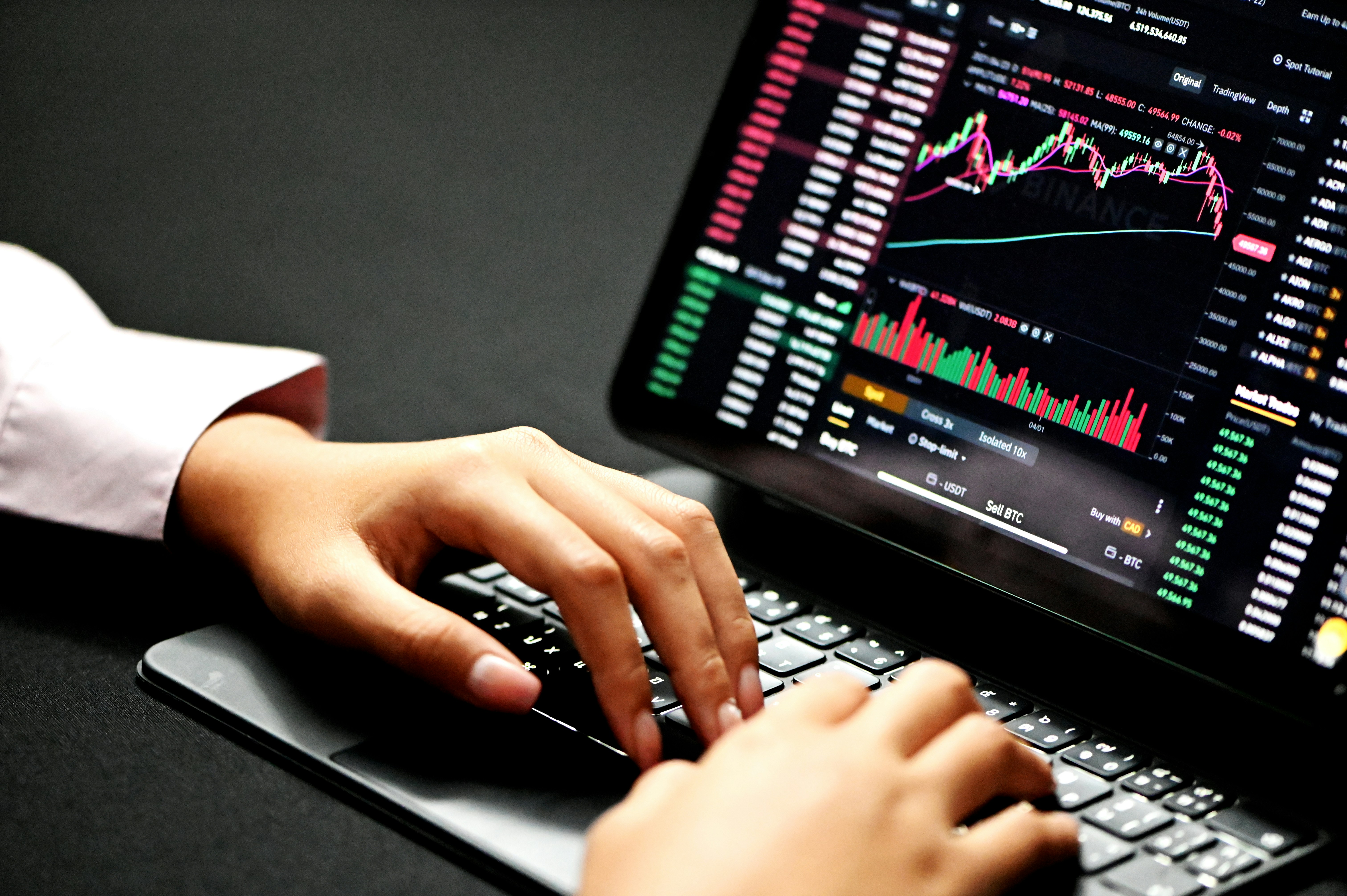
One of the major advantages of forex trading is the flexibility it offers in terms of remote work. Unlike traditional jobs that require you to be present at a specific location, forex trading allows you to trade from anywhere in the world as long as you have access to a computer and an internet connection. This means that you can work from the comfort of your own home, a coffee shop, or even while traveling. This flexibility allows you to create your own schedule and work at your own pace, making it an ideal choice for those who value freedom and independence in their work.
High Potential for Earnings
Forex trading also has a high potential for earnings. The forex market is the largest and most liquid financial market in the world, with trillions of dollars being traded daily. This large market volume creates ample opportunities for traders to profit from price fluctuations in currency pairs. While there is always a risk of losing money in forex trading, with the right knowledge, skills, and strategies, traders have the potential to make significant profits. The ability to earn a substantial income from forex trading attracts many individuals who are looking to increase their financial resources.
Market Accessibility
Another advantage of forex trading is its market accessibility. Unlike other financial markets that have limited trading hours, the forex market operates 24 hours a day, five days a week. This means that you can engage in trading activities at any time that suits you, regardless of your location or time zone. The accessibility of the forex market allows you to take advantage of trading opportunities as they arise, ensuring that you can always stay active in the market and make the most of potential profit-making opportunities.
Overview of the Gig Economy
Definition of the Gig Economy
The gig economy refers to a labor market characterized by the prevalence of short-term, freelance, or contract work, typically facilitated through online platforms. In this type of economy, individuals engage in “gigs,” which are temporary or project-based jobs, rather than traditional, long-term employment. The gig economy offers flexibility and independence to workers, allowing them to choose when and where they work, and often providing opportunities for multiple income streams.
Rise and Growth of the Gig Economy
The gig economy has seen a significant rise and growth in recent years, driven by technological advancements and changing attitudes towards work. The proliferation of online platforms and apps that connect freelancers with clients has made it easier than ever to engage in gig work. Additionally, the desire for flexibility, autonomy, and a more balanced work-life has led many individuals to seek freelance opportunities in various industries, including forex trading.
Benefits and Challenges of Gig Work
Gig work offers several benefits to individuals looking for flexible work arrangements. It allows you to be your own boss, set your own rates, and choose the projects you want to work on. Gig work also provides a way to diversify your income streams and potentially earn more than you would in a traditional job. However, it’s important to note that gig work comes with its own set of challenges. Freelancers often have to deal with irregular income, a lack of stability, and the responsibility of managing their own business affairs, such as taxes and client acquisition.
Combining Forex Trading and the Gig Economy
Flexible Income Source
Combining forex trading with the gig economy can provide you with a flexible income source. As a forex trader, you can take on trading gigs while also engaging in other freelance work. This flexibility allows you to diversify your income streams and have multiple sources of revenue. By having a mix of gig work and forex trading, you can adapt your income-generating activities to your current financial needs and priorities. This flexibility provides stability and security by not relying solely on one income stream.
Ability to Work Anywhere
One of the key advantages of both forex trading and the gig economy is the ability to work from anywhere. As a freelancer, you can work from any location that has an internet connection, allowing you to travel, relocate, or work from the comfort of your own home. Similarly, forex trading can be done from anywhere in the world as long as you have access to a computer and the internet. Combining both forex trading and gig work allows you the freedom to work from anywhere, giving you the opportunity to live a location-independent lifestyle.
Leveraging Skills and Expertise
Combining forex trading with gig work allows you to leverage your skills and expertise in the forex industry. As a freelance forex trading analyst, you can provide insights and analysis to other traders and investors, monetizing your knowledge and experience. You can also offer forex trading coaching and education services, helping others learn the ropes of forex trading and earn an income from your expertise. Additionally, you can utilize your skills in social media management to help forex traders build their online presence and attract clients. By combining your skills with gig work opportunities, you can maximize your earning potential in the forex trading industry.
Popular Gig Jobs in the Forex Trading Industry
Freelance Forex Trading Analyst
As a freelance forex trading analyst, you can provide market analysis, trading recommendations, and insights to traders and investors. You can offer your services through online platforms, social media, or your own website. By staying up-to-date with market trends and using your expertise, you can provide valuable information to individuals looking to make informed trading decisions. Freelance forex trading analysts have the freedom to choose their clients and set their own rates, making it an attractive gig job for those with knowledge and experience in the forex industry.
Forex Trading Coaching and Education
Forex trading coaching and education is another popular gig job in the forex trading industry. Many individuals who are new to forex trading are willing to pay for guidance and mentorship from experienced traders. As a freelance forex trading coach, you can offer one-on-one coaching sessions, online courses, webinars, or educational materials to help others learn how to trade forex successfully. By sharing your knowledge and strategies, you can not only help aspiring traders but also earn a significant income from your coaching services.
Social Media Management for Forex Traders
In the digital age, social media has become a powerful tool for businesses and individuals to connect with their target audience. As a freelance social media manager specifically catering to forex traders, you can help them build their brand, increase their online presence, and attract potential clients. Your responsibilities may include creating engaging content, managing social media accounts, implementing marketing strategies, and analyzing metrics to optimize performance. By combining your social media expertise with knowledge of the forex trading industry, you can offer a valuable service and earn income as a freelance social media manager.
Building a Successful Freelance Career in Forex Trading
Skills and Qualifications
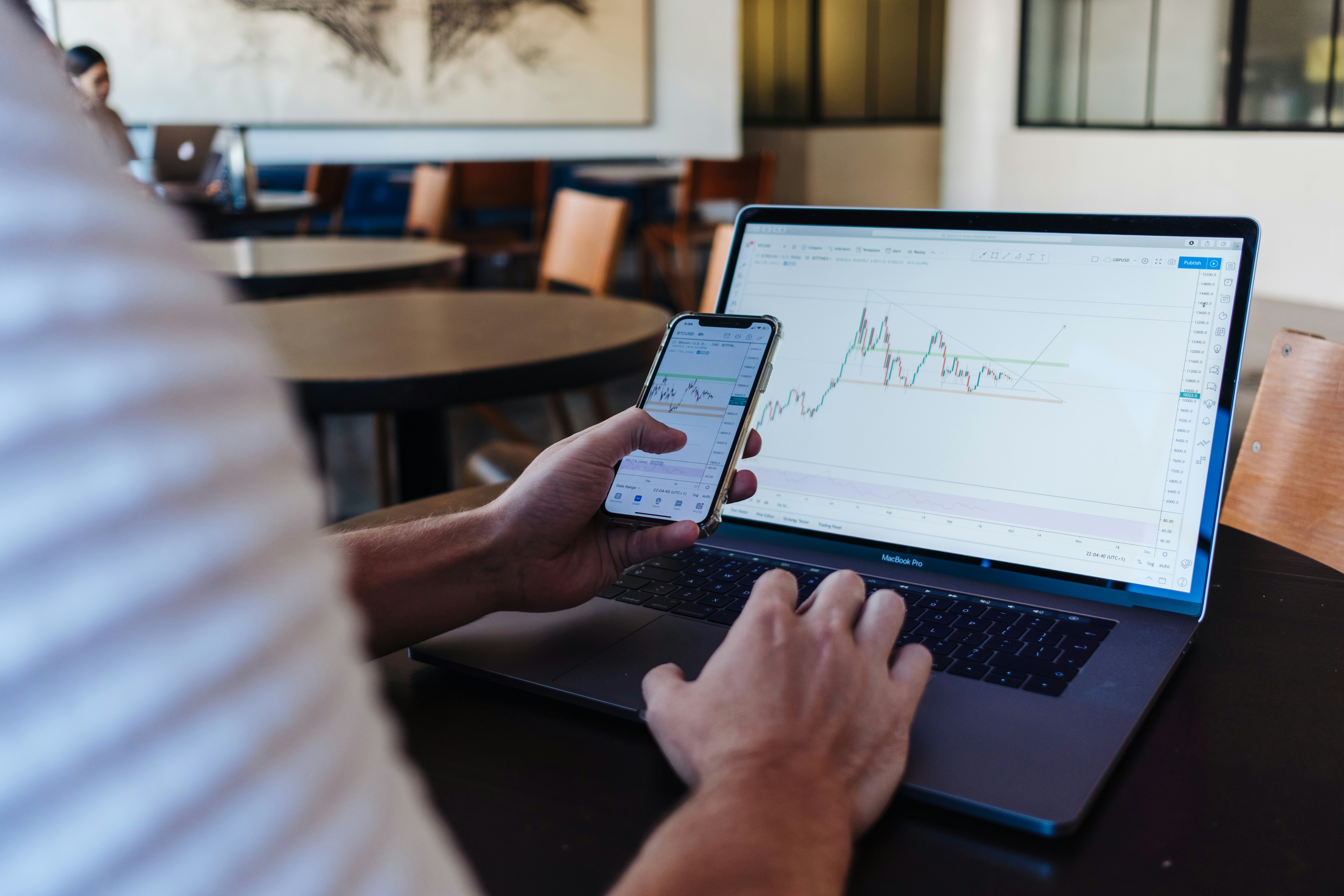
To build a successful freelance career in forex trading, it is essential to have the necessary skills and qualifications. A sound understanding of the forex market, technical analysis, fundamental analysis, and risk management is crucial. It is advisable to obtain relevant certifications or degrees related to finance, economics, or forex trading to enhance your credibility and expertise. Additionally, continuously learning and staying updated with market trends, trading strategies, and industry developments is essential for long-term success as a freelance forex trader.
Creating a Personal Brand
Creating a strong personal brand is vital for establishing yourself as a reputable freelance forex trader. This involves crafting a compelling online presence, owning a professional website or blog, and utilizing social media platforms to showcase your expertise and engage with potential clients. Consistently producing high-quality content, such as market analysis, trading insights, and educational resources, helps build trust and credibility in your brand. Networking with other traders, participating in online communities, and attending industry events further strengthen your personal brand and expand your professional network.
Networking and Client Acquisition
Networking and client acquisition play a crucial role in building a successful freelance career in forex trading. Actively engaging with other traders, attending industry conferences, and joining professional organizations can create opportunities for collaboration and partnerships. Additionally, leveraging social media platforms and online communities dedicated to forex trading allows you to connect with potential clients and showcase your expertise. Building personal relationships and a reputation for delivering high-quality work can lead to referrals and repeat business, facilitating the growth of your freelance career.
Risk Management in Forex Trading
Understanding Market Volatility
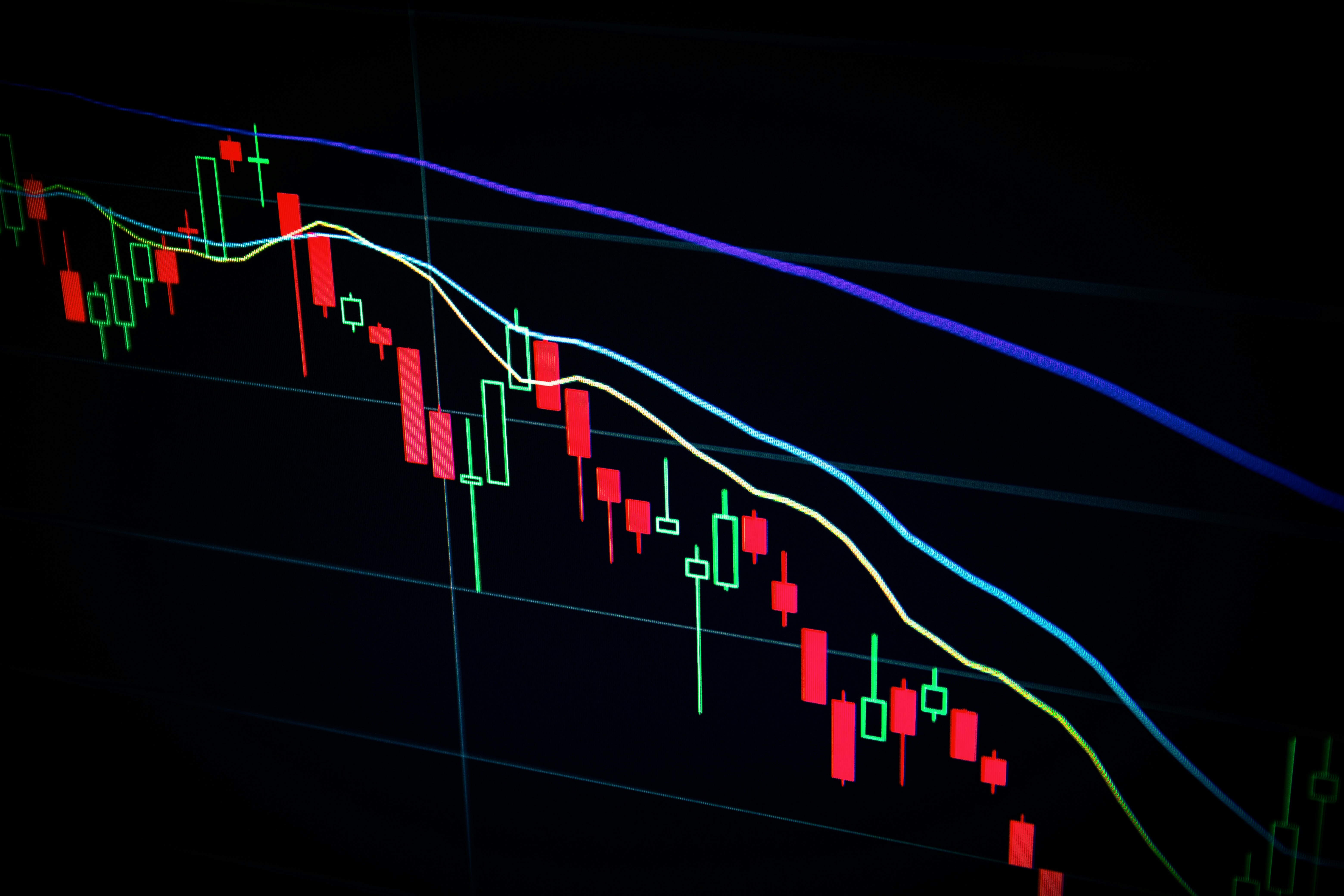
One of the fundamental aspects of risk management in forex trading is understanding market volatility. The forex market can experience rapid price fluctuations due to various factors, such as economic news, geopolitical events, or market sentiment. As a freelance forex trader, it is crucial to assess the potential risks associated with volatile market conditions and adjust your trading strategies accordingly. This may involve implementing risk mitigation techniques, such as setting stop-loss orders, diversifying your portfolio, or reducing leverage during periods of heightened volatility.
Setting Stop Loss Orders
Setting stop-loss orders is an effective risk management tool in forex trading. A stop-loss order is an instruction to automatically close a trade when the price reaches a predetermined level, limiting potential losses. By setting appropriate stop-loss levels based on your risk tolerance and trading strategy, you can protect your capital and minimize the impact of unfavorable market movements. It is essential to regularly review and adjust your stop-loss orders as market conditions change to ensure effective risk management.
Managing Leverage
Leverage is a double-edged sword in forex trading. While it can amplify potential profits, it also magnifies losses. Proper management of leverage is crucial for risk management as a freelance forex trader. It is important to understand the risks associated with high leverage and only use leverage that aligns with your risk tolerance and trading strategy. Implementing strict risk management measures, such as setting limits on leverage ratios and avoiding excessive leverage, can help prevent significant losses and preserve capital in the forex market.
Tips and Strategies for Forex Trading in the Gig Economy
Developing a Trading Plan
Developing a comprehensive trading plan is essential for successful forex trading in the gig economy. A trading plan outlines your trading goals, risk tolerance, preferred trading style, and strategies to be employed. It helps you stay disciplined, make informed trading decisions, and avoid impulsive actions driven by emotions. Additionally, a trading plan allows you to evaluate your performance over time, identify areas for improvement, and adapt your strategies as needed. Regularly reviewing and refining your trading plan enhances your trading skills and increases your chances of success.
Staying Updated with Market Trends
Staying updated with market trends and news is crucial for staying ahead in the forex trading industry. As a freelance forex trader, it is essential to continuously monitor economic indicators, geopolitical events, and global market developments that may impact currency prices. Utilize various resources, such as financial news websites, economic calendars, and trading platforms, to stay informed about market-moving events. By staying up-to-date, you can make informed trading decisions, identify potential opportunities, and adjust your strategies accordingly.
Utilizing Automated Trading Tools
In the gig economy, time management is crucial, and leveraging technology can help streamline your trading activities. Utilizing automated trading tools, such as expert advisors (EAs) or trading algorithms, can save time and improve efficiency in forex trading. EAs are programmed software that can execute trades based on pre-defined rules or algorithms. They can help identify trading opportunities, manage trades, and provide real-time analysis, allowing you to focus on other freelance work while still actively participating in the forex market. However, it is important to thoroughly test and evaluate any automated trading tools before using them in live trading to ensure they align with your trading goals and strategies.
Regulations and Legal Considerations
Compliance with Local Trading Laws
As a freelance forex trader, it is important to comply with local trading laws and regulations. Different countries have varying rules and requirements for individuals engaging in forex trading. It is crucial to educate yourself about the legal framework governing forex trading in your jurisdiction and ensure that you are operating within the boundaries of the law. This may involve obtaining necessary licenses, registering with the appropriate regulatory authorities, or adhering to specific reporting and disclosure requirements. By complying with local trading laws, you can mitigate legal risks and operate with confidence in the gig economy.
Tax Obligations for Freelance Forex Traders
Freelance forex traders are considered self-employed individuals and are responsible for fulfilling their tax obligations. Tax laws regarding forex trading income may vary depending on the country of residence. It is essential to consult with a tax professional or seek guidance from tax authorities to understand your specific tax obligations. This may include reporting your trading income, claiming deductions for business expenses, and paying taxes on your profits. Keeping accurate and organized records of your trading activities, including income and expenses, is crucial for proper tax compliance and avoiding potential penalties or legal issues.
Importance of Record-Keeping
Maintaining detailed and organized records is vital for freelance forex traders. Proper record-keeping allows you to accurately track your trading activities, monitor your performance, and fulfill your tax obligations. It is important to keep records of all your trades, including entry and exit points, trade sizes, profits and losses, and any accompanying documentation, such as trade confirmations or receipts. Additionally, documenting your expenses related to trading, such as software subscriptions, market data feeds, or educational materials, can help you claim deductions and manage your financials more effectively. Organized record-keeping ensures transparency, facilitates financial planning, and simplifies the process of analyzing your trading activities.

Resources for Learning Forex Trading
Online Courses and Webinars
There are numerous online courses and webinars available that cater to individuals interested in learning forex trading. These educational resources provide comprehensive learning materials, including video lessons, interactive quizzes, and practical exercises. Online courses and webinars are designed to accommodate different skill levels, from beginner to advanced, and cover various aspects of forex trading, such as technical analysis, fundamental analysis, risk management, and trading strategies. They often provide valuable insights and guidance from experienced traders and can help build a solid foundation for a freelance career in forex trading.
Trading Simulators and Demo Accounts
Trading simulators and demo accounts are valuable tools for practicing forex trading without the risk of losing real money. These platforms allow you to execute trades using virtual funds and simulate real market conditions. By utilizing trading simulators and demo accounts, you can test and refine your trading strategies, familiarize yourself with different trading platforms, and gain practical experience in a risk-free environment. This hands-on approach to learning helps build confidence and prepares you for live trading in the gig economy.
Forex Trading Communities and Forums
Engaging with forex trading communities and forums can provide valuable insights, support, and networking opportunities. These online communities bring together traders of all experience levels, allowing for the exchange of ideas, strategies, and market analysis. By participating in discussions, asking questions, and sharing your knowledge, you can enhance your understanding of the forex market and learn from other traders’ experiences. Forex trading communities and forums also provide a sense of camaraderie, allowing you to connect with like-minded individuals and potentially find mentorship or collaboration opportunities.
Conclusion
Combining forex trading with the gig economy offers individuals the opportunity to earn from anywhere and enjoy a flexible lifestyle. The advantages of forex trading, such as remote work flexibility, high earning potential, and market accessibility, make it an attractive option for those looking to venture into the gig economy. By leveraging skills and expertise, pursuing popular gig jobs in the forex trading industry, and adopting effective risk management strategies, freelance forex traders can build successful careers and enjoy endless opportunities for remote income. With a world of flexibility and the potential for financial independence, forex trading in the gig economy opens doors to a new era of earning from anywhere.
