


If you’re passionate about forex trading but find yourself on a shoestring budget, fear not! This article is here to provide you with valuable tips and advice on how to navigate the world of forex trading without breaking the bank. From cost-effective trading platforms to smart money management strategies, we’ve got you covered. So, whether you’re a beginner or an experienced investor looking to make the most of your limited funds, read on to discover how you can thrive as a frugal forex trader.
Understanding Forex Trading
Forex trading, or foreign exchange trading, refers to the buying and selling of currencies on the global market. It is the largest and most liquid financial market in the world, with an average daily trading volume of over $5 trillion. As an individual investor, you can participate in forex trading through online platforms that connect you to the market and allow you to trade currencies in real time.
How does Forex Trading Work?
In forex trading, currencies are always traded in pairs. When you trade forex, you are essentially betting on the exchange rate between two currencies. The first currency in the pair is the base currency, while the second currency is the quote currency. The price at which one currency can be exchanged for another is determined by various factors such as economic indicators, geopolitical events, and market sentiment. Traders aim to profit from fluctuations in exchange rates by buying a currency pair at a lower price and selling it at a higher price, or vice versa.
Benefits of Forex Trading
Forex trading offers several benefits for frugal investors. First and foremost, it provides high liquidity, which means that you can enter and exit trades quickly and at the desired price. The forex market is open 24 hours a day, five days a week, allowing you to trade at your convenience. Additionally, forex trading offers the potential for high leverage, which means you can control large positions with a relatively small amount of capital. This can amplify potential profits, but it’s important to use leverage wisely and manage your risks effectively.
Risks of Forex Trading
While forex trading can be highly profitable, it is not without risks. The forex market is volatile and can experience rapid and significant price movements. This volatility can lead to substantial gains, but it can also result in substantial losses. Furthermore, leverage, which is a double-edged sword, can amplify both profits and losses. It’s crucial to understand the risks involved in forex trading and to have a thorough risk management strategy in place to protect your capital.
Importance of Budgeting in Forex Trading
Budgeting is a crucial aspect of successful forex trading on a shoestring budget. It helps you keep track of your expenses, allocate funds appropriately, and avoid unnecessary risks. By setting a budget, you can determine how much capital you can allocate to forex trading without jeopardizing your financial stability.
Why is Budgeting Important?
Budgeting is important because it provides a framework for your trading activities. Without a budget, you may end up overtrading, risking more than you can afford to lose, or not allocating enough capital to take advantage of potential opportunities. By creating a budget, you can establish clear financial goals, manage your resources effectively, and minimize the chances of making impulsive and irrational trading decisions.
Setting Financial Goals
Before you start forex trading, it’s crucial to set realistic financial goals. This involves defining the amount of money you want to make from your trading activities and the timeframe in which you want to achieve those goals. Setting specific, measurable, achievable, relevant, and time-bound (SMART) goals can help you stay focused and motivated on your forex trading journey.
Creating a Realistic Budget
To create a realistic budget for forex trading, you need to consider your overall financial situation, risk tolerance, and trading strategy. Start by evaluating your income, expenses, and obligations to ensure that you have enough disposable income to allocate to trading. It’s important to prioritize your essential expenses and ensure that your forex trading capital is separate from your day-to-day funds. Additionally, factor in potential losses and unforeseen expenses when creating your budget to avoid any financial strain or stress.
Frugal Forex Trading Strategies
When trading forex on a shoestring budget, it’s crucial to adopt frugal strategies that allow you to minimize costs and maximize returns. By implementing the following frugal forex trading strategies, you can increase your chances of success without breaking the bank.
Research and Education
One of the most cost-effective strategies for frugal forex trading is investing time in research and education. There is a wealth of free educational materials available online, including articles, tutorials, webinars, and videos. Take advantage of these resources to learn about different trading strategies, technical and fundamental analysis, risk management techniques, and market trends. The more knowledge you acquire, the better equipped you will be to make informed trading decisions.
Demo Trading
Before risking your hard-earned money, it’s essential to practice your trading skills through demo trading. Many forex brokers offer demo accounts that allow you to trade with virtual money in real market conditions. This allows you to test different strategies, familiarize yourself with the trading platform, and gain practical experience without any financial risk. Take advantage of demo trading to refine your trading approach, develop confidence, and identify any weaknesses in your strategy.
Start with Small Investments
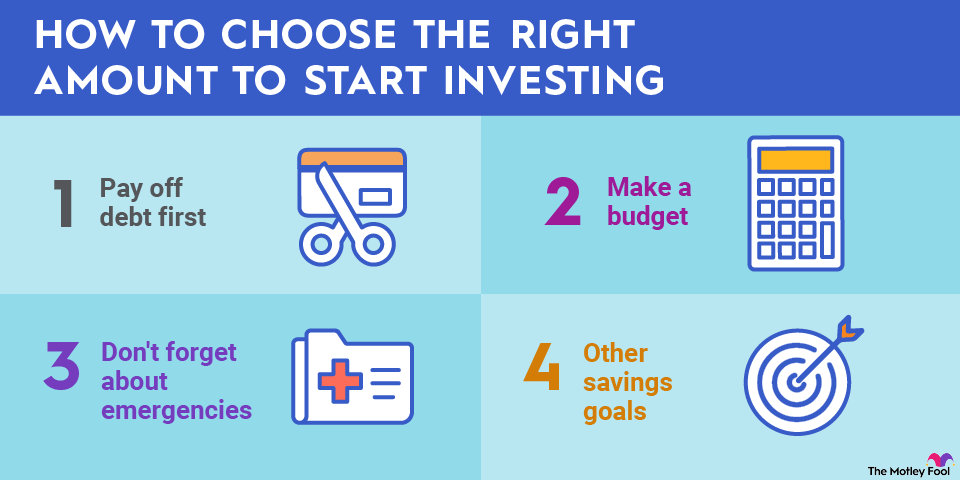
If you’re trading on a shoestring budget, it’s advisable to start with small investments. This allows you to get a feel for the market and gain experience without risking a significant amount of capital. As you improve your trading skills and build confidence, you can gradually increase your investment amount. Starting small also minimizes the potential impact of losses and allows you to recover more easily from any setbacks.
Use Leverage Wisely
Leverage can be a powerful tool in forex trading, but it should be used with caution. While leverage can amplify potential profits, it can also amplify losses. It’s important to understand the risks associated with leverage and to use it wisely. Avoid excessive leverage that could potentially wipe out your trading account. Consider your risk tolerance, trading strategy, and market conditions when deciding on the appropriate level of leverage to use.
Trade with Fewer Pairs
Trading multiple currency pairs can increase transaction costs and spread your focus thin. When trading on a shoestring budget, it’s recommended to focus on a few major currency pairs. Major currency pairs such as EUR/USD, USD/JPY, and GBP/USD tend to have high liquidity and tighter spreads, making them more cost-effective to trade. By specializing in a few currency pairs, you can gain a deeper understanding of their behavior and develop a more effective trading strategy.
Stick to Major and Liquid Currency Pairs
Liquidity is crucial in forex trading, especially when you’re trading on a shoestring budget. Major currency pairs are the most actively traded pairs and have higher liquidity compared to exotic or minor pairs. Higher liquidity means there are more buyers and sellers in the market, resulting in tighter spreads and more favorable trading conditions. Stick to major currency pairs to ensure that you can enter and exit trades smoothly and at competitive prices.
Utilize Stop-Loss Orders
Stop-loss orders are essential risk management tools in forex trading. They allow you to set a predetermined price at which your trade will be automatically closed if it moves against you. By utilizing stop-loss orders, you can limit your losses and protect your capital. When trading on a shoestring budget, it’s crucial to manage your risks effectively, and stop-loss orders play a key role in doing so.
Avoid Emotional Trading
Emotional trading can be detrimental to your trading success, especially when you’re operating on a shoestring budget. Making impulsive and irrational trading decisions based on fear, greed, or other emotions can lead to significant losses. It’s important to trade based on logic, analysis, and a well-defined trading plan. Following a disciplined approach and sticking to your strategy can help you avoid emotional trading and make more objective decisions.
Keep Trading Costs Low
When trading on a shoestring budget, it’s important to keep your trading costs low. Transaction costs, including spreads, commissions, and swap fees, can eat into your profits. Research different forex brokers to find those with competitive trading costs. Compare spreads, commissions, and overnight fees to ensure that you’re getting the best value for your money. By keeping trading costs low, you can maximize your potential returns and make your trading activities more cost-effective.
Finding Affordable Forex Trading Platforms
Finding a cost-effective forex trading platform is crucial for frugal investors. The platform you choose should offer competitive pricing, a user-friendly interface, and a wide range of trading tools and features. Here are some tips for finding an affordable forex trading platform on a shoestring budget.
Research Different Forex Brokers
Take the time to research different forex brokers and compare their offerings. Look for brokers that are regulated, reputable, and have a strong track record. Consider factors such as account types, trading platforms, available markets, and customer support. Read reviews and seek recommendations from experienced traders to ensure that you choose a broker that suits your needs and budget.
Compare Trading Costs
Compare trading costs across different forex brokers. Take into account spreads, commissions, overnight fees, and any other charges that may apply. Look for brokers that offer competitive pricing without compromising on the quality of their services. It’s important to strike the right balance between cost and value when choosing a forex broker.
Consider Account Types and Minimum Deposits
Some forex brokers offer different types of accounts with varying minimum deposit requirements. If you’re trading on a shoestring budget, look for brokers that offer mini or micro accounts with low minimum deposit requirements. These types of accounts allow you to start trading with a smaller amount of capital, making them more suitable for frugal investors.

Look for Low or No Commission Brokers
Commissions can significantly impact your trading costs, especially if you’re trading on a shoestring budget. Consider opting for brokers that offer low or no commission trading. Some brokers compensate for the absence of commissions with wider spreads, so be sure to compare overall trading costs when evaluating commission-free brokers.
Analyze Trading Tools and Features
A good forex trading platform should offer a wide range of trading tools and features to enhance your trading experience. Look for platforms that provide real-time market data, advanced charting capabilities, technical analysis tools, and risk management features. These tools can help you make informed trading decisions and improve your overall trading performance.
Check for Customer Support
Having access to reliable customer support is essential when trading forex. Look for brokers that offer responsive customer support via phone, email, or live chat. Test their customer support services and assess their responsiveness before opening an account. Prompt and helpful customer support can make a big difference, especially if you encounter any technical issues or have questions about your trading activities.
Money Management Techniques for Frugal Forex Traders
Effective money management is crucial for frugal forex traders. It involves implementing strategies that help you control risk, preserve capital, and optimize your trading performance. Here are some key money management techniques to consider.
Determine Risk Tolerance
Understanding your risk tolerance is essential when it comes to money management. Risk tolerance refers to the amount of risk you are willing and able to withstand. Different traders have different risk tolerance levels, and it’s important to align your trading strategy with your risk appetite. Determine a risk tolerance level that you are comfortable with and adjust your position sizes and stop-loss levels accordingly.
Set Realistic Profit and Loss Targets
Having realistic profit and loss targets is important for maintaining discipline and managing expectations. Identify your desired profit target for each trade and define your acceptable loss level. Setting specific targets helps you stay focused and avoid emotional decision-making. Remember that winning every trade is not realistic, and losses are a natural part of trading. By setting realistic profit and loss targets, you can better manage your trading activities and minimize the impact of losses.
Implement Proper Position Sizing
Proper position sizing is crucial for managing risk and preserving your capital. It involves determining the size of your trades based on your risk tolerance and the specific trade setup. As a general rule, it’s recommended to risk only a small percentage of your trading capital on each trade, typically around 1-2%. By implementing proper position sizing, you can avoid excessive risk and protect your capital from significant drawdowns.
Utilize Trailing Stops
Trailing stops are a useful tool for protecting profits and minimizing losses. A trailing stop is a stop-loss order that adjusts automatically as the price moves in your favor. It allows you to lock in profits and exit the trade if the price reverses and hits the trailing stop. By utilizing trailing stops, you can protect your gains and give your trades more room to run, while still managing your risk effectively.
Diversify Your Investments
Diversification is a key principle of risk management. It involves spreading your trading capital across different markets, currency pairs, or trading strategies. Diversification can help reduce the impact of individual losses and mitigate the overall risk in your portfolio. By diversifying your investments, you can potentially increase your chances of generating consistent returns and minimize the impact of market volatility.
Keep Track of Your Trades
Keeping a record of your trades is essential for analyzing your performance, identifying strengths and weaknesses, and making necessary adjustments to your trading strategy. Maintain a trading journal that includes details of each trade, such as entry and exit points, reasons for entering the trade, and the outcome. Regularly review your trading journal to gain insights into your trading activities and learn from your mistakes.
Review and Adjust Your Strategy
Forex markets are dynamic and constantly evolving. To stay ahead, it’s important to regularly review and adjust your trading strategy. Analyze your trading results, identify any patterns or trends, and make adjustments accordingly. Be open to adapting your strategy based on changing market conditions and insights gained from your trading experience.
Building a Trading Plan on a Shoestring Budget
A trading plan is a comprehensive document that outlines your trading goals, objectives, strategies, and risk management rules. It provides a roadmap for your trading activities and helps you make consistent and objective trading decisions. Here are the key steps to building a trading plan on a shoestring budget.
Define Your Trading Goals and Objectives
Start by defining your trading goals and objectives. What do you want to achieve from your forex trading activities? Are you looking to generate a consistent monthly income or aim for long-term capital growth? Be specific and realistic about your goals, and ensure they align with your overall financial objectives.
Choose a Trading Style
There are different trading styles, including day trading, swing trading, and position trading. Choose a trading style that suits your personality, time availability, and risk tolerance. Each trading style has its own advantages and disadvantages, so it’s important to select the one that aligns with your goals and resources.
Develop a Risk Management Strategy
Risk management is a critical component of any trading plan. Define your risk tolerance, determine your maximum acceptable loss per trade or per day, and establish your position sizing rules. Consider using stop-loss orders, trailing stops, and other risk management techniques to protect your capital and minimize losses.
Create a Trading Schedule
Creating a trading schedule helps you establish discipline and consistency in your trading activities. Define the specific times during which you will be actively trading and allocate sufficient time for market analysis, trade execution, and review. Stick to your trading schedule to maintain focus and avoid impulsive trading decisions.
Outline Entry and Exit Criteria
Clearly define your entry and exit criteria for each trade. Identify the technical indicators, chart patterns, or fundamental factors that will trigger your entry into a trade. Define your profit target as well as your stop-loss level. Having a well-defined entry and exit strategy helps you make objective trading decisions and minimize emotional bias.
Test and Refine Your Trading Plan
Once you have outlined your trading plan, it’s important to test it in a risk-free environment. Use a demo account or paper trading to simulate real market conditions and evaluate the performance of your trading plan. Make any necessary adjustments and refinements based on the results of your testing. Continuously monitor and update your trading plan as market conditions change and your trading experience evolves.
Utilizing Free and Low-Cost Resources for Forex Trading
There are numerous free and low-cost resources available that can enhance your forex trading experience. By utilizing these resources, you can access valuable educational materials, stay informed about market news and trends, and utilize powerful trading tools and indicators. Here are some of the resources you can take advantage of.
Free Educational Materials and Courses
The internet offers a wealth of free educational materials and courses that can help you enhance your forex trading knowledge. Websites, blogs, and forums dedicated to forex trading provide articles, tutorials, webinars, and videos covering a wide range of topics. Take advantage of these resources to learn about different trading strategies, technical analysis, fundamental analysis, risk management, and much more.
Financial News and Analysis Websites
Staying informed about market news and economic events is crucial for successful forex trading. Many financial news websites offer free and up-to-date information about currency markets, economic indicators, and geopolitical events. Stay updated with the latest news and analysis to make informed trading decisions and identify potential trading opportunities.
Technical Analysis Tools and Indicators
Charting platforms and software offer a wide range of technical analysis tools and indicators that can help you analyze market trends and make trading decisions. Many of these tools and indicators are available for free or at a low cost. Take advantage of these resources to enhance your technical analysis skills and improve your trading accuracy.
Forex Trading Forums and Communities
Joining forex trading forums and communities can provide valuable insights and support from experienced traders. These platforms allow you to interact with fellow traders, ask questions, share ideas, and learn from their experiences. Participating in forums and communities can help you expand your network, gain new perspectives, and stay motivated on your forex trading journey.
Demo Accounts and Simulators
Many forex brokers offer demo accounts or simulators that allow you to practice trading with virtual money. These platforms replicate real market conditions, allowing you to test different strategies and practice your trading skills without risking any real capital. Take advantage of demo accounts to gain practical experience, refine your trading approach, and build confidence before trading with real money.
Tips for Frugal Forex Trading Success
Achieving success in forex trading on a shoestring budget requires discipline, persistence, and effective money management. Here are some tips to help you succeed as a frugal forex trader.
Stay Disciplined and Patient
Discipline and patience are crucial traits for successful forex trading. Stick to your trading plan, follow your rules, and avoid impulsive trading decisions. Forex trading requires a long-term perspective, and it’s important to avoid chasing short-term gains. Be patient and wait for high-probability setups that align with your trading strategy.
Practice Consistency and Persistence
Consistency and persistence are key to developing your trading skills and achieving long-term profitability. Make trading a regular habit and commit to continuous learning and improvement. Consistently apply your trading strategy, review and learn from your trades, and make adjustments as needed. With persistence, dedication, and a frugal mindset, you can gradually build a successful trading career.
Manage Risk Effectively
Effective risk management is essential for frugal forex trading. Define your risk tolerance, use appropriate position sizing, and always have a stop-loss order in place. By managing your risks effectively, you can protect your capital and minimize the impact of losses. Remember that preserving your capital is crucial for long-term profitability.
Keep Learning and Adapting
Forex markets are constantly evolving, and it’s important to stay updated and adapt to changing market conditions. Continuously invest in your forex trading education, stay informed about market news and trends, and learn from experienced traders. Keep an open mind and be willing to adjust your trading strategy as needed. The more you learn and adapt, the better equipped you will be to navigate the forex market successfully.
Focus on Long-Term Profitability
Forex trading should be viewed as a long-term endeavor. Avoid chasing short-term gains or trying to get rich quick. Focus on building consistent profitability over time by following a well-defined trading plan and managing your risks effectively. Remember that forex trading is a marathon, not a sprint, and long-term success requires patience, discipline, and a frugal approach.
Avoid Overtrading
Overtrading is a common pitfall among novice traders. It refers to taking excessive trades, usually based on emotional impulse rather than a well-thought-out trading plan. Overtrading can lead to increased transaction costs, reduced focus, and poor decision-making. Avoid overtrading by sticking to your trading plan, being selective with your trades, and only entering positions that meet your predefined criteria.
Don’t Chase Losses
Chasing losses is a psychological trap that can lead to further losses and emotional distress. When a trade goes against you, it’s important to accept the loss and move on. Trying to recoup losses by taking impulsive trades or increasing position sizes can be dangerous and counterproductive. Stick to your risk management rules and avoid the temptation to chase losses.
Seek Professional Guidance if Needed
If you’re struggling to achieve consistent profitability or facing challenges in your forex trading journey, don’t hesitate to seek professional guidance. Experienced mentors or trading coaches can provide valuable insights, identify areas of improvement, and help you develop a more effective trading approach. Investing in professional guidance can be a worthwhile investment in your trading success.
Maintain a Positive Trading Mindset
Maintaining a positive mindset is crucial for frugal forex trading success. Forex trading can be mentally challenging, with ups and downs, wins and losses. Stay positive, focus on the process rather than the outcome, and learn from every trading experience. Embrace a growth mindset and view setbacks as learning opportunities. Through a positive mindset, you can navigate the challenges of forex trading more effectively and increase your chances of long-term success.
Potential Pitfalls of Forex Trading on a Shoestring Budget
While forex trading on a shoestring budget offers many opportunities, it’s important to be aware of the potential pitfalls. By understanding these risks, you can take appropriate measures to mitigate them and safeguard your trading capital.
Insufficient Capital
Trading with insufficient capital can limit your ability to withstand losses and take advantage of potential opportunities. It’s important to have adequate capital that allows you to trade comfortably without placing excessive pressure on your finances. Consider your financial situation and ensure that you have enough disposable income to allocate to forex trading.
Leverage Risks
Leverage can amplify both profits and losses. While it can provide an opportunity to control larger positions with a relatively small amount of capital, it can also lead to substantial losses if not used wisely. Avoid excessive leverage and carefully consider the level of leverage that is appropriate for your trading strategy and risk tolerance.
Market Volatility
The forex market is known for its volatility, which can result in rapid and significant price movements. While volatility can present lucrative trading opportunities, it can also increase the risk of substantial losses. Be prepared for market volatility and adjust your trading strategy accordingly. Implement risk management measures such as proper position sizing, stop-loss orders, and trailing stops to mitigate the impact of market volatility.
Lack of Experience
Lack of experience is a common pitfall for beginner traders. Forex trading requires knowledge, skill, and practical experience. It’s important to invest time in education, practice demo trading, and gradually build your experience before trading with real money. Don’t rush into live trading without a solid understanding of the markets and a well-tested trading strategy.
Inadequate Risk Management
Proper risk management is crucial for protecting your capital and preserving long-term profitability. Inadequate risk management can lead to excessive losses and potential account blowouts. Take the time to develop a risk management strategy that includes appropriate position sizing, stop-loss orders, and risk-reward ratios. Stick to your risk management rules and avoid taking unnecessary risks.
Unreliable Trading Platforms
Choosing an unreliable or poorly designed trading platform can result in costly delays, technical issues, and missed trading opportunities. Research different trading platforms, read reviews, and test them with demo accounts before committing real money. A reliable and user-friendly trading platform is essential for executing trades efficiently and maximizing your trading performance.
Failure to Adapt to Market Changes
Forex markets are constantly changing, and it’s important to adapt your trading strategies and approach accordingly. Failure to adapt to market changes can result in missed opportunities or taking trades that are no longer valid. Stay updated with market news, monitor market trends, and be flexible in adjusting your trading approach as needed.
Conclusion
Forex trading on a shoestring budget is not only possible but can also be highly rewarding. By implementing frugal forex trading strategies, utilizing available resources, prioritizing risk management, and building a comprehensive trading plan, you can increase your chances of success in the forex market. Remember to stay disciplined, stay informed, and stay focused on your long-term profitability. The road to forex trading success may have its challenges, but with the right mindset and approach, it’s a journey worth taking.