


Imagine being able to earn extra money from the comfort of your own home, using just your computer and your trading skills. That’s exactly what forex trading offers – the opportunity to generate supplemental income. Forex trading, also known as foreign exchange trading, involves buying and selling currencies in the global marketplace. With the potential for significant returns and the flexibility to trade anytime, anywhere, it’s no wonder that more and more people are turning to forex trading as a means to boost their income. In this article, we will explore how you can leverage forex trading as a reliable source of supplemental income, providing you with the financial freedom you desire.
Understanding Forex Trading
What is Forex Trading?
Forex trading, also known as foreign exchange trading, is the process of buying and selling currencies in the global marketplace. It is the largest and most liquid financial market in the world, with an average daily trading volume of over $5 trillion. Unlike other financial markets, such as the stock market, forex trading operates 24 hours a day, 5 days a week. It allows individuals, institutions, and even governments to speculate on the value of different currencies and profit from fluctuations in exchange rates.
How does Forex Trading work?
Forex trading involves the simultaneous buying of one currency and selling of another. Currencies are traded in pairs, such as EUR/USD (Euro/US Dollar) or GBP/JPY (British Pound/Japanese Yen). The value of a currency pair is determined by the exchange rate, which represents the amount of one currency needed to buy another. Traders aim to profit from changes in exchange rates by correctly predicting whether a currency will appreciate or depreciate against another. They can take long (buy) or short (sell) positions on a currency pair, with the expectation of making a profit from the price movement.
Key players in Forex Trading
The forex market is comprised of several key players, each with different roles and objectives. These include:
-
Banks and Financial Institutions: Banks are the primary participants in the forex market. They facilitate currency transactions for their clients, engage in proprietary trading, and provide liquidity to the market.
-
Central Banks: Central banks, such as the Federal Reserve (Fed) in the United States or the European Central Bank (ECB), play a crucial role in forex trading. They implement monetary policies to stabilize their domestic economies and may intervene in the market to influence exchange rates.
-
Corporations and Businesses: Companies involved in international trade often engage in forex trading to mitigate the risk of currency fluctuations. They exchange currencies to pay for imports, receive payments for exports, and hedge against exchange rate risks.
-
Retail Traders: Individual traders, like yourself, are called retail traders. They participate in the forex market through online trading platforms, seeking to profit from currency movements. Retail traders account for a significant portion of daily trading volume.
Getting Started in Forex Trading
Choosing a Forex Broker
Selecting a reliable forex broker is the first step towards getting started in forex trading. A forex broker acts as an intermediary, executing your trades and providing access to the forex market. When choosing a broker, consider factors such as regulation, reputation, trading platform, spreads, fees, customer support, and available trading tools and resources. Look for a broker that offers a user-friendly platform, competitive pricing, and a wide range of currency pairs to trade.
Opening a Forex Trading Account
Once you have chosen a forex broker, you will need to open a trading account. The account opening process usually involves providing personal information, completing the necessary documentation, and agreeing to the broker’s terms and conditions. Some brokers may require a minimum deposit to fund your account, while others may offer different account types with varying minimum deposit requirements. Choose an account type that aligns with your trading goals and risk tolerance.
Understanding Currency Pairs
In forex trading, currencies are quoted in pairs because every trade involves the simultaneous buying of one currency and selling of another. The first currency in the pair is the base currency, and the second currency is the quote currency. For example, in the EUR/USD currency pair, the Euro (EUR) is the base currency, and the US Dollar (USD) is the quote currency. Understanding the relationship between currency pairs and how exchange rates affect their values is essential for successful forex trading.
Learning Forex Trading Strategies
To become a successful forex trader, it is crucial to have a well-defined trading strategy. A trading strategy is a set of rules and techniques used to enter and exit trades, manage risk, and optimize profitability. There are numerous forex trading strategies, including trend-following strategies, breakout strategies, and mean reversion strategies. It is important to choose a strategy that suits your trading style and preferences. Additionally, continually learning and adapting your strategy as market conditions change is key to long-term success in forex trading.
Risk Management in Forex Trading
Setting Realistic Goals
Before diving into forex trading, it is essential to set realistic goals. Understand that forex trading is not a get-rich-quick scheme. It requires time, effort, and discipline to achieve consistent profitability. Set achievable goals for your trading journey, such as a target percentage return or a monthly income target. Setting realistic goals helps maintain focus, manage expectations, and reduce the likelihood of taking unnecessary risks.
Using Stop-Loss and Take-Profit Orders
Implementing risk management techniques is crucial in forex trading to protect your capital. One of the most common risk management tools is the use of stop-loss and take-profit orders. A stop-loss order allows you to set a predetermined level at which your trade will automatically close to limit potential losses. Similarly, a take-profit order enables you to set a target level at which your trade will automatically close to secure profits. By using these orders effectively, you can control potential losses and lock in gains, even if you are not actively monitoring the market.
Diversifying your Portfolio
Diversification is a risk management strategy that involves spreading your investments across different asset classes, markets, and currency pairs. By diversifying your portfolio, you can help reduce the impact of potential losses on any single trade or currency pair. Diversification allows you to take advantage of different market opportunities and helps balance your risk exposure. Consider trading a mix of major, minor, and exotic currency pairs to achieve a diversified portfolio.
Fundamental and Technical Analysis
Understanding Fundamental Analysis
Fundamental analysis involves analyzing economic, social, and political factors that influence the value of currencies. It includes studying economic indicators, central bank policies, interest rates, geopolitical events, and market sentiment. Fundamental analysis helps traders gain a deeper understanding of the forces driving currency movements and make more informed trading decisions based on economic fundamentals.
Using Economic Indicators
Economic indicators are key statistics and reports that reflect the health and performance of an economy. Some common economic indicators that forex traders closely monitor include Gross Domestic Product (GDP), inflation rates, employment data, consumer confidence, and interest rates. By staying updated on economic indicators, traders can anticipate market trends and potentially profit from the impact of economic news on currency prices.
Applying Technical Analysis Tools
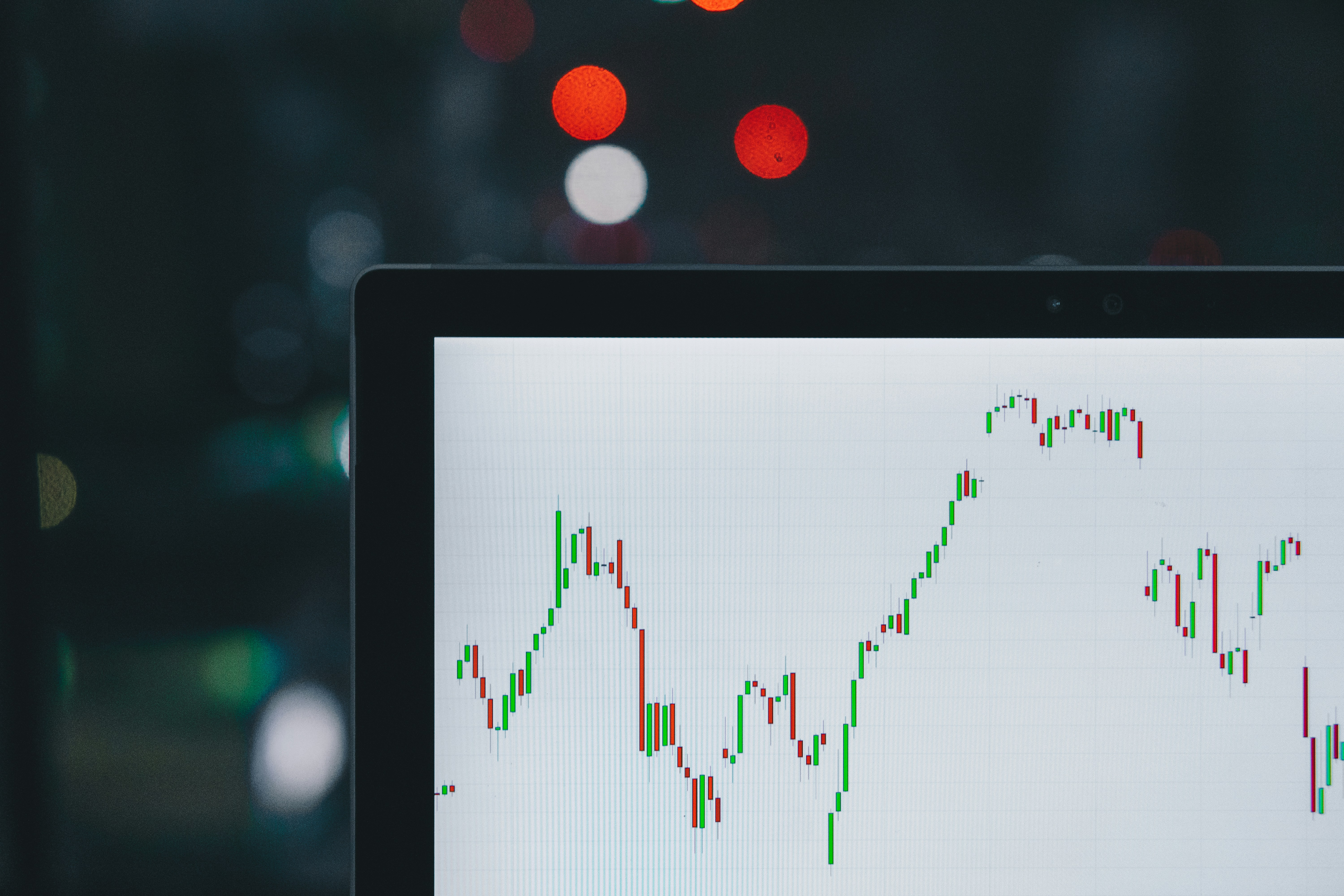
Technical analysis involves studying historical price patterns, trends, and indicators to predict future price movements. Traders use various tools and techniques, such as chart patterns, trendlines, moving averages, and oscillators, to analyze price data and identify potential entry and exit points. Technical analysis helps traders spot trends, support and resistance levels, and other patterns that can indicate market sentiment and guide trading decisions.

Implementing a Trading Plan
Setting Trading Objectives
Creating a trading plan is essential for consistent success in forex trading. A trading plan outlines your goals, trading strategy, risk management rules, and criteria for entering and exiting trades. It helps you maintain discipline, manage emotions, and avoid impulsive trading decisions. When setting trading objectives, consider factors such as desired profit targets, acceptable risk levels, time constraints, and trading style. Regularly review and update your trading plan to adapt to changing market conditions.
Identifying Entry and Exit Points
Identifying precise entry and exit points is a crucial aspect of successful forex trading. Entry points are levels at which you open a trade, while exit points are levels at which you close a trade. Traders often use technical analysis tools and indicators to identify potential entry and exit points. It is vital to define your rules for entering and exiting trades based on your trading strategy and risk tolerance.
Managing Emotions while Trading
Emotions can significantly impact trading decisions and result in irrational behavior. Greed, fear, and impatience can lead to overtrading, chasing losses, or prematurely closing profitable trades. Managing emotions is key to maintaining discipline and making rational trading decisions. Avoid excessive risk-taking, stick to your trading plan, and practice patience. Implementing mindfulness techniques, such as deep breathing and visualization, can also help manage emotions during trading.
Demo Trading and Backtesting
Practicing with Demo Accounts
Before trading with real money, it is highly recommended to practice forex trading using a demo account. A demo account allows you to trade in a simulated environment using virtual funds. It provides an opportunity to test your trading strategies, familiarize yourself with the trading platform, and gain practical experience without risking real capital. Use the demo account to practice executing trades, managing risk, and assessing the performance of your trading strategies.
Testing Strategies through Backtesting
Backtesting involves applying trading strategies to historical market data to evaluate their performance. By backtesting your strategies, you can assess their profitability, identify strengths and weaknesses, and make necessary adjustments. Use historical price data to simulate trades and analyze the outcome using predetermined criteria. Backtesting helps you refine and optimize your trading strategies before implementing them in real-market conditions.
Analyzing Performance Results
Regularly analyzing your trading performance is essential for ongoing improvement. Assess the outcome of your trades based on predefined criteria, such as profit/loss ratio, win rate, and risk-reward ratio. Keep track of your trading results to identify patterns, strengths, and weaknesses. Analyzing performance can help you fine-tune your trading strategies, make necessary adjustments, and improve your overall profitability.
Start Trading with Real Money
Determining Initial Investment
When transitioning from demo trading to real trading, it is essential to determine your initial investment amount. Consider factors such as risk tolerance, available capital, and profit expectations. Start with an amount that you are comfortable risking while still allowing for potential growth. Remember that forex trading involves a degree of risk, and only invest funds that you can afford to lose.
Choosing the Right Lot Size
A lot size refers to the volume of a trade and represents the number of currency units being traded. Choosing the right lot size is crucial for managing risk and preserving capital. Lot sizes can be standard (100,000 units), mini (10,000 units), or micro (1,000 units). A larger lot size implies a higher risk exposure. Determine an appropriate lot size based on your account size, risk tolerance, and trading strategy.
Keeping Track of Performance
As you start trading with real money, it is important to keep a close eye on your performance. Monitor your trades, track your profits and losses, and regularly review your trading results. Use tools provided by your broker or third-party platforms to analyze your performance metrics, such as average return per trade, win rate, and maximum drawdown. Keeping track of your performance helps you identify areas for improvement and make adjustments to your trading strategies.
Monitoring and Adapting
Monitoring Market Trends
Successful forex trading requires monitoring market trends and staying updated on economic and geopolitical developments that can impact currency prices. Stay informed about news, events, and economic indicators that can influence your trading decisions. Utilize reliable news sources, economic calendars, and market analysis tools to keep track of market trends and make informed trading decisions.
Adapting to Changing Conditions
The forex market is dynamic and constantly evolving. Market conditions can change rapidly, and strategies that were once successful may no longer be effective. It is crucial to adapt to changing market conditions by continually evaluating and adjusting your trading strategies. Stay flexible, learn from your experiences, and be open to adopting new techniques and tactics when needed.
Reviewing and Reflecting on Trades
Regularly reviewing and reflecting on your trades is an important part of the learning process in forex trading. Analyze your trades, identify patterns, and evaluate the reasoning behind your decision-making. Reflecting on both profitable and losing trades can provide valuable insights into your strengths, weaknesses, and areas for improvement. Use this knowledge to refine your trading strategies, adjust risk management techniques, and enhance your overall trading performance.

Continuous Learning and Improvement
Staying Updated on Market News
Forex trading is a constantly evolving field, and staying updated on market news is crucial for success. Stay informed about economic events, central bank announcements, geopolitical developments, and other factors that can impact currency prices. Regularly read financial news, follow reputable market analysts, and participate in online trading communities to stay up to date with the latest market trends and insights.
Learning from Successful Traders
Learning from experienced and successful traders can accelerate your learning curve and provide valuable insights into profitable trading strategies. Engage with professional traders, read trading books, watch educational videos, and attend webinars and seminars to gain knowledge and learn from their experiences. Emulate the strategies and techniques of successful traders while adapting them to suit your own trading style and preferences.
Keeping a Trading Journal
Keeping a trading journal is a powerful tool for self-improvement in forex trading. Documenting your trades, strategies, and emotions allows you to review and analyze your performance objectively. Note down the reasons for entering and exiting trades, your thoughts during the trade, and the outcome. Analyzing your journal can help you identify patterns, fine-tune your strategies, and improve your decision-making process over time.
Tax Implications and Legal Compliance
Understanding Tax Regulations
Forex trading may have tax implications depending on your jurisdiction. It is important to understand the tax regulations and requirements related to forex trading in your country. Consult with a tax advisor or seek guidance from your local tax authorities to ensure compliance with tax laws and reporting obligations.
Filing Forex Trading Income Taxes
If your forex trading activities generate taxable income, you will likely be required to report it on your annual income tax return. Keep detailed records of your trading activities, including profits, losses, and expenses, to accurately report your forex trading income. Consult with a tax professional or use specialized tax software to help you navigate the complexities of filing forex trading income taxes.
Adhering to Legal Requirements
Forex trading is subject to legal regulations and requirements that vary from country to country. Familiarize yourself with the legal framework and regulatory authorities governing forex trading in your jurisdiction. Ensure that you adhere to all legal requirements, including registration, licensing, and compliance with anti-money laundering and know-your-customer regulations. Trading with regulated brokers and understanding your rights and responsibilities as a trader is essential for a safe and compliant forex trading experience.
