


In this article, we will explore the question of how to adapt your trading strategy to effectively navigate the impact of currency devaluation or appreciation. Whether you are an experienced trader or just starting out, understanding the effects of changes in currency value can be crucial in making informed trading decisions. By honing in on key strategies and approaches, you can position yourself to not only weather the uncertainties of the forex market, but also potentially capitalize on these fluctuations. Let’s explore some practical tips and insights that can help you navigate this dynamic landscape and make the most of your trading endeavors.

Understanding Currency Devaluation and Appreciation
Currency devaluation and appreciation are key concepts in foreign exchange trading. Understanding these terms is crucial for navigating the dynamic world of currency markets.
Definition of Currency Devaluation
Currency devaluation refers to a deliberate decrease in the value of a country’s currency in relation to other currencies. This can occur due to a variety of reasons, such as economic instability, government intervention, or changes in monetary or fiscal policies. A devalued currency means that it takes more units of that currency to buy goods and services from other countries.
Definition of Currency Appreciation
On the other hand, currency appreciation is the opposite of devaluation. It involves an increase in the value of a currency relative to other currencies. Appreciation can occur when a country’s economy strengthens, there is increased demand for its exports, or when interest rates are raised. An appreciating currency makes imports more affordable, but it can make exports less competitive.
Factors Influencing Currency Devaluation or Appreciation
Several factors can influence currency devaluation or appreciation. These can include economic indicators, monetary policy decisions, political stability, trade balances, and market sentiment. Understanding these factors and their impact on currency movements is essential for traders looking to adapt their strategies.
Impact of Currency Devaluation or Appreciation on Trading
Currency devaluation or appreciation has significant effects on trading activities and can create both risks and opportunities for traders.
Effects of Currency Devaluation on Trading
When a currency is devalued, the cost of imported goods increases. This can lead to higher inflation rates, as the cost of production and raw materials also rises. Exporters, however, may benefit from a devalued currency, as their goods become more competitive on the international market. Traders should be aware of these potential effects and adapt their strategies accordingly.
Effects of Currency Appreciation on Trading
Currency appreciation can have the opposite effect on trading. It can make imports more affordable, leading to lower inflation rates. However, exporters may find their products less competitive in foreign markets, potentially harming their profitability. Traders need to understand these effects and adjust their trading strategies accordingly.
Managing Risks and Opportunities
To navigate the effects of currency devaluation or appreciation, traders should employ risk management techniques. This can include utilizing stop-loss orders, diversifying their portfolios, and implementing hedging strategies. By carefully managing risks and identifying opportunities, traders can minimize potential losses and maximize gains.
Adapting Trading Strategies in Response to Currency Devaluation
When faced with currency devaluation, traders can adapt their strategies to minimize risks and capitalize on opportunities.
Assessing Currency Devaluation Potential
To adapt to currency devaluation, it is crucial to assess the potential for devaluation accurately. This can involve carefully monitoring economic indicators, such as inflation rates, interest rates, and government policies. By staying informed and analyzing relevant data, traders can make informed decisions about their trading strategies.
Identifying Affected Currency Pairs
Currency devaluation can impact various currency pairs differently. Traders should identify currency pairs that are likely to be affected by devaluation and focus on those pairs in their trading strategies. This requires understanding the relationships between different currencies and the factors that influence their value.
Using Hedging Techniques
Hedging can be an effective strategy for managing risks associated with currency devaluation. By taking offsetting positions in different currency pairs, traders can protect their investments from potential losses due to devaluation. Options, futures, and forward contracts are commonly used hedging instruments.
Analyzing Fundamental Factors
To adapt trading strategies to currency devaluation, traders must analyze fundamental factors such as economic data, central bank policies, and political developments. This analysis helps identify potential trends and trading opportunities. By understanding the underlying fundamentals driving currency devaluation, traders can make more informed decisions.
Adjusting Risk Management
Devaluation can introduce increased volatility and risks into the currency market. In response, traders should adjust their risk management strategies. This can include tightening stop-loss levels, decreasing position sizes, or allocating a smaller percentage of their portfolio to currency trading. By implementing effective risk management techniques, traders can mitigate potential losses.
Adapting Trading Strategies in Response to Currency Appreciation
Currency appreciation requires a different approach to trading. Traders can adapt their strategies to navigate the effects of currency appreciation effectively.
Identifying Currency Appreciation Potential
To adapt to currency appreciation, traders must identify the potential for a currency to appreciate accurately. This involves evaluating economic indicators, such as GDP growth rates, interest rates, and export data. By staying informed about these factors, traders can anticipate potential currency appreciation and adjust their trading strategies accordingly.
Evaluating Currency Pairs for Trading
When currency appreciation occurs, certain currency pairs may become more favorable for trading. Traders should evaluate currency pairs that have the potential for appreciation and focus on those pairs in their trading strategies. This requires an understanding of the underlying factors influencing currency appreciation.
Utilizing Carry Trade Strategy
The carry trade strategy can be employed when a currency is expected to appreciate. In a carry trade, traders borrow in a low-interest-rate currency and invest in a higher-yielding currency. This strategy takes advantage of the interest rate differential and potential currency appreciation. However, traders should be cautious as carry trades also involve risks.
Monitoring Economic Indicators
To effectively navigate currency appreciation, traders must monitor economic indicators that could impact currency values. This includes factors such as inflation rates, interest rates, and trade balances. By keeping a close eye on these indicators, traders can make informed decisions and adjust their strategies accordingly.
Cautious Risk Management
Currency appreciation can introduce volatility and potential risks into the market. As such, traders should adopt cautious risk management techniques. This can include setting appropriate stop-loss levels, allocating capital efficiently, and diversifying their portfolios. By managing risks effectively, traders can mitigate potential losses.
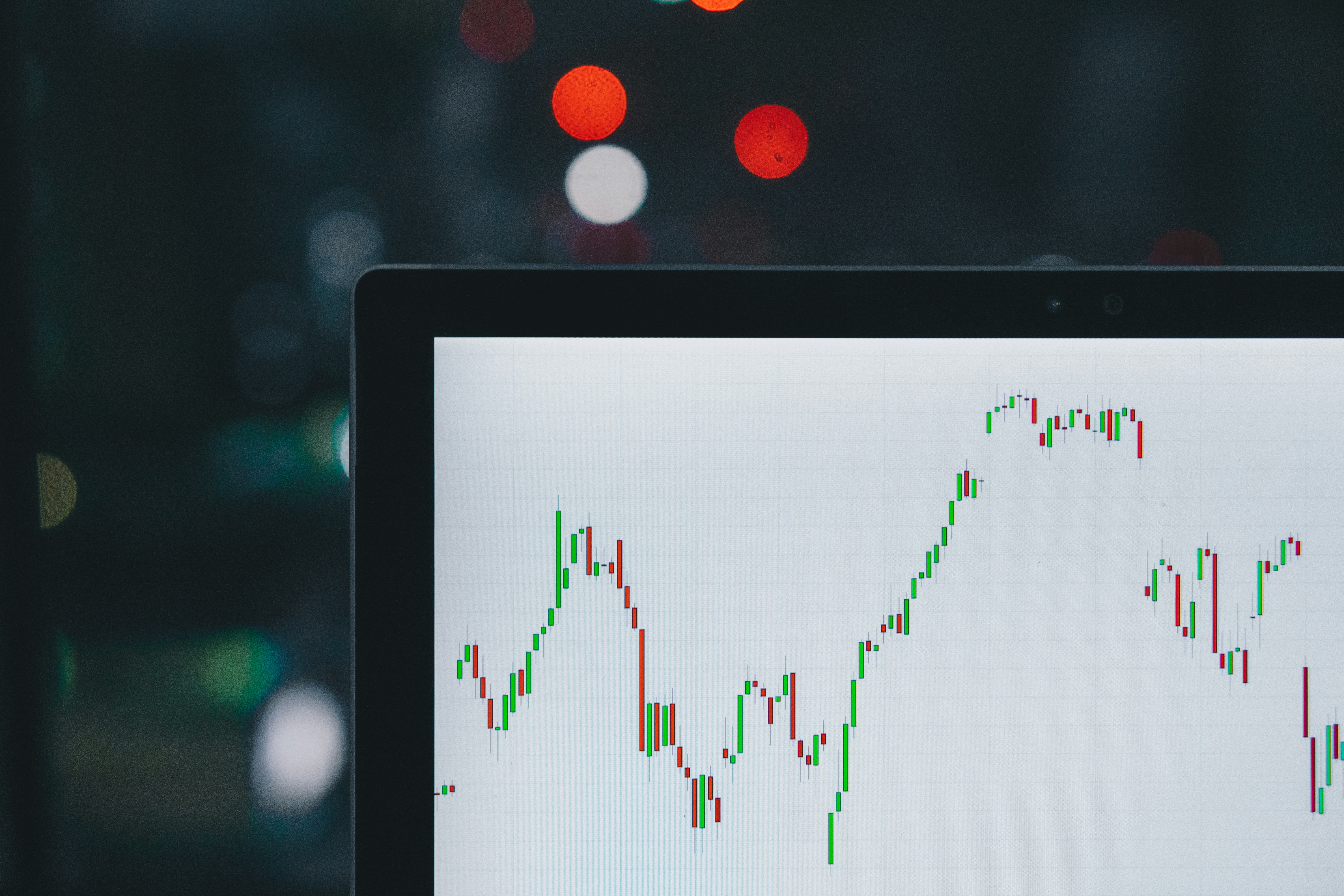
Technical Analysis Techniques for Currency Devaluation or Appreciation
Technical analysis is an essential tool for traders to analyze and forecast currency devaluation or appreciation. Various techniques can aid traders in adapting their strategies.
Using Trend Analysis
Trend analysis involves identifying and analyzing patterns in currency price movements. By understanding trends, traders can adapt their strategies to capitalize on potential currency devaluation or appreciation. Trendlines, chart patterns, and moving averages are commonly used tools in trend analysis.
Applying Support and Resistance Levels
Support and resistance levels are key technical analysis concepts for managing currency devaluation or appreciation. Support levels act as price floors, preventing further downward movement, while resistance levels act as price ceilings, preventing further upward movement. By identifying these levels, traders can make informed decisions about their trading strategies.
Using Moving Averages
Moving averages are useful indicators for analyzing currency devaluation or appreciation trends. By calculating the average price over a specified period, moving averages can reveal the direction of price movements. Traders can utilize moving averages to identify potential entry or exit points in their trading strategies.
Monitoring Momentum Indicators
Momentum indicators, such as the Relative Strength Index (RSI) or the Moving Average Convergence Divergence (MACD), can help traders identify overbought or oversold conditions in the market. These indicators can be valuable in adapting trading strategies to currency devaluation or appreciation, as they can indicate potential reversals or continuations in price movements.
Fundamental Analysis Techniques for Currency Devaluation or Appreciation
Fundamental analysis complements technical analysis in adapting trading strategies to currency devaluation or appreciation. Several techniques can aid traders in this process.
Analyzing Macroeconomic Data
Macroeconomic data, such as GDP growth rates, inflation rates, and employment figures, provides insights into a country’s economic health. Traders can analyze this data to gauge the potential for currency devaluation or appreciation and adjust their strategies accordingly.
Monitoring Central Bank Policies
Central bank policies play a crucial role in influencing currency values. Traders should closely monitor central bank decisions on interest rates, monetary stimulus, or intervention in the currency market. By staying informed about these policies, traders can anticipate potential currency devaluation or appreciation.
Evaluating Trade Balance
A country’s trade balance, which is the difference between exports and imports, can impact its currency value. Traders should assess the trade balances of countries whose currencies they are trading and adjust their strategies accordingly. A negative trade balance, known as a trade deficit, may put downward pressure on a currency’s value.
Assessing Economic Indicators
Various economic indicators, such as consumer confidence, business sentiment, or manufacturing data, can offer valuable insights into a country’s economic performance. By analyzing these indicators, traders can adapt their strategies to potential currency devaluation or appreciation.
Developing a Diversified Portfolio to Navigate Currency Fluctuations
To navigate currency fluctuations caused by devaluation or appreciation, traders should consider developing a diversified portfolio.
Selecting Multiple Currency Pairs
One way to navigate currency fluctuations is to select multiple currency pairs for trading. By diversifying across different currencies, traders can reduce their exposure to any single currency’s devaluation or appreciation. This helps spread the risks and opportunities across a broader range of currencies.
Applying Risk-Adjusted Investment
Another approach is to apply risk-adjusted investment techniques. This involves allocating capital to different currency pairs based on their risk profiles and potential returns. Traders can weigh the risks associated with potential devaluation or appreciation and adjust their portfolio accordingly to minimize losses.
Considering Non-Correlated Assets
Including non-correlated assets in a trading portfolio can also help navigate currency fluctuations. Non-correlated assets, such as commodities or stocks, may provide diversification benefits as they can have different price movements compared to currencies. By including these assets, traders can mitigate the impact of currency devaluation or appreciation on their overall portfolio.
Regular Portfolio Rebalancing
Maintaining a well-balanced portfolio is essential for navigating currency fluctuations. Regular portfolio rebalancing involves periodically adjusting capital allocations based on market movements and changing risks. By rebalancing, traders can adapt their portfolios to the effects of currency devaluation or appreciation, ensuring optimal risk management.
Adopting a Long-Term Investment Outlook
To effectively navigate the effects of currency devaluation or appreciation, traders should adopt a long-term investment outlook.
Recognizing Long-Term Currency Trends
Currency values can fluctuate in the short-term due to various factors. However, recognizing long-term currency trends is crucial for successful trading. By understanding the underlying factors driving these trends, traders can make informed decisions about their long-term trading strategies.
Investing in Emerging Markets
Investing in emerging markets can present opportunities for traders to benefit from currency appreciation. These markets often experience economic growth and increasing demand for their currencies. By carefully evaluating risks and potential rewards, traders can participate in the growth of emerging markets and adapt their strategies accordingly.
Considering Carry Trade Opportunities
Carry trade opportunities can be particularly attractive in the case of currency appreciation. Traders can take advantage of higher interest rates in a particular country by borrowing in a low-interest-rate currency and investing in the high-interest-rate currency. However, traders should assess the risks associated with this strategy and adapt their approach accordingly.
Mitigating Short-Term Volatility
While adopting a long-term investment outlook, traders must also be prepared to navigate short-term volatility. Currency markets can experience significant fluctuations due to economic or political events. Traders should use risk management techniques, such as stop-loss orders and proper position sizing, to mitigate potential losses during these volatile periods.

Monitoring Global Economic and Political Developments
Traders must stay aware of global economic and political developments to adapt their strategies to the effects of currency devaluation or appreciation.
Staying Informed about Geopolitical Events
Geopolitical events, such as elections, international conflicts, or trade disputes, can have a profound impact on currency values. Traders should stay informed about these events and assess their potential effects on currency markets. By staying ahead of geopolitical developments, traders can adjust their strategies accordingly.
Assessing Economic Stability
Economic stability is a critical factor in currency valuation. Traders should monitor economic indicators and assess the stability of countries whose currencies they are trading. By analyzing the overall economic health of a country, traders can better anticipate potential currency devaluation or appreciation.
Keeping Track of Monetary Policy Changes
Central bank decisions and interventions can significantly influence currency values. Traders should closely monitor any changes in monetary policies, such as interest rate adjustments or quantitative easing measures. By staying updated with these changes, traders can adapt their strategies to potential currency devaluation or appreciation.
Examining Trade Agreements and Tariffs
Trade agreements and tariffs can impact currency values, particularly for countries heavily reliant on exports. Traders should examine any changes in trade policies or agreements that could influence currency markets. By staying informed about these developments, traders can adjust their strategies accordingly.
Continuous Learning and Adaptation
In the currency trading market, learning is a constant process. To navigate the effects of currency devaluation or appreciation successfully, traders must continuously update their knowledge and adapt their strategies.
Staying Up-to-Date with Currency Market News
Staying informed about currency market news is vital for traders. By regularly following reputable sources, such as financial news websites or industry publications, traders can stay updated on relevant information. This includes economic indicators, central bank announcements, or political developments that could impact currency values.
Learning from Experienced Traders
Experienced traders can offer valuable insights and knowledge gained from their years of experience. Traders should actively seek opportunities to learn from and interact with these professionals. This can involve joining trading communities, attending trading seminars, or reading books written by successful traders. By learning from those who have navigated currency devaluation or appreciation, traders can improve their strategies.
Adapting Strategies to Changing Market Conditions
Currency markets are dynamic and subject to constant change. Traders should adapt their strategies as market conditions evolve. This can involve making adjustments to risk management techniques, modifying trading plans, or adopting new trading strategies altogether. By being flexible and adapting to changing market conditions, traders can navigate currency devaluation or appreciation more effectively.
Regularly Evaluating and Adjusting Trading Plan
Traders should regularly evaluate their trading plan to ensure it aligns with their goals and objectives. This includes reviewing performance, identifying areas for improvement, and adjusting strategies accordingly. By continuously assessing and refining their trading plan, traders can better adapt to the effects of currency devaluation or appreciation.
In conclusion, currency devaluation and appreciation significantly impact trading activities. By understanding these concepts and employing appropriate strategies, traders can navigate the effects of currency fluctuations successfully. Whether it is adapting to currency devaluation or currency appreciation, continuous learning, monitoring economic indicators, and adjusting risk management are essential for long-term success in the currency trading market.
