


Imagine having a diversified investment portfolio that not only safeguards your assets but also has the potential to yield substantial returns. That’s where forex trading comes in. By adding forex, or foreign exchange, trading to your investment strategy, you can tap into the vast global market and potentially benefit from currency fluctuations. In this article, we will explore how forex trading can fit into a diversified investment portfolio, highlighting its unique advantages and considerations. Get ready to discover the world of forex and how it can enhance your investment journey.
Understanding Forex Trading
Definition of Forex Trading
Forex trading, also known as foreign exchange trading, is the buying and selling of currencies in the global marketplace. It is a decentralized market where participants trade different currencies based on their expectations of future currency movements. In simple terms, forex trading involves exchanging one currency for another with the aim of making profits from the fluctuations in exchange rates.
Key Participants in Forex Trading
The key participants in forex trading include commercial banks, central banks, investment banks, hedge funds, multinational corporations, and individual traders. Commercial banks act as intermediaries by facilitating transactions and providing liquidity in the forex market. Central banks play a crucial role in setting interest rates and managing monetary policy, which can have a significant impact on currency values. Investment banks and hedge funds engage in speculative trading, aiming to profit from short-term price movements. Multinational corporations participate in forex trading to manage their foreign exchange exposure. Individual traders, like you, are also an important part of the forex market, trading currencies for profit or hedging purposes.
Major Currency Pairs in Forex Trading
Forex trading involves trading in currency pairs, where one currency is bought while another is sold. The most actively traded currency pairs in forex trading are called major currency pairs. These pairs include the US dollar as one of the currencies, such as EUR/USD, GBP/USD, USD/JPY, and USD/CHF. Major currency pairs offer high liquidity and tight spreads, making them popular among forex traders. Understanding and analyzing these major currency pairs is essential for successful forex trading.
Concept of Margin and Leverage in Forex Trading
Margin and leverage are important concepts in forex trading that allow traders to control larger positions with a relatively small amount of capital. Margin is the collateral required to open and maintain a position in the forex market. It acts as a good faith deposit and is typically expressed as a percentage of the full value of the position. Leverage, on the other hand, is the ratio of the amount of capital required to open a position to the actual amount of capital invested. It allows traders to amplify their potential profits, but it also increases the risk of losses. Proper understanding and careful management of margin and leverage are crucial in forex trading to minimize risks and maximize returns.
Factors Influencing Forex Market
The forex market is influenced by a wide range of factors that can impact currency values. Economic indicators such as GDP growth, inflation rates, interest rates, and employment data play a significant role in determining currency movements. Political and geopolitical events, such as elections, government policy changes, and international trade disputes, can also have a major impact on currency values. Market sentiment, investor risk appetite, and market liquidity are additional factors that influence the forex market. Understanding and analyzing these factors are essential for making informed trading decisions in the forex market.
Importance of Diversified Investment Portfolio
Definition of Diversification in Investment
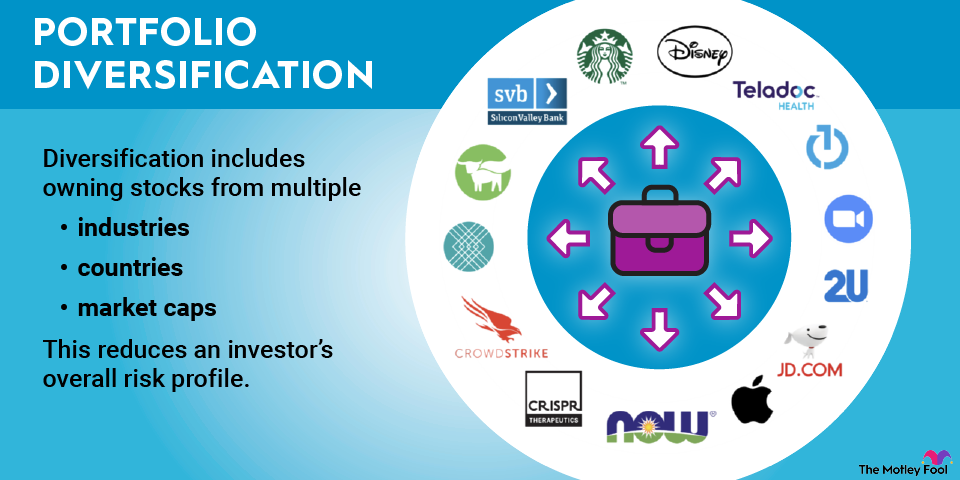
Diversification in investment refers to the strategy of spreading investments across different asset classes, industries, geographic regions, and investment styles to reduce risk and optimize returns. It is based on the principle that different assets perform differently under different market conditions. By diversifying their investment portfolio, investors can potentially minimize the impact of individual investment losses and maximize the potential for returns.
Benefits of Diversification
Diversification offers several benefits to investors. Firstly, it helps to reduce the overall risk of the portfolio. By spreading investments across different assets, the negative impact of a poorly performing investment can be offset by the positive performance of other investments. Secondly, diversification can provide a more stable and consistent return profile. By investing in assets with different risk levels and returns, investors can smooth out the volatility of their portfolio. Thirdly, diversification allows investors to take advantage of different market conditions. Certain assets may perform well during periods of economic growth, while others may perform well during times of economic uncertainty. By diversifying, investors can capture opportunities across different market environments.
Reducing Risk through Diversification
One of the main advantages of diversification is risk reduction. By investing in a variety of assets, investors can spread their risks and avoid being overly exposed to any single investment. For example, if an investor only holds stocks in a particular industry, they will be vulnerable to the performance of that industry. However, by diversifying their portfolio to include stocks from different industries, as well as bonds, real estate, and other asset classes, the investor can reduce the impact of any one investment on their overall portfolio. This helps to protect against the potential losses that can occur from a poorly performing investment.
Balancing Risk and Return
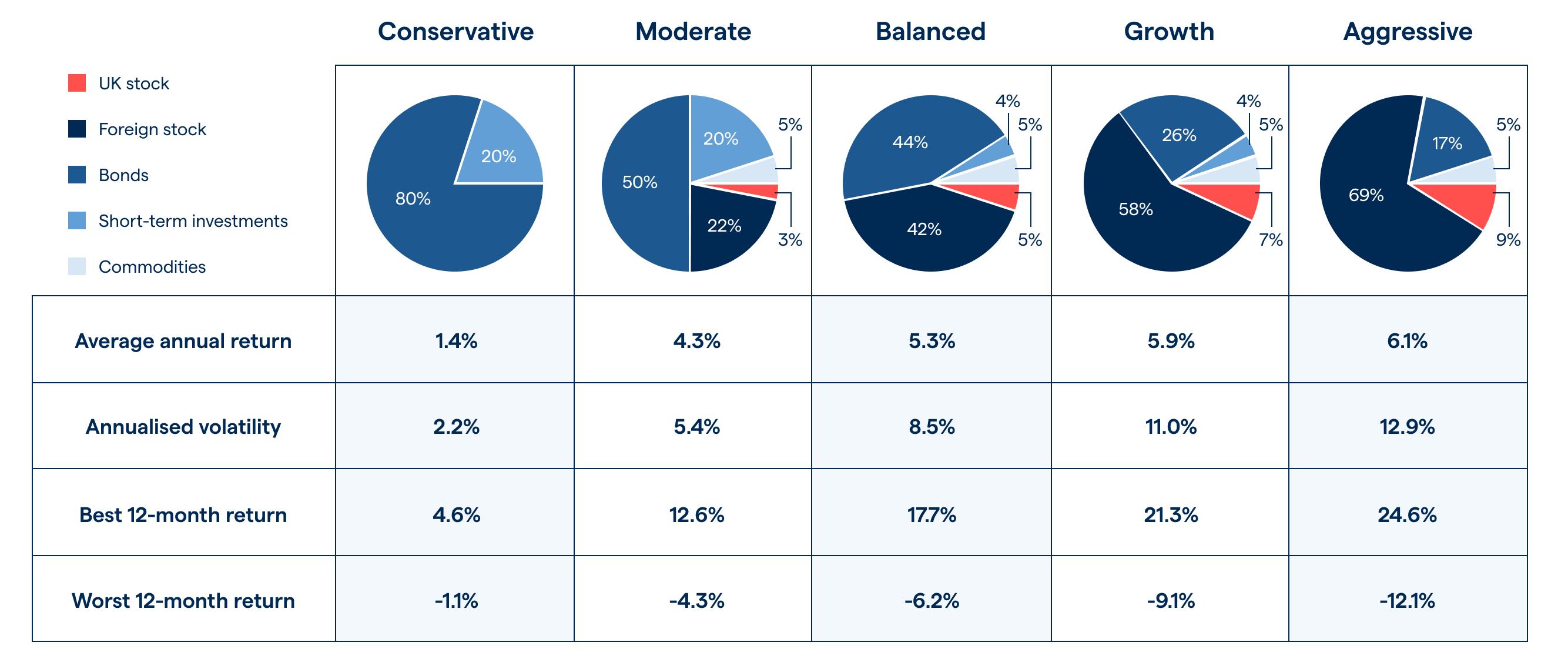
Diversification also allows investors to balance risk and return. Different assets have varying levels of risk and return potential. By diversifying across assets with different risk profiles, investors can seek an optimal level of risk and return for their portfolio. For example, while stocks have the potential for higher returns, they also come with higher levels of risk. By combining stocks with less risky assets such as bonds, investors can achieve a balance between risk and return that aligns with their investment goals and risk tolerance.
Forex Trading as a Diversification Strategy
Adding an Asset Class to the Portfolio
Introducing forex trading into a diversified investment portfolio can help to enhance diversification by adding a new asset class. While traditional asset classes such as stocks, bonds, and real estate have historically been the mainstay of investment portfolios, forex trading offers an alternative investment opportunity. By incorporating forex trading into the portfolio, investors can gain exposure to the currency market and potentially benefit from the unique characteristics and potential returns of forex trading.
Expanding the Investment Universe
By participating in forex trading, investors can expand their investment universe beyond traditional asset classes. The forex market is the largest and most liquid financial market globally, with a daily turnover of trillions of dollars. This vast market offers a wide range of currency pairs and trading opportunities, allowing investors to diversify their investment strategies and take advantage of currency movements around the world. By including forex trading in their investment portfolio, investors can tap into a new pool of opportunities that may not be available in other asset classes.
Enhancing Risk-Adjusted Returns
Forex trading can potentially enhance risk-adjusted returns in a diversified investment portfolio. Due to the high levels of liquidity and volatility in the forex market, there are opportunities to generate profits through skilled trading strategies. In addition, forex trading allows for the use of leverage, which can amplify potential returns. However, it is important to note that leverage also increases the risk of losses, and proper risk management strategies should be employed. By carefully managing risk and applying effective trading strategies, forex trading can contribute to enhanced risk-adjusted returns in a diversified investment portfolio.
Increased Liquidity and Flexibility
The forex market is known for its high liquidity, which means that positions can be easily entered and exited without significant slippage. This liquidity provides investors with greater flexibility in managing their forex trading positions, especially during fast-moving market conditions. The ability to quickly enter and exit positions ensures that investors can respond to market developments promptly and take advantage of trading opportunities. The liquidity and flexibility offered by forex trading can be valuable additions to a diversified investment portfolio, allowing investors to efficiently manage their investments and optimize returns.
Opportunity for Hedging
Forex trading also offers the opportunity for hedging in a diversified investment portfolio. Hedging involves taking offsetting positions in the forex market to protect against potential losses in other investments. For example, if an investor holds foreign investments denominated in a particular currency, they can hedge their currency risk by taking positions in the forex market to offset potential losses caused by currency fluctuations. Hedging can be an effective risk management tool in a diversified investment portfolio, helping to reduce the overall volatility and protect against unforeseen market events.
Risks and Considerations
Volatility and Currency Fluctuations
One of the main risks in forex trading is the volatility and unpredictability of currency fluctuations. Exchange rates can be influenced by a wide range of factors, including economic indicators, geopolitical events, and investor sentiment. These factors can cause currency values to fluctuate rapidly and significantly. The high volatility in the forex market can lead to both potential opportunities for profit and potential losses. It is important for forex traders to understand and manage the risks associated with currency fluctuations to protect their investments.
Currency Risk Management Strategies
To manage the risks associated with currency fluctuations, forex traders can employ various risk management strategies. One common strategy is to use stop-loss orders, which automatically close out a trading position if a certain predetermined price level is reached. This helps to limit potential losses by exiting the position before the loss becomes too significant. Another risk management strategy is to diversify currency holdings by trading multiple currency pairs. This reduces exposure to any single currency and spreads the risk across different currencies. Additionally, traders can use hedging techniques, such as taking offsetting positions in correlated currency pairs, to mitigate currency risk.
Impact of Geopolitical Events
Geopolitical events can have a significant impact on currency values and forex markets. Political developments, such as elections, changes in government policies, and international trade disputes, can create uncertainty and volatility in the forex market. These events can cause currency values to fluctuate rapidly and unpredictably. Forex traders need to stay informed about geopolitical developments and their potential impact on currency markets. By keeping up with the news and understanding the potential effects of geopolitical events, traders can make informed trading decisions and manage the risks associated with such events.
Market Timing and Technical Analysis
Timing the market is one of the biggest challenges in forex trading. The forex market operates 24 hours a day, five days a week, making it difficult to predict short-term price movements. Technical analysis is a common approach used by forex traders to forecast future price movements based on historical data and market trends. It involves studying charts, patterns, and indicators to identify potential entry and exit points. However, it is important to note that technical analysis is not foolproof and should be combined with other forms of analysis and risk management strategies. Successful forex traders develop their own strategies based on a combination of technical and fundamental analysis.
Understanding Margin and Leverage
Margin and leverage are important concepts in forex trading, but they also come with their own set of risks. Margin allows traders to enter into positions larger than their account balance by borrowing funds from their broker. Leverage amplifies potential profits, but it also amplifies potential losses. It is essential for forex traders to understand and manage margin and leverage effectively. Traders should set appropriate stop-loss levels and avoid over-leveraging, which can lead to significant losses. Risk management should be a priority when trading on margin and using leverage in order to protect investments.
Educational and Research Requirements
Forex trading requires a solid understanding of market dynamics, trading strategies, and risk management principles. It is essential for traders to continuously educate themselves and stay updated on market trends and developments. Successful forex traders invest time and effort in learning about various trading techniques, analyzing market data, and understanding economic indicators. It is also important to conduct thorough research and analysis before entering into any trading position. Accessing reputable educational resources, attending forex trading courses, and keeping up with market news and analysis can help traders stay informed and make better trading decisions.
Determining the Allocation
Identifying Risk Tolerance
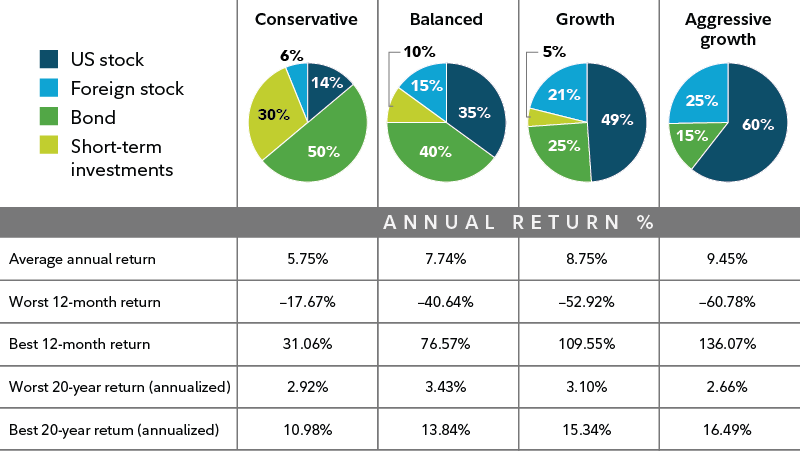
Before allocating funds to forex trading, it is important to assess and understand your risk tolerance. Risk tolerance refers to your ability and willingness to take on investment risks. It is influenced by factors such as your financial situation, investment goals, time horizon, and emotional resilience. Forex trading involves inherent risks, including the potential for significant losses. Investors with a high risk tolerance may be more willing to allocate a larger portion of their portfolio to forex trading, while those with a lower risk tolerance may prefer a smaller allocation. Understanding your risk tolerance is crucial in determining the appropriate allocation to forex trading.
Setting Investment Goals
Setting clear investment goals is essential when determining the allocation to forex trading. Investment goals can include capital preservation, income generation, wealth accumulation, or a combination of these objectives. Each goal may have different risk and return requirements. For example, if the primary goal is capital preservation, a conservative allocation to forex trading may be appropriate. On the other hand, if the goal is wealth accumulation, a more aggressive allocation may be suitable. By aligning the allocation to forex trading with your investment goals, you can effectively manage risk and optimize returns.
Portfolio Optimization Models
Portfolio optimization models can help in determining the appropriate allocation to forex trading. These models use mathematical algorithms to analyze historical data, forecast future returns, and identify the optimal allocation across different investment options. Portfolio optimization takes into account factors such as risk, return, correlation among assets, and diversification benefits. By using these models, investors can make informed decisions about the allocation to forex trading based on their risk preferences and investment goals. It is important to note that portfolio optimization models are tools that provide guidance and should be used in conjunction with sound judgment and individual circumstances.
Allocating Funds to Forex Trading
When allocating funds to forex trading, it is important to maintain a balanced and diversified investment portfolio. The allocation to forex trading should be considered within the context of the overall portfolio and other investment holdings. A common guideline is to allocate a portion of the portfolio to high-risk investments, such as forex trading, while also maintaining a portion in lower-risk investments, such as bonds or cash. The specific allocation will depend on individual risk tolerance, investment goals, and market conditions. Regular review and rebalancing of the portfolio are also important to ensure that the allocation to forex trading remains aligned with investment objectives.
Building a Forex Trading Strategy
Choosing the Trading Style
When building a forex trading strategy, it is important to choose a trading style that aligns with your personality, time availability, and risk tolerance. There are several trading styles to consider, including day trading, swing trading, position trading, and scalping. Day trading involves making frequent trades within a single day, while swing trading involves holding positions for a few days to a few weeks. Position trading involves holding positions for an extended period of time, usually several months or years. Scalping is a short-term trading style that aims to profit from small price movements. Each trading style has its own advantages and challenges, and it is important to select a style that suits your individual preferences and circumstances.
Technical vs Fundamental Analysis
Forex traders use different types of analysis to make informed trading decisions. Technical analysis involves studying charts, patterns, and indicators to predict future price movements. It focuses on historical price data and market trends. Fundamental analysis, on the other hand, involves analyzing economic data, news events, and other factors that may impact currency values. It aims to evaluate the intrinsic value of a currency and make trading decisions based on fundamental factors. Both types of analysis have their merits and limitations. Successful forex traders often utilize a combination of technical and fundamental analysis to gain a comprehensive understanding of the market and make well-informed trading decisions.
Risk Management in Forex Trading
Risk management is a crucial aspect of forex trading strategy. It involves implementing strategies to protect against potential losses and manage risk effectively. One common risk management technique is to set appropriate stop-loss orders. These orders automatically close out a trading position if a certain predetermined price level is reached, limiting potential losses. Another risk management practice is to diversify trading positions across different currency pairs and timeframes. This helps to reduce exposure to any single trade and spreads risk across different trades. Traders should also consider the appropriate use of leverage and set realistic profit targets and risk-reward ratios. By effectively managing risk, forex traders can protect their capital and enhance their long-term profitability.
Setting Entry and Exit Points
Setting entry and exit points is a critical part of a forex trading strategy. Entry points refer to the price level at which a trading position is initiated, while exit points determine when the position is closed, either to take profits or cut losses. Traders use various technical and fundamental indicators to identify entry and exit points. Technical indicators such as moving averages, support and resistance levels, and trend lines can help identify potential entry and exit points based on historical price patterns. Fundamental analysis can provide insights into factors that may influence currency values and help in setting entry and exit points. It is important to have clear and predefined criteria for entry and exit points to avoid making impulsive and emotional trading decisions.
Monitoring and Adjusting the Strategy
A forex trading strategy is not static and should be constantly monitored and adjusted based on market conditions and performance. Successful forex traders regularly review their strategies and adapt them to changing market dynamics. This involves monitoring currency pairs, analyzing trading results, and making necessary adjustments to optimize performance. Traders should keep track of their trades and analyze the profitability and risk-reward ratios of their strategy. If certain aspects of the strategy are not yielding the desired results, adjustments can be made. Regular evaluation and adjustment of the trading strategy are essential to ensure its effectiveness and adaptability to market changes.

Selecting a Forex Broker
Regulatory Compliance and Security
When selecting a forex broker, regulatory compliance and security should be top considerations. It is important to choose a broker that is regulated by reputable financial authorities. Regulatory oversight provides a level of protection for investors and ensures that brokers operate under stringent guidelines and standards. Research the regulatory bodies in your jurisdiction and verify the broker’s regulatory status. In addition, look for brokers that offer secure and encrypted platforms to protect your personal and financial information.
Trading Platform and Execution
The trading platform offered by a forex broker is a critical factor to consider. The platform should be user-friendly, intuitive, and equipped with essential features and tools for effective trading. It should provide real-time market data, charting capabilities, and order execution functionality. Traders should also assess the overall reliability and stability of the trading platform. Slow or unreliable platforms can negatively impact trading performance and result in missed opportunities or order execution delays. Demo accounts provided by brokers can be useful in testing the trading platform and evaluating its suitability for your trading needs.
Available Currency Pairs and Instruments
Different forex brokers offer varying selections of currency pairs and financial instruments. It is important to choose a broker that provides access to the currency pairs you are interested in trading. The major currency pairs are typically available with most brokers, but if you have specific currency pairs in mind, confirm their availability before opening an account. Additionally, consider whether the broker offers other financial instruments such as commodities, indices, or cryptocurrencies, if you have an interest in diversifying your trading opportunities.
Transaction Costs and Spreads
Transaction costs and spreads are important considerations when selecting a forex broker. Brokers typically generate revenue through spreads, which is the difference between the buy and sell price of a currency pair. Lower spreads can result in lower trading costs and higher profitability. Some brokers offer fixed spreads, while others provide variable spreads that may widen during volatile market conditions. It is important to understand the broker’s fee structure and compare spreads among different brokers to choose the option that aligns with your trading preferences.
Customer Support and Account Features
Good customer support and account features can greatly enhance the trading experience. Forex traders should look for brokers that offer responsive and accessible customer support. This can include live chat, email support, and telephone assistance. Moreover, consider additional features such as educational resources, market research tools, and trading analysis provided by the broker. These features can be valuable resources for enhancing trading knowledge and decision-making. Brokers that offer mobile trading apps can also provide flexibility for traders who prefer to monitor and execute trades on the go.
Monitoring and Rebalancing
Tracking Forex Performance
Once you have allocated funds to forex trading, it is important to regularly monitor the performance of your forex investments. Track the profitability of your trades, analyze the risk-reward ratios, and assess the overall performance of your forex trading strategy. This can be done by keeping a trading journal, where you record details of each trade, including entry and exit points, profit or loss, and the reasoning behind the trade. By tracking your performance, you can identify strengths and weaknesses in your strategy and make appropriate adjustments to improve your trading outcomes.
Evaluating the Impact on Portfolio
Monitoring the impact of forex trading on your investment portfolio is crucial to ensure that your overall investment goals are being met. Assess the performance of your entire portfolio, including assets allocated to forex trading and other investments. Analyze the correlation between forex returns and the overall portfolio returns to understand the diversification benefits. Periodically review the allocation to forex trading and the associated risks to determine whether any adjustments are needed. Evaluating the impact on the portfolio allows you to measure the effectiveness of forex trading as a diversification strategy and make informed decisions regarding the allocation of funds.
Rebalancing to Maintain Desired Allocation
Over time, the performance of different assets within your investment portfolio can result in imbalances in your desired asset allocation. Rebalancing involves adjusting the allocation of assets to maintain your desired risk and return profile. If the allocation to forex trading has deviated from your target due to changes in market conditions or performance, it may be necessary to rebalance the portfolio. This can be done by buying or selling currency positions to bring the allocation back in line with your desired target. Rebalancing ensures that your portfolio remains aligned with your investment objectives and helps to manage risk effectively.
Considering Tax Implications
Forex trading can have tax implications that need to be considered. Tax laws vary by jurisdiction, so it is important to consult with a tax professional or accountant to understand the specific tax rules and obligations related to forex trading in your country. The tax treatment of forex trading profits and losses, as well as any applicable reporting requirements, can vary depending on factors such as trading frequency, trading volume, and whether trading is considered as a business activity or an investment activity. By understanding the tax implications, you can ensure compliance with tax laws and properly account for any potential tax liabilities.
Long-Term vs Short-Term Forex Trading
Different Approaches and Objectives
Forex traders can adopt different approaches and have varying objectives when it comes to their trading activities. Some traders focus on short-term trading, seeking to profit from short-lived price movements and market inefficiencies. Short-term traders tend to have a higher frequency of trades and may hold positions for hours or days. On the other hand, long-term traders take a more patient approach, aiming to capture larger trends and capitalize on fundamental factors driving currency movements. Long-term trading can involve holding positions for weeks, months, or even years. The choice between long-term and short-term trading depends on an individual trader’s preferences, time availability, and risk tolerance.
Time Horizon and Trading Strategies
The time horizon of your forex trading activities determines the trading strategies you may employ. Short-term traders often rely on technical analysis and short-term chart patterns to identify profitable trading opportunities. They may use scalping or day trading strategies to exploit small price movements and fluctuations. In contrast, long-term traders focus on fundamental analysis and macroeconomic trends to make trading decisions. They may take positions based on long-term economic outlooks or geopolitical developments. The time horizon and trading strategies should be aligned with your investment goals, risk tolerance, and the amount of time you can dedicate to trading activities.
Taxation Differences
Taxation can differ between long-term and short-term forex trading. In some jurisdictions, short-term trading profits may be subject to higher tax rates compared to long-term capital gains. Short-term trading profits may be considered as ordinary income and taxed at the individual’s marginal tax rate, while long-term capital gains may enjoy preferential tax treatment. It is important to understand the tax regulations in your country and consult with a tax professional to ensure compliance and optimize your tax position. Proper tax planning can help minimize tax liabilities and enhance the after-tax returns from your forex trading activities.
Considerations for Income vs Capital Gains
The choice between focusing on generating income or capital gains from forex trading depends on your financial goals and preferences. Forex trading can be used to generate regular income through active trading, aiming to capitalize on short-term price movements and market inefficiencies. Income-focused traders may engage in higher frequency trading and aim for smaller, more frequent profits. On the other hand, traders aiming for capital gains may adopt a longer-term approach, taking positions based on macroeconomic trends and fundamental analysis. The emphasis is on capturing larger price movements over a longer time horizon. Consider your financial goals, risk tolerance, and time availability when deciding whether to focus on generating income or capital gains from forex trading.
Professional Guidance and Education
Consulting with Financial Advisor
Seeking professional guidance from a financial advisor can be valuable when incorporating forex trading into your investment portfolio. A financial advisor can help assess your investment goals, risk tolerance, and financial situation to determine the appropriate allocation to forex trading. They can provide personalized advice and help you stay on track with your investment strategy. A financial advisor can also provide insights into market trends, economic indicators, and risk management practices. Their expertise can help you navigate the complexities of the forex market and make well-informed investment decisions.
Forex Trading Courses and Educational Resources
Forex trading courses and educational resources can provide valuable knowledge and skills for aspiring forex traders. Such courses cover topics such as market analysis, trading strategies, risk management, and technical analysis. They can help you develop a solid foundation in forex trading and enhance your trading skills. Online educational resources, webinars, and seminars offered by reputable forex brokers and trading platforms can also be valuable sources of information and learning. Continuous learning and education are essential in the dynamic forex market to stay updated with new trading techniques and strategies.
Keeping up with Market Trends
Staying informed about market trends is a crucial aspect of successful forex trading. By keeping up with the latest news, economic indicators, and geopolitical developments, you can gain a better understanding of the market and make informed trading decisions. Stay updated with financial news, read reputable market analysis reports, and follow trusted sources of information. Numerous financial news websites and platforms provide real-time market data, analysis, and commentary. Moreover, consider joining trading communities, forums, or social media groups where traders share insights and experiences. By staying connected to the market, you can identify trading opportunities and adjust your strategy accordingly.
Continuous Learning and Skill Development
Forex trading requires continuous learning and skill development. The forex market is constantly evolving, and new trading techniques and strategies emerge over time. It is important to stay committed to continuous learning and education in order to adapt to changing market conditions and enhance trading performance. Attend webinars, workshops, and conferences related to forex trading to gain insights from industry experts. Engage in self-study and research, read books, and watch educational videos to expand your knowledge base. Practice and refine your trading skills through demo accounts and simulated trading environments. By continuously investing in your education and skill development, you can become a more proficient and successful forex trader.
In conclusion, understanding forex trading as a diversification strategy is crucial for investors looking to optimize their investment portfolio. Forex trading offers the potential to enhance diversification through the addition of a new asset class and access to a larger investment universe. By incorporating forex trading into an investment portfolio, investors can potentially achieve enhanced risk-adjusted returns, increased liquidity, and flexibility. However, it is vital to consider the risks and to have a well-defined strategy, risk management plan, and proper education to navigate the complexities of the forex market. With careful consideration and the right approach, forex trading can be a valuable component of a diversified investment portfolio.
