


In the complex world of currency markets, the impact of news and economic data cannot be underestimated. The constant flow of information, from political developments to economic indicators, has a profound effect on the value of currencies. Each announcement, report, or headline can trigger fluctuations and trends that directly influence exchange rates and trading decisions. Understanding how news and economic data impact currency markets is essential for investors and traders seeking to navigate these dynamic and ever-changing financial landscapes. In this article, we will explore the various ways in which news and economic data shape currency markets and shed light on the critical role they play in the world of international finance. So, let’s dig in and uncover the fascinating relationship between news, economic data, and currency markets.
The Impact of News on Currency Markets
News releases play a significant role in shaping the movements of currency markets. As a currency trader, it is essential to understand how news can impact volatility, liquidity, and market sentiment. By closely monitoring news and economic data, you can make informed trading decisions and maximize your gains in the currency market.
News Releases and Currency Market Reaction
News releases can lead to substantial currency market reactions, especially if they contain unexpected information. Currency traders closely watch news releases such as economic indicators, interest rates, inflation data, and central bank announcements. These events can significantly influence currency valuations and trigger sudden market movements.
For example, if a country’s GDP growth rate exceeds expectations, the currency may strengthen as it signifies a robust economy. Conversely, negative news, such as high unemployment rates or political instability, can weaken a currency. By staying updated with news releases, you can anticipate market reactions and adjust your trading strategies accordingly.
Effect of News on Volatility and Liquidity in Currency Markets
News has a direct impact on market volatility and liquidity, which can present both opportunities and risks for currency traders. Major news releases, especially those with high market importance, tend to increase volatility as market participants react to new information. Increased volatility can lead to larger price swings, providing traders with opportunities for profit if they correctly predict the direction of the market.
However, high volatility can also lead to increased risk and potential losses. During periods of high volatility, price movements can be fast and unpredictable, making it essential to employ proper risk management techniques. Additionally, news events can also lead to temporary illiquidity in the market, as traders may hesitate to execute trades until they have analyzed the implications of the news release.
Role of News in Shaping Market Sentiment
News plays a crucial role in shaping market sentiment, which refers to the overall attitude and perception of market participants towards a particular currency. Positive news, such as strong economic data or favorable political developments, can create a positive market sentiment, leading to increased demand for the currency.
Conversely, negative news can generate a pessimistic market sentiment and result in a decrease in demand for the currency. Market sentiment influences currency valuations and can lead to long-term trends in the market. As a currency trader, it is important to pay attention to market sentiment and adjust your trading strategies accordingly.
Economic Data Releases and Currency Market Response
Understanding the impact of key economic indicators, interest rates, and inflation data on currency markets is vital for successful currency trading. Economic data releases provide valuable insights into the health of an economy, and their market impact can be significant.
Key Economic Indicators and Their Impact on Currency Markets
There are several key economic indicators that currency traders closely monitor to gauge the health of an economy. Some of the essential economic indicators include GDP growth rate, employment data, retail sales, and consumer sentiment. Positive economic indicators often lead to a strengthening of the currency as they reflect a robust economy.
For example, if employment data shows a significant increase in new job creations, it indicates a healthy labor market and can lead to a rise in the currency’s value. On the other hand, negative economic indicators can weaken a currency, as they suggest a struggling economy and potential challenges ahead.
Interest Rates and Currency Market Dynamics
Interest rates have a profound impact on currency market dynamics. Central banks use interest rates as a tool to control inflation and stimulate or cool down the economy. When a country’s central bank increases interest rates, it attracts foreign investors seeking higher yields, leading to an appreciation of the currency.
Conversely, when a central bank lowers interest rates, it can stimulate borrowing and spending, but may also lead to a depreciation of the currency. Interest rate differentials between countries can also influence currency exchange rates, as higher interest rates generally attract more capital inflows and strengthen the currency.
Inflation Data and Currency Market Reactions
Inflation data is closely monitored by currency traders as it provides insights into the purchasing power of a currency. Higher inflation can erode the value of a currency as it reduces the amount of goods and services that can be purchased with the same amount of money.
When inflation data exceeds expectations, it can lead to expectations of future interest rate hikes, which can strengthen the currency. Conversely, if inflation is lower than anticipated, it may signal a potential economic slowdown and lead to a depreciation of the currency.

Interpreting News and Data for Currency Trading
Interpreting news and economic data is a crucial skill for currency traders. By using technical and fundamental analysis, traders can evaluate the implications of news releases and make informed trading decisions.
Technical Analysis and News Trading Strategies
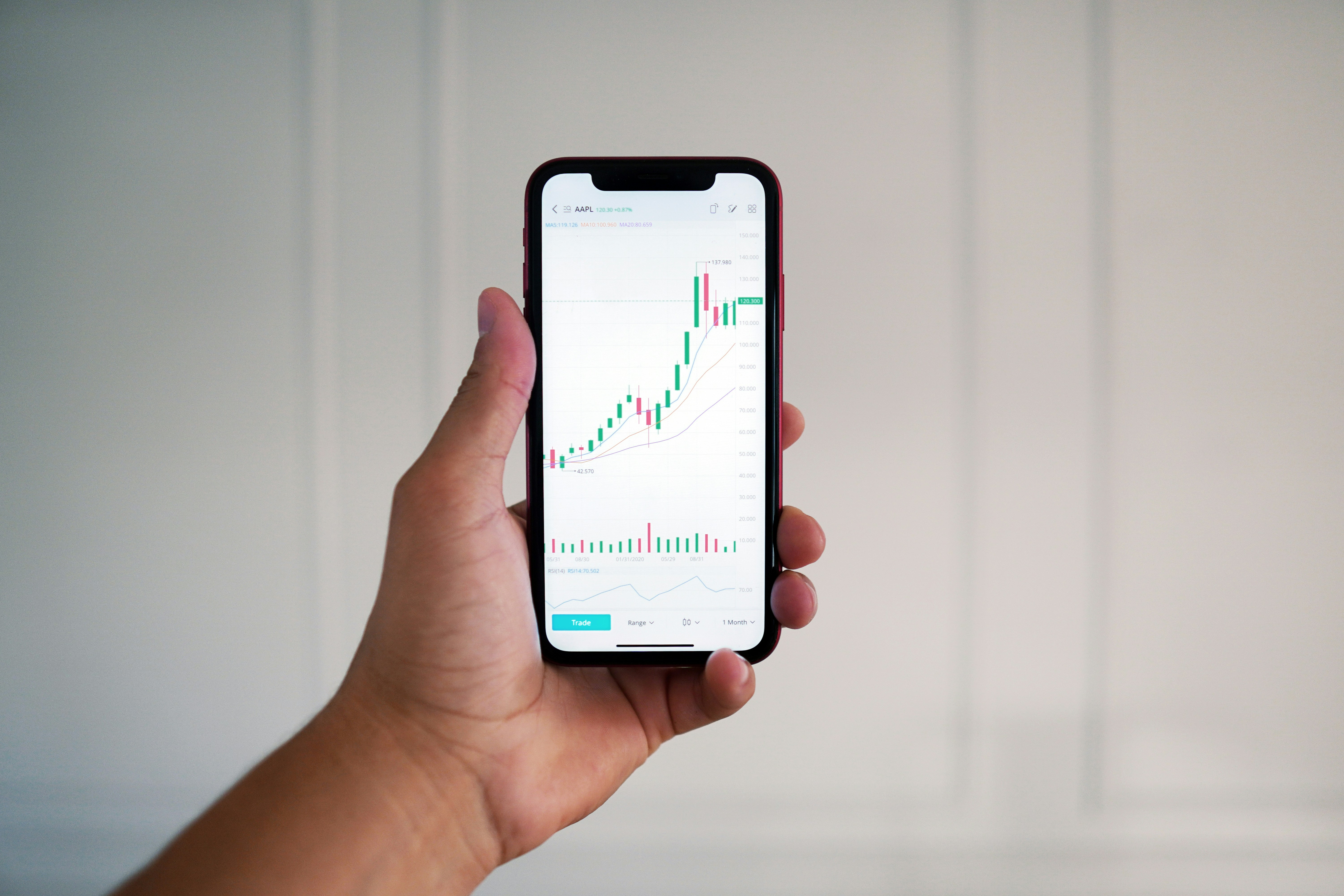
Technical analysis involves analyzing historical price charts and using various technical indicators to identify patterns and trends. Traders who use technical analysis often incorporate news events into their trading strategies. For example, a trader may wait for a news release to cause a breakout above a significant resistance level before entering a long position on a currency pair.
By combining technical analysis with news trading strategies, traders can capitalize on short-term price movements triggered by news releases. It is important to note that relying solely on technical analysis may overlook fundamental factors that could influence the currency market.
Fundamental Analysis and Economic Data Evaluation
Fundamental analysis involves evaluating the intrinsic value of a currency by analyzing economic, political, and social factors. Economic data releases form a critical part of fundamental analysis as they provide valuable insights into the overall health of an economy.
Traders using fundamental analysis study economic indicators and assess their impact on a currency’s value. For example, if GDP growth exceeds expectations, it may suggest a strong economy and lead to appreciation of the currency. However, if a country faces political instability or economic challenges, it may negatively impact the currency’s value.
Using News and Data as Trading Signals
News and economic data can serve as trading signals for currency traders. When a news release or economic indicator deviates significantly from expectations, it can signal a potential opportunity. Traders can use these signals to enter or exit positions, depending on their interpretation of the news and data.
For example, if unemployment data is better than expected, it can signal a robust labor market and potential strengthening of the currency. Traders may consider entering a long position on the currency pair. However, it is essential to conduct thorough analysis and consider multiple factors before making trading decisions based solely on news and data signals.
News and Data Releases in Major Currency Markets
Different currency markets experience different news and data releases that can impact their respective currencies. It is crucial to understand the key news and economic indicators in major currency markets to effectively trade these currencies.
News Releases in the US Dollar Market
The US dollar is influenced by a range of news releases and economic indicators. Some key releases to monitor include non-farm payroll data, GDP growth rate, inflation rate, interest rate decisions by the Federal Reserve, and statements from key policymakers. These releases can greatly impact the value of the US dollar and create significant trading opportunities.
Impact of News and Data in the Euro Market
The Euro market is heavily influenced by news and data releases from major Eurozone economies such as Germany, France, and Italy. Key releases include Eurozone GDP growth rate, consumer price index (CPI), unemployment rate, and interest rate decisions by the European Central Bank (ECB). Traders closely watch these releases to gauge the strength of the Eurozone economy and potential moves in the Euro currency.
News and Economic Data in the Japanese Yen Market
The Japanese Yen market is particularly sensitive to economic data releases from Japan and global market sentiment. Key releases include Japan’s GDP growth rate, inflation data, interest rate decisions by the Bank of Japan (BOJ), and announcements from the Japanese government. Traders carefully analyze these releases to understand the state of the Japanese economy and anticipate moves in the Yen market.
Currency Market Reactions to Political and Geopolitical News
Political and geopolitical news can have a profound impact on currency markets. Elections, trade wars, and geopolitical events can create significant volatility and influence the value of currencies.
Election Results and Currency Volatility
Elections can lead to heightened volatility in currency markets, as the outcome can have profound implications for economic policies. Traders closely monitor election results and anticipate the potential impact on economic stability and market sentiment. For example, if a pro-business candidate wins an election, it can lead to increased market confidence and strengthen the currency.
However, if election results introduce market uncertainty or political instability, it can lead to sharp currency movements. Currency traders need to stay updated on election news and be prepared for potential market reactions.
Trade Wars and Currency Value
Trade wars between countries can significantly impact currency values. When countries impose tariffs or trade restrictions on each other, it can lead to reduced trade volumes, economic uncertainty, and currency depreciation. Traders actively monitor developments related to trade wars as they can create opportunities for profit if they correctly predict the impact on currency values.
For example, if a country imposes tariffs on imports, the currency may weaken as it could lead to decreased export demand and potential economic slowdown. By closely following trade war news and evaluating its potential impact, traders can make informed trading decisions.
Geopolitical Events and Safe-Haven Currencies
Geopolitical events such as wars, natural disasters, or terrorist attacks can create significant market uncertainty and influence currency movements. During times of uncertainty, investors often seek the safety of safe-haven currencies such as the US dollar, Swiss franc, or Japanese yen.
Traders monitor geopolitical news and evaluate its potential impact on market sentiment. If an event raises concerns about global stability, safe-haven currencies may strengthen as investors seek refuge. By understanding the relationship between geopolitical events and currency movements, traders can adjust their strategies accordingly.
Central Bank Announcements and Currency Markets
Central bank announcements and monetary policy decisions play a crucial role in currency markets. Traders closely monitor these announcements and evaluate their potential impact on currency valuations.
Monetary Policy Decisions and Their Market Impact
Central banks make decisions on interest rates, money supply, and other monetary policy tools to control inflation and stimulate economic growth. When central banks change interest rates, it can have a significant impact on currency values. Traders analyze central bank announcements to gain insights into future interest rate movements and adjust their trading strategies accordingly.
For example, if a central bank signals a dovish stance, indicating potential interest rate cuts, it can lead to a depreciation of the currency. Conversely, a hawkish stance, suggesting potential interest rate hikes, can strengthen the currency.
Forward Guidance and Expectations for Currency Movements
Forward guidance refers to the communication provided by central banks regarding their future monetary policy decisions. Central banks often provide guidance on interest rate direction and economic indicators they consider when making policy decisions.
Traders closely analyze forward guidance to anticipate future currency movements. If a central bank provides a clear indication of future interest rate hikes, it can strengthen the currency as traders adjust their positions accordingly. However, if forward guidance suggests potential interest rate cuts, it can lead to a depreciation of the currency.
Quantitative Easing and Currency Depreciation
Quantitative easing (QE) is a monetary policy tool used by central banks to stimulate economic growth. During QE, central banks purchase government bonds or other securities from the market, injecting liquidity into the economy. This increase in money supply can lead to currency depreciation.
Traders monitor central bank QE programs and their potential impact on the currency market. If a central bank announces an expansion of its QE program, it can weaken the currency as the increased money supply reduces its value.
Market Sentiment and Risk Appetite
Market sentiment and risk appetite can have a significant impact on currency markets. Traders closely monitor news and economic data to gauge the overall sentiment and risk appetite of market participants.
Impact of News and Data on Market Participant Sentiment
Positive news and strong economic data can create a positive market sentiment, leading to increased risk appetite. When market participants are optimistic about the economic outlook, they may invest more aggressively and seek riskier investments, potentially leading to the depreciation of safe-haven currencies.
Conversely, negative news and weak economic data can create a negative market sentiment, leading to decreased risk appetite. In times of market uncertainty, investors may seek the safety of safe-haven currencies, leading to their appreciation.
Safe-Haven Currencies in Times of Market Uncertainty
Safe-haven currencies, such as the US dollar, Swiss franc, and Japanese yen, tend to appreciate during times of market uncertainty. These currencies are considered less risky and are sought after by investors seeking to protect their investments during turbulent times.
Traders closely monitor market sentiment and assess the level of uncertainty to adjust their trading strategies accordingly. If market uncertainty is high, it may be prudent to allocate a portion of your portfolio to safe-haven currencies.
Stock Market Performance and Currency Movements
Stock market performance can have an indirect impact on currency movements. Positive stock market performance can indicate strong economic conditions and investor confidence, potentially leading to the appreciation of the currency.
Conversely, if stock markets experience significant declines, it may reflect economic uncertainty and decrease the value of the currency. Traders often analyze stock market performance in conjunction with other economic indicators to gain insights into potential currency movements.
News Analysis Services for Currency Traders
Access to real-time news and data sources is essential for currency traders. Numerous news analysis services provide up-to-date information and analysis to help traders make informed trading decisions.
Access to Real-Time News and Data Sources
Real-time news and data sources provide currency traders with the information they need to stay updated on market developments. These sources include financial news websites, economic data releases from government agencies, and real-time news feeds provided by trading platforms.
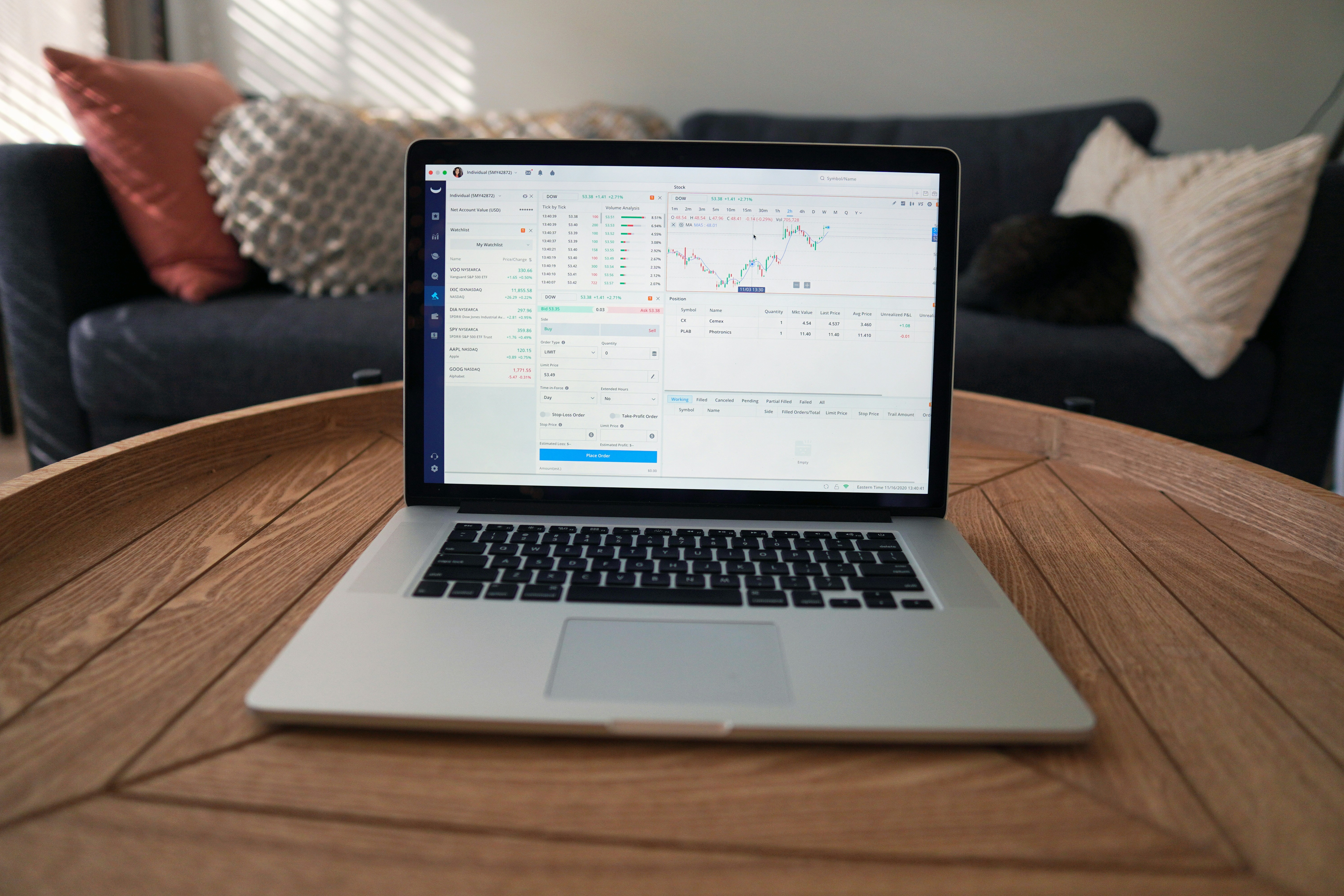
Currency traders often utilize news terminals, which provide real-time news feeds, economic calendar updates, and analysis tools. Access to real-time news and data sources allows traders to react quickly to market-moving events and make timely trading decisions.
News Aggregators and Analysis Platforms
News aggregators and analysis platforms bring together news and analysis from various sources into a single platform. These platforms offer comprehensive coverage of news and economic data releases, allowing traders to efficiently access relevant information.
Some platforms also provide advanced analysis tools, sentiment indicators, and technical analysis features. By utilizing news aggregators and analysis platforms, traders can stay organized, save time, and make well-informed trading decisions.
Role of News Analysis in Trading Decision-Making
News analysis plays a crucial role in trading decision-making. By analyzing news and economic data, traders can identify potential market opportunities, gauge market sentiment, and assess risks.
Currency traders rely on news analysis to stay updated on major fundamental factors that can influence currency markets. News analysis helps traders understand the underlying factors driving currency movements and make informed decisions based on this information.

Long-Term Effects of News and Economic Data
News and economic data can have both short-term and long-term effects on currency markets. Understanding the long-term impacts of news and economic data is essential for developing successful trading strategies.
News and Data Trends in Currency Markets
News and economic data create trends in currency markets that can persist for extended periods. Positive economic indicators and favorable news can lead to sustained currency appreciation, while negative news and economic data can result in prolonged currency depreciation.
Traders monitor news and economic data trends to identify long-term trading opportunities. By understanding the underlying trends, traders can develop strategies that align with the direction of the market.
Long-Term Currency Market Reactions to News
Major news events can have lasting effects on currency markets. For example, political changes, such as Brexit or changes in trade agreements, can result in prolonged currency volatility and shifting market dynamics.
Traders analyze long-term currency market reactions to news events to anticipate potential opportunities and risks. By understanding how markets have reacted to similar events in the past, traders can make more informed decisions about their trading strategies.
News and Data as Drivers of Currency Trends
News and economic data are significant drivers of currency trends. Positive economic data and favorable news can create sustained currency appreciation, while negative news and economic indicators can lead to prolonged currency depreciation.
Traders analyze news and economic data to identify the underlying drivers of currency trends and establish trading positions. By staying updated on news and data, traders can effectively anticipate and capitalize on currency trends.
Managing Risks and Strategies in News-Driven Currency Trading
News-driven currency trading comes with risks, and managing those risks is essential for long-term success. Traders must employ risk management techniques and develop sound trading strategies to navigate the challenges of news-driven trading.
Risk Management Techniques in Volatile Market Conditions
Volatility in currency markets can create significant risks for traders. To manage these risks, traders employ various risk management techniques, including setting stop-loss orders, diversifying their portfolios, and managing leverage effectively.
Setting stop-loss orders can help limit potential losses if the market moves against a trader’s position. Diversifying a trading portfolio by trading multiple currency pairs can also help spread risk and minimize the impact of adverse market movements.
Additionally, managing leverage effectively is critical in volatile market conditions. High leverage amplifies both gains and losses, so traders should carefully assess the appropriate leverage level for their trading strategies.
News Trading Strategies and Approaches to Currency Market Analysis
News trading strategies involve taking positions based on news releases and their potential market impact. Traders using this strategy closely analyze the news and assess its potential implications for currency markets.
Some traders employ a “fade the news” strategy, where they take positions contrary to the initial market reaction to a news release. This strategy capitalizes on potential overreactions to news events and aims to profit from subsequent market corrections.
Other traders may adopt a “breakout” strategy, where they enter positions after a notable break above or below key support or resistance levels triggered by a news release. This strategy aims to profit from significant price movements caused by news events.
Impact of News and Data on Position Sizing and Trade Management
News and economic data can influence position sizing and trade management decisions. Traders may increase position sizes when there is high confidence in a trade setup backed by significant news or data releases.
Conversely, if news or economic data release is expected to have a high level of uncertainty or market volatility, traders may reduce their position sizes to manage risk effectively. Trade management techniques, such as trailing stops or profit targets, can also be adjusted based on the potential impact of news and data releases.
In conclusion, news and economic data have a significant impact on currency markets. Traders who closely monitor news releases, economic indicators, and geopolitical events can make informed trading decisions and optimize their performance in the currency market. By utilizing various analysis techniques and managing risks effectively, traders can navigate the complexities of news-driven currency trading and seize opportunities for profit.
