


Imagine this scenario: you’ve just experienced a major loss in forex trading. Your heart sinks as you watch your hard-earned money disappear before your eyes. It’s a devastating blow, but fear not, for this article reveals the secrets to bouncing back from a bad trade. Explore the intriguing world of the psychology behind forex losses and discover powerful techniques to regain your confidence, learn from your mistakes, and pave the way to future success. So, grab a seat, take a deep breath, and prepare to unlock the key to overcoming setbacks in the Forex market.
Understanding the psychology behind forex losses
The emotional impact of loss
When it comes to forex trading, losses are inevitable. However, the emotional impact of these losses can significantly affect a trader’s mindset and decision-making. Losses can evoke feelings of frustration, disappointment, and even anxiety. It is important to recognize and acknowledge these emotions in order to effectively cope with them.
The role of confirmation bias
Confirmation bias is the psychological tendency to seek out information that confirms one’s existing beliefs or expectations while ignoring or dismissing contradictory information. In forex trading, confirmation bias can lead to irrational decision-making based on a trader’s desired outcome. This bias can prevent traders from objectively evaluating market data, leading to potentially harmful trading decisions.
The fear of missing out
The fear of missing out, commonly known as FOMO, is a powerful psychological force that can influence forex traders. When traders see others making successful trades or witnessing a significant price movement in a currency pair, the fear of missing out on potential profits can lead to impulsive and irrational trading decisions. It is important to recognize and manage this fear in order to prevent unnecessary losses.
The illusion of control
The illusion of control refers to the belief that individuals have more control over outcomes than they actually do. In forex trading, this can manifest as traders overestimating their ability to predict market movements and influence their trades. By understanding and acknowledging the limits of control in forex trading, traders can avoid taking unnecessary risks and improve their overall decision-making process.
Coping with forex losses
Accepting and acknowledging the loss
The first step in coping with forex losses is accepting and acknowledging them. It is important to understand that losses are a natural part of trading and do not define your worth as a trader. By accepting and acknowledging the loss, you can begin to move forward and focus on improving your trading strategies.
Allowing yourself to feel the emotions
It is crucial to allow yourself to feel the emotions that arise from forex losses. Suppressing or ignoring these emotions can lead to further negative psychological effects. By allowing yourself to feel and process these emotions, you can gain a better understanding of your reactions and develop healthier coping mechanisms.
Learning from the experience
Every forex loss presents an opportunity for growth and learning. By analyzing the factors that contributed to the loss, you can identify areas for improvement and refine your trading strategies. Learning from past experiences can help you make more informed decisions and avoid repeating the same mistakes in the future.
Seeking support from fellow traders
One effective way to cope with forex losses is to seek support from fellow traders. Joining trading communities or forums can provide a space for sharing experiences, gaining insights, and receiving encouragement from others who have gone through similar situations. Seeking support from like-minded individuals can help you stay motivated and resilient during challenging times.

Developing a resilient mindset
Shifting focus from the outcome to the process
To develop a resilient mindset in forex trading, it is crucial to shift your focus from the outcome to the process. Instead of fixating on the monetary results of each trade, concentrate on the skills, knowledge, and strategies you are developing. By placing emphasis on the process, you can reduce the emotional impact of losses and maintain a more balanced approach to trading.
Embracing a growth mindset
A growth mindset is the belief that abilities and intelligence can be developed with effort and determination. In forex trading, embracing a growth mindset can help you view losses as opportunities for improvement rather than personal failures. By adopting a mindset focused on continuous learning and growth, you can bounce back from losses with renewed motivation and resilience.
Practicing self-compassion
In the face of forex losses, it is crucial to practice self-compassion. Instead of berating yourself for the mistakes made, treat yourself with kindness and understanding. Understand that losses are a normal part of the trading journey and that everyone experiences them. By being compassionate towards yourself, you can cultivate a positive mindset and maintain a healthy emotional state.
Maintaining a long-term perspective
To develop a resilient mindset in forex trading, it is important to maintain a long-term perspective. Understand that trading is a journey and that individual trades or losses do not determine your overall success. By focusing on the bigger picture and your long-term trading goals, you can bounce back from losses with a sense of purpose and determination.
Implementing effective risk management strategies
Setting stop-loss orders
One effective risk management strategy in forex trading is setting stop-loss orders. These are predetermined price levels at which a trade will automatically be closed to limit potential losses. By setting stop-loss orders, traders can protect themselves from significant downside risks and prevent emotions from influencing their trading decisions.
Diversifying your portfolio
Diversifying your portfolio is another important risk management strategy. By investing in a variety of currency pairs, traders can spread their risk and reduce the impact of losses on their overall trading performance. Diversification allows for a more balanced and stable portfolio, minimizing the potential negative effects of individual trades.
Using appropriate position sizing
Proper position sizing is crucial for effective risk management in forex trading. It involves determining the appropriate amount of capital to allocate to each trade based on factors such as risk tolerance and expected return. By using appropriate position sizing, traders can limit their exposure to potential losses and protect their trading capital.
Avoiding revenge trading
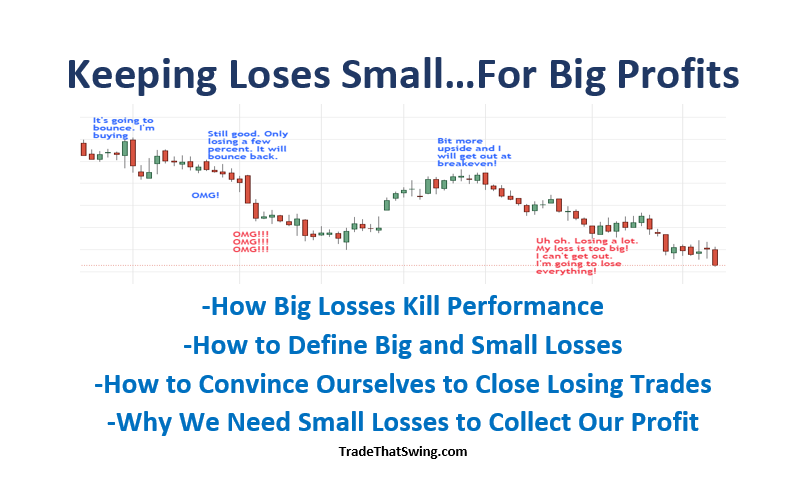
Revenge trading occurs when traders attempt to recover losses by making impulsive and emotionally driven trades. This behavior can lead to further losses and negative psychological effects. By recognizing the urge to engage in revenge trading and actively avoiding it, traders can protect themselves from unnecessary risks and maintain disciplined trading practices.

Recognizing cognitive biases
Confirmation bias and its impact on decision making
Confirmation bias is a cognitive bias that can significantly impact decision making in forex trading. It occurs when traders only seek out information that confirms their existing beliefs or expectations while ignoring contradictory evidence. By recognizing and actively challenging confirmation bias, traders can make more objective and informed trading decisions.
Anchoring bias and its influence on trade expectations
Anchoring bias refers to the tendency to rely heavily on the first piece of information encountered when making decisions. In forex trading, this bias can lead traders to anchor their expectations to certain price levels or market conditions, potentially distorting their analysis and decision-making process. By being aware of anchoring bias, traders can approach each trade with a more open and flexible mindset.
Hindsight bias and its distortions of past trades
Hindsight bias is the tendency to perceive past events as more predictable than they actually were. In forex trading, this bias can lead traders to believe that they should have known the outcome of a trade, even if the information was not available or evident at the time. By recognizing hindsight bias, traders can avoid making irrational judgments based on past events and focus on objective analysis.
Availability bias and its effect on evaluating market information
Availability bias is the tendency to rely on readily available information when making judgments or decisions. In forex trading, this bias can lead traders to overemphasize recent or easily accessible market information, potentially overlooking important factors or trends. By actively seeking out diverse sources of information and challenging availability bias, traders can make more informed and balanced trading decisions.
Developing and following a trading plan
Defining clear goals and objectives
A trading plan is a crucial tool for successful forex trading. It should include clear goals and objectives that align with your trading strategy and personal financial objectives. By defining clear goals, you can stay focused and motivated, making it easier to bounce back from losses and stay on track towards your long-term trading goals.
Identifying entry and exit strategies
An effective trading plan should include well-defined entry and exit strategies for each trade. By clearly identifying the conditions that warrant entering or exiting a trade, you can minimize emotional and impulsive decision-making. This ensures that your trading decisions are based on a well-thought-out plan rather than on fleeting market movements.
Establishing risk-reward ratios
Establishing risk-reward ratios is an essential component of a trading plan. It involves determining the potential profit target relative to the potential loss in each trade. By setting appropriate risk-reward ratios, traders can ensure that the potential rewards outweigh the risks, helping to maintain a profitable trading strategy over the long term.
Monitoring and adjusting the plan as needed
A trading plan should be a living document that is regularly reviewed and adjusted as needed. Market conditions and personal circumstances can change over time, and it is essential to incorporate these changes into your plan. By monitoring and adjusting your plan, you can adapt to evolving market dynamics and maintain a flexible and effective trading strategy.
:max_bytes(150000):strip_icc()/tradinglosingstreak-56ec2d783df78ce5f834b5e3.jpg "The Psychology Of Forex Losses: How To Bounce Back From A Bad Trade")
Practicing discipline and patience
Adhering to predetermined trading rules
Discipline is a crucial trait for successful forex trading. It involves adhering to predetermined trading rules and avoiding impulsive or emotionally driven decisions. By sticking to your trading plan and following your established rules, you can minimize the impact of emotions on your trading decisions and increase the likelihood of long-term success.
Avoiding impulsive trades
Impulsive trading is a common pitfall in forex trading that can lead to significant losses. Impulsive trades are often driven by emotions such as fear or greed, rather than a well-thought-out trading strategy. By recognizing and avoiding impulsive trades, traders can maintain a disciplined approach to trading and protect themselves from unnecessary risks.
Waiting for favorable market conditions
Patience is a virtue in forex trading. It involves waiting for favorable market conditions before entering or exiting a trade, rather than acting on the impulse to trade at all times. By practicing patience, traders can avoid entering trades based on emotions or incomplete analysis, increasing the likelihood of profitable trades and minimizing losses.
Handling the fear of missing out
The fear of missing out (FOMO) can be a significant source of anxiety and impulsive trading decisions. To handle the fear of missing out, it is important to focus on your long-term trading goals and remind yourself that there will always be new trading opportunities. By staying disciplined and patient, you can overcome the fear of missing out and make more rational and informed trading decisions.
Using positive self-talk and visualization
Replacing negative thoughts with positive affirmations
Positive self-talk involves consciously replacing negative thoughts or self-doubt with positive affirmations. In forex trading, it can help boost confidence and maintain a positive mindset during periods of losses. By consciously challenging negative thoughts and reframing them with positive affirmations, traders can improve their psychological well-being and overall trading performance.
Visualizing successful trades
Visualization is a powerful technique used by many successful traders. It involves mentally rehearsing successful trades and visualizing positive outcomes. By visualizing successful trades, traders can enhance their confidence and belief in their abilities, helping them bounce back from losses and remain focused on their long-term trading goals.
Creating a supportive trading environment
Creating a supportive trading environment is essential for maintaining a positive mindset and managing emotions during forex trading. This can involve surrounding yourself with supportive individuals, establishing a dedicated trading space, and minimizing distractions. By creating a supportive trading environment, you can optimize your focus and concentration, leading to improved trading performance.
Harnessing the power of gratitude and mindfulness
Gratitude and mindfulness practices can help traders manage emotions and maintain a positive mindset in the face of losses. By focusing on the present moment and cultivating gratitude for the opportunities and lessons that trading provides, traders can reduce stress and anxiety, leading to improved decision-making and overall well-being.
Seeking professional help when needed
Recognizing signs of excessive stress or burnout
Forex trading can be demanding and stressful, and it is important to recognize signs of excessive stress or burnout. These signs can include persistent feelings of anxiety, difficulty concentrating, or a loss of enjoyment in trading. If these signs persist or significantly impact your daily life, it may be beneficial to seek professional help.
Consulting with a therapist or psychologist
If you are experiencing significant emotional distress or struggling to cope with forex losses, it can be helpful to consult with a therapist or psychologist. They can provide guidance and support in managing emotions, developing coping strategies, and improving overall psychological well-being. Seeking professional help is a proactive step towards maintaining optimal mental health in forex trading.
Joining support groups or forums
Support groups or online forums can be valuable resources for forex traders facing challenges or losses. These communities offer a space for sharing experiences, receiving advice, and gaining support from individuals who understand the unique demands of forex trading. Joining support groups or forums can provide a sense of belonging and help maintain a positive mindset during difficult times.
Balancing trading with other life activities
Maintaining a healthy work-life balance is essential for overall well-being, including in forex trading. It is important to engage in other activities and hobbies outside of trading to prevent burnout and maintain perspective. By balancing trading with other life activities, traders can reduce the psychological impact of losses and maintain a more well-rounded approach to life.
Analyzing and debriefing after a bad trade
Reviewing the trade objectively
After a bad trade, it is important to review the trade objectively. This involves analyzing the factors that contributed to the loss, such as technical indicators, market conditions, or personal decision-making. By reviewing the trade objectively, traders can identify areas for improvement and refine their trading strategies for future trades.
Identifying mistakes or areas for improvement
In the process of analyzing a bad trade, it is crucial to identify mistakes or areas for improvement. This can include errors in analysis, emotional decision-making, or ineffective risk management. By acknowledging and learning from these mistakes, traders can enhance their trading skills and reduce the likelihood of similar losses in the future.
Adjusting strategies based on lessons learned
Based on the lessons learned from a bad trade, it is important to make adjustments to trading strategies. This can involve refining entry and exit strategies, adjusting risk management techniques, or fine-tuning technical analysis methods. By incorporating the lessons learned from losses into future trading strategies, traders can increase their chances of success and minimize future losses.
Maintaining a trading journal
A trading journal is a valuable tool for analyzing and debriefing after bad trades. It involves recording details of each trade, including entry and exit points, reasons for entering the trade, and the outcome. By maintaining a trading journal, traders can track their progress, identify patterns or trends in their trading behavior, and make more informed decisions based on historical data.