


Imagine being part of a global marketplace where currencies are bought and sold, offering you the opportunity to profit from fluctuations in exchange rates. That’s exactly what Forex trading is all about. In this article, we will explore the concept of Forex trading and demystify how it works, giving you a glimpse into this fascinating world of financial trading. So sit back, relax, and let’s embark on a journey to understand the fundamentals of Forex trading together.
What is Forex Trading?
Definition of Forex Trading
Forex, short for Foreign Exchange, is the decentralized global market where currencies are bought and sold. It is the largest and most liquid market in the world, with an average daily trading volume of around $6.6 trillion. Forex trading involves the simultaneous buying of one currency and selling of another, with the aim of making a profit from fluctuations in exchange rates.
Overview of the Forex Market
The Forex market operates 24 hours a day, five days a week, allowing participants to trade currencies at any time. Unlike stock markets, which have specific trading hours, Forex trading is not centralized and is conducted electronically over-the-counter (OTC). The market consists of different participants, including banks, central banks, commercial companies, investment management firms, and retail traders.
How Does Forex Trading Work?
Currency Pairs
Forex trading involves trading currency pairs, where one currency is purchased and another currency is sold simultaneously. Each currency pair is quoted with a bid price and an ask price. The bid price represents the price at which traders are willing to sell the base currency, while the ask price represents the price at which they are willing to buy the base currency. The difference between the bid and ask price is known as the spread.
Buying and Selling in Forex
In Forex trading, you can either buy (go long) or sell (go short) a currency pair. If you believe the value of the base currency will increase compared to the quote currency, you would buy the currency pair. On the other hand, if you anticipate the value of the base currency to decrease, you would sell the currency pair. Profits and losses in Forex trading are realized by the fluctuations in exchange rates.
Leverage and Margin
One of the unique features of Forex trading is leverage, which allows you to control larger positions with a smaller amount of capital. Leverage is expressed as a ratio, such as 1:100, which means that for every dollar of your capital, you can control $100 in the market. While leverage can amplify profits, it also increases the potential for losses. Margin is the amount of capital required to open and maintain a leveraged position.
Bid and Ask Price
The bid and ask price in Forex trading represent the highest price that a buyer is willing to pay (bid) and the lowest price that a seller is willing to accept (ask) for a currency pair. The bid-ask spread is the difference between these two prices and represents the cost of trading. Typically, the spread is narrower for major currency pairs, as they have higher liquidity.
Pips and Spread
In Forex trading, price movements are measured in pips, which stands for “percentage in point”. A pip is the smallest incremental movement in a currency pair and represents the fourth decimal place in most currency pairs. For example, if the EUR/USD currency pair moves from 1.2000 to 1.2001, it has moved one pip. The spread is the difference between the bid and ask price and is measured in pips.
Key Participants in Forex Trading
Banks
Banks play a crucial role in the Forex market as they act as intermediaries for large transactions and provide liquidity. They facilitate the buying and selling of currencies for their clients, including other banks, corporations, and hedge funds. Banks also engage in speculative trading to profit from exchange rate fluctuations.
Central Banks
Central banks, such as the Federal Reserve in the United States and the European Central Bank, influence the Forex market through monetary policy decisions. They have the ability to adjust interest rates and implement quantitative easing measures, which impact the value of a country’s currency. Central banks often intervene in the market to stabilize their currency or address economic imbalances.
Commercial Companies
Commercial companies participate in Forex trading for various reasons. They may engage in import and export activities, which involve exchanging one currency for another, or they may hedge their foreign currency exposure to reduce the risk of adverse exchange rate movements. Commercial companies also use Forex trading as a mechanism to invest excess funds and generate potential profits.
Investment Management Firms
Investment management firms, such as hedge funds and mutual funds, trade Forex on behalf of their clients. These firms have dedicated teams of analysts and traders who analyze market trends and economic data to make informed trading decisions. Investment management firms may engage in a range of trading strategies, including long-term investments and short-term speculation.
Retail Traders
Retail traders are individual investors who trade Forex through online platforms provided by brokers. They have access to the same market prices and trading opportunities as institutional participants, but on a smaller scale. Retail traders can trade Forex as a hobby or as a source of income. The availability of leverage and the ability to start with a small amount of capital have made Forex trading accessible to retail traders.
Factors Affecting Forex Trading
Economic Data and News
Economic data and news releases, such as GDP figures, employment reports, and inflation data, have a significant impact on Forex trading. Positive economic data may strengthen a country’s currency, while negative data can weaken it. Traders closely monitor economic indicators to anticipate market movements and adjust their trading strategies accordingly.
Political Events
Political events, such as elections, government policies, and geopolitical tensions, can significantly influence Forex trading. Political stability and the overall economic and social climate of a country play a crucial role in determining the value of its currency. Sudden changes in political leadership or the introduction of new policies can create volatility in the Forex market.
Interest Rates
Interest rates have a direct impact on the value of a currency. Central banks use interest rates to manage inflation and stimulate or cool down the economy. Higher interest rates attract foreign investors seeking higher returns, driving up demand for the currency and increasing its value. Conversely, lower interest rates make a currency less attractive, leading to a decrease in its value.
Inflation
Inflation is another important factor that affects Forex trading. High inflation erodes the purchasing power of a currency, reducing its value. Central banks closely monitor inflation rates and adjust monetary policy to maintain price stability. Traders pay attention to inflation data to evaluate the health of an economy and predict the direction of a currency’s value.
Market Sentiment
Market sentiment refers to the overall attitude and perception of traders toward the Forex market. It reflects their confidence or lack thereof in the economy and can influence trading decisions. Positive market sentiment can lead to increased buying activity and upward pressure on a currency, while negative sentiment can result in selling pressure and downward movements.
Different Types of Forex Orders
Market Orders
A market order is a type of order that is executed immediately at the current market price. It is used when you want to enter or exit a trade quickly without specifying a specific price. When you place a market order, it will be filled at the prevailing bid or ask price in the market.
Limit Orders
A limit order is an order to buy or sell a currency pair at a specific price or better. It is used when you want to enter or exit a trade at a specific price target. For example, if the EUR/USD currency pair is trading at 1.2000 and you want to buy it if it reaches 1.2050, you can place a limit order at 1.2050. If the market reaches that price, your order will be executed.
Stop Orders
A stop order is an order that is triggered when the market reaches a specific price level. It is used to limit potential losses or protect profits. A stop loss order is placed below the current market price if you are long (buying) and above the market price if you are short (selling). When the market reaches the stop price, the order becomes a market order and is executed at the prevailing price.
Trailing Stop Orders
A trailing stop order is a dynamic stop order that automatically adjusts to the market price. It is used to lock in profits while giving the trade room to move in your favor. If the market moves in your favor, the trailing stop order will move with it, maintaining a certain distance from the current market price. If the market reverses and reaches the trailing stop price, the order will be triggered and the trade will be closed.
Popular Forex Trading Strategies and Analysis Techniques
Technical Analysis
Technical analysis involves the study of price charts and the use of technical indicators to forecast future price movements. Traders analyze historical price patterns, trends, support and resistance levels, and other technical indicators to identify potential entry and exit points. Technical analysis helps traders make informed decisions based on historical price behavior and market psychology.
Fundamental Analysis
Fundamental analysis focuses on analyzing economic, social, and political factors that can impact currency values. Traders who use fundamental analysis consider factors such as interest rates, GDP growth, employment data, inflation rates, and geopolitical events to determine the intrinsic value of a currency. They aim to identify undervalued or overvalued currencies based on fundamental factors.
Scalping
Scalping is a short-term trading strategy that involves making multiple quick trades to take advantage of small price movements. Scalpers aim to capture small profits by entering and exiting trades within seconds or minutes. This strategy requires a high level of discipline and rapid decision-making skills. Scalping is often done using high levels of leverage to maximize potential profits from small price changes.
Day Trading
Day trading involves opening and closing positions within the same trading day. Day traders aim to take advantage of short-term price fluctuations by entering and exiting trades within hours. They usually don’t hold positions overnight, as day trading focuses on capturing intraday price movements. Day traders rely on technical analysis and chart patterns to identify potential trading opportunities.
Swing Trading
Swing trading is a medium-term trading strategy that aims to capture larger price movements over a few days to weeks. Swing traders hold positions for a longer duration compared to day traders and look for trading opportunities based on both technical and fundamental analysis. This strategy requires patience and the ability to identify trends and reversal points in the market.
Tools and Resources for Forex Trading
Online Trading Platforms
Online trading platforms are software applications provided by Forex brokers for trading currencies. These platforms offer advanced charting tools, real-time price quotes, order execution capabilities, and other features to facilitate trading. Popular trading platforms include MetaTrader 4 (MT4), MetaTrader 5 (MT5), and cTrader, which are widely used by retail traders.
Charts and Indicators
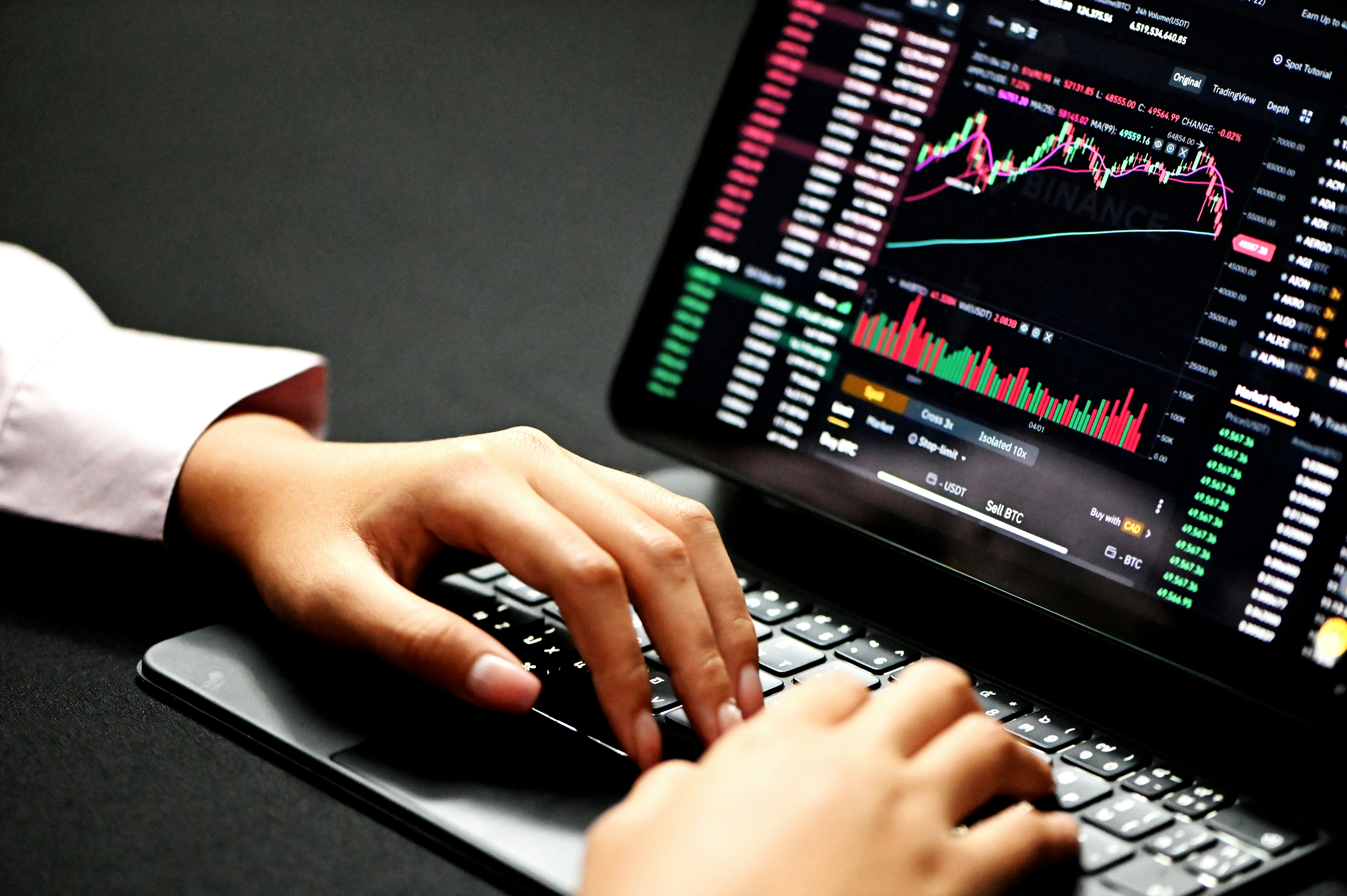
Charts and indicators are essential tools for technical analysis in Forex trading. They provide visual representations of price movements and help traders identify trends, support and resistance levels, and other important patterns. Commonly used indicators include moving averages, oscillators, and trend lines. Traders can customize charts and indicators based on their preferences and trading strategies.
Economic Calendars
Economic calendars provide information on upcoming economic events, such as central bank meetings, economic data releases, and political events. Traders use economic calendars to stay informed about market-moving events and their potential impact on currency values. By keeping track of important economic news, traders can make more informed trading decisions and manage their positions effectively.
News Feeds
News feeds provide real-time news updates and analysis on various financial markets, including Forex. Traders rely on news feeds to stay updated on economic developments, political events, and other factors that can impact currency values. News feeds are often integrated into trading platforms or available as separate services.
Forex Education
Forex education is a crucial component for successful trading. There are various educational resources available, including online courses, webinars, e-books, and articles, that cover a wide range of topics related to Forex trading. Education resources can help beginners learn the basics of Forex trading and provide advanced strategies and techniques for experienced traders.
Risks and Benefits of Forex Trading
High Volatility
Forex trading is characterized by high volatility, which means that currency prices can fluctuate rapidly and unpredictably. While volatility presents opportunities for profit, it also increases the risk of losses. Traders need to be prepared for potential price swings and have risk management strategies in place.
Leverage Risk
Leverage amplifies both potential profits and losses in Forex trading. While leverage allows traders to control larger positions with a smaller amount of capital, it also increases the risk of significant losses. Traders should use leverage judiciously and understand the potential impact on their trading accounts.
24-Hour Market
The Forex market operates 24 hours a day, five days a week. While this provides flexibility for traders, it also means that the market is constantly moving and can be challenging to keep up with. Traders need to be aware of market hours and potential liquidity issues during off-peak times.
Profit Potential
Forex trading offers the potential for significant profits due to the large daily trading volume and volatility in the market. Successful traders can capitalize on price movements and generate substantial returns. However, it is essential to note that Forex trading involves risk, and not all traders will achieve consistent profits.
Diversification
Forex trading allows traders to diversify their investment portfolios by adding exposure to foreign currencies. By including Forex in their investment strategy, traders can potentially benefit from diversification and reduce the risk associated with investing in a single asset class or market.

Tips for Successful Forex Trading
Create a Trading Plan
Having a trading plan is essential for success in Forex trading. A trading plan outlines your goals, risk tolerance, trading strategy, and rules for trade execution and management. It helps you stay disciplined and avoid impulsive decisions based on emotions.
Manage Risk
Risk management is a crucial aspect of Forex trading. Set appropriate stop loss levels to limit potential losses and use position sizing to manage the amount of capital you put at risk in each trade. Consider implementing risk management techniques such as trailing stops or hedging strategies to protect your positions.
Stay Informed
Stay informed about market developments, economic news, and geopolitical events that can impact currency values. Continuously monitor charts, news feeds, and economic calendars to identify trading opportunities and adjust your strategies accordingly.
Practice with Demo Accounts
Before trading with real money, practice your trading strategies using demo accounts provided by Forex brokers. Demo accounts allow you to trade in a simulated environment using virtual money, giving you the opportunity to familiarize yourself with the trading platform and test your strategies without risking capital.
Start Small
Start with a small amount of capital when you begin Forex trading. This allows you to gain experience and refine your strategies without risking a significant portion of your investment capital. As you become more comfortable and profitable, you can gradually increase your trading capital.
Conclusion
Summary of Forex Trading
Forex trading is an exciting and dynamic market that offers opportunities for profit through the buying and selling of currencies. It operates 24 hours a day, five days a week, and involves various participants, including banks, central banks, commercial companies, investment management firms, and retail traders.
Importance of Education and Experience
Education and continuous learning are crucial for success in Forex trading. Understanding the fundamentals of the market, developing trading strategies, and staying informed about market developments can significantly improve your trading skills. Experience plays a vital role in honing your trading instincts and mastering the art of risk management.
Continuous Learning and Improvement
Forex trading is a continuous learning process. Keep abreast of market trends, new trading strategies, and technological advancements. Adapt your trading approach as market conditions change, and continuously evaluate and improve your trading performance. By staying proactive, disciplined, and adaptable, you can maximize your potential for success in Forex trading.
