


In the competitive world of forex trading, understanding the role of technical versus fundamental analysis becomes crucial in predicting price movements. While technical analysis relies on historical price data and patterns to make predictions, fundamental analysis delves into the economic, political, and social factors that affect currency values. Both methodologies have their strengths and limitations, but the key lies in finding a balance and utilizing the most relevant tools for accurate predictions. By understanding the role of each analysis approach, you can navigate the forex market with confidence and make informed trading decisions.
Overview of Technical Analysis
Definition of technical analysis
Technical analysis in forex trading refers to the examination of historical price and volume data to forecast future price movements. It involves analyzing charts, patterns, and indicators to identify trends and make trading decisions based on price action.
Importance of technical analysis in forex trading
Technical analysis plays a crucial role in forex trading as it helps traders interpret market behavior and make informed decisions. By studying historical data, traders can identify patterns and trends, which can aid in predicting future price movements. It also helps traders determine entry and exit points, manage risk, and develop effective trading strategies.
Key principles of technical analysis
There are several key principles in technical analysis that traders follow. These include the belief that prices move in trends, that history tends to repeat itself, and that market behavior can be predicted by analyzing price patterns. Technical analysts also emphasize the importance of support and resistance levels, as well as the use of various indicators and oscillators to confirm their analysis.
Types of technical analysis tools
There are numerous technical analysis tools available to forex traders. Some of the common ones include moving averages, trend lines, Fibonacci retracements, and oscillators like Relative Strength Index (RSI) and Moving Average Convergence Divergence (MACD). These tools help traders identify trends, reversals, and overbought or oversold conditions in the market.
Understanding Fundamental Analysis
Definition of fundamental analysis
Fundamental analysis in forex trading involves studying economic, political, and social factors that influence currency values. It focuses on examining a country’s macroeconomic indicators, such as GDP, inflation rates, interest rates, employment data, and geopolitical events. Fundamental analysts aim to determine the intrinsic value of a currency and identify factors that may impact its future value.
Importance of fundamental analysis in forex trading
Fundamental analysis is essential in forex trading as it provides a broader perspective on currency movements. By analyzing economic indicators and news events, traders can gain insights into the underlying factors that drive price changes. This information helps traders make informed decisions, understand market trends, and anticipate potential market reactions.
Key factors analyzed in fundamental analysis
Fundamental analysts consider various factors when analyzing currencies. These factors include economic indicators such as GDP growth, inflation rates, and employment data. They also evaluate central bank policies, interest rates, political stability, and geopolitical events that may affect currency values. Understanding these factors allows traders to gauge the overall health and stability of a country’s economy.
Economic indicators and their impact on forex prices
Economic indicators, such as employment data, inflation rates, and GDP growth, have a significant impact on forex prices. Positive economic indicators often lead to a stronger currency, while negative indicators can weaken a currency. Traders closely monitor these indicators to anticipate market reactions and adjust their trading strategies accordingly.
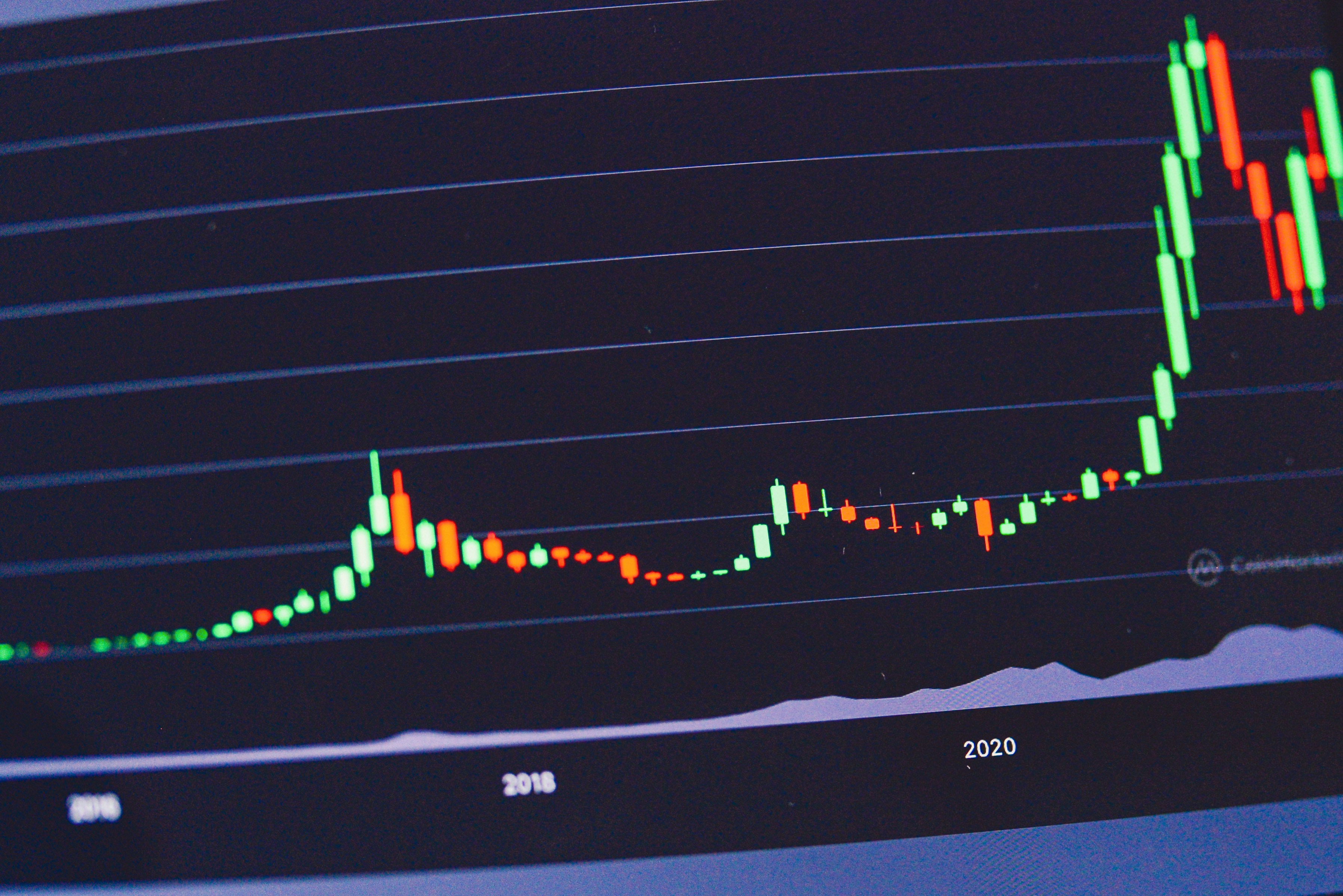
Comparison of Technical and Fundamental Analysis
Different approaches and perspectives
Technical analysis focuses on analyzing price patterns and chart movements, while fundamental analysis examines economic and geopolitical factors. Technical analysts believe that historical price and volume data provide valuable insights into future price movements, while fundamental analysts believe that economic indicators and news events are the primary drivers of currency value.
Short-term vs. long-term analysis
Technical analysis is often used for short-term trading, as it relies on short-term price patterns and trends. In contrast, fundamental analysis is used for both short-term and long-term trading, as it assesses the overall economic health of a country. Fundamental analysis is particularly helpful in long-term investing decisions.
Role of market sentiment
Both technical and fundamental analysis take into account market sentiment. Technical analysis examines the psychology of market participants and how it influences price movements. Fundamental analysis considers how market sentiment is affected by economic indicators, monetary policies, and geopolitical events. Understanding market sentiment can help traders anticipate crowd behavior and make better trading decisions.
Strengths and limitations of each approach
Technical analysis has the advantage of providing clear entry and exit points, as well as specific stop-loss and take-profit levels. It is also well suited for short-term trading and active traders. However, technical analysis may not capture the full picture of market fundamentals and can be subjective. Fundamental analysis provides a broader understanding of currency value and long-term trends but may be less effective in short-term trading.
Role of Technical Analysis in Predicting Forex Price Movements
Identification of trends and patterns
One of the key roles of technical analysis is identifying trends and patterns in price charts. By analyzing historical price data, traders can identify uptrends, downtrends, and sideways movements. This information helps traders make predictions about future price movements and adjust their trading strategies accordingly.
Support and resistance levels
Technical analysis also involves identifying support and resistance levels. Support represents a price level at which the demand for a currency is strong enough to prevent it from falling further. Resistance, on the other hand, is a price level at which the supply of a currency is sufficient to prevent it from rising further. Traders use these levels to determine potential entry and exit points.
Technical indicators and oscillators
Technical analysts use various indicators and oscillators to generate trading signals and confirm their analysis. Moving averages, for example, help identify trends, while oscillators like the Relative Strength Index (RSI) and Moving Average Convergence Divergence (MACD) help determine overbought and oversold conditions in the market. These tools assist traders in making informed trading decisions.
Chart patterns and formations
Chart patterns and formations play a significant role in technical analysis. Common patterns include head and shoulders, double tops and bottoms, triangles, and flags. By recognizing these patterns, traders can predict future price movements with a reasonable degree of accuracy. Chart patterns provide valuable insights into market psychology and can help traders identify potential breakouts or reversals.

Role of Fundamental Analysis in Predicting Forex Price Movements
Assessing economic data and news
Fundamental analysis relies on assessing economic data and news to understand the overall health and strength of a country’s economy. By examining indicators such as GDP, inflation rates, and employment data, traders can gain insights into the potential future direction of a currency’s value.
Interest rates and central bank actions
Interest rates and central bank policies play a crucial role in fundamental analysis. Central banks use interest rates to control inflation and stimulate or cool economic growth. Traders closely monitor changes in interest rates and central bank actions as they can have a significant impact on currency values.
Geopolitical events and their impact
Geopolitical events, such as elections, political crises, and trade disputes, can have a profound impact on forex prices. Fundamental analysis takes into account these events and their potential consequences for a country’s economy. Traders analyze geopolitical developments to anticipate market reactions and adjust their trading strategies accordingly.
Strength of a country’s economy
Fundamental analysis assesses the strength and stability of a country’s economy by examining various factors such as GDP growth, employment rates, and trade balances. Traders consider these economic indicators to determine the long-term prospects of a currency. A strong economy is generally associated with a strong currency, while a weak economy can result in a weaker currency.
Interplay between Technical and Fundamental Analysis
How technical and fundamental analysis complement each other
Technical and fundamental analysis are complementary approaches to analyzing forex markets. While technical analysis focuses on price patterns and chart movements, fundamental analysis considers economic indicators and news events that impact currency values. By combining both approaches, traders can gain a more comprehensive understanding of market dynamics and make more informed trading decisions.
Using technical analysis to confirm fundamental analysis
Traders often use technical analysis to confirm their fundamental analysis. For example, if fundamental analysis suggests that a currency is likely to strengthen, technical analysis can be used to identify favorable entry points based on price patterns and indicators. The confirmation from technical analysis can provide additional confidence in the trade.
Analyzing price reactions to fundamental events
The interplay between technical and fundamental analysis is evident when analyzing price reactions to fundamental events. Traders use technical analysis to examine how the market reacts to economic data releases, central bank announcements, or geopolitical developments. By analyzing price movements and patterns, traders can assess whether the market has fully priced in the fundamental event or if there is potential for further movement.
Considering market expectations
Both technical and fundamental analysis take into account market expectations. Traders consider how market participants anticipate and react to economic indicators and events. By understanding market expectations, traders can better position themselves ahead of potential price movements and capitalize on market sentiment.

Behavioral Finance and its Influence
Psychological factors affecting market participants
Behavioral finance studies how psychological factors influence market participants’ decision-making. Emotions such as fear and greed can drive irrational behavior and impact market prices. Understanding these psychological factors is crucial for traders as it can help them anticipate market sentiment and make rational trading decisions.
Understanding investor sentiment
Investor sentiment refers to the overall attitude and emotional state of market participants towards a particular asset or market. It can range from bullish (positive sentiment) to bearish (negative sentiment) and can influence buying and selling decisions. Traders analyze investor sentiment to gauge market expectations and potential future price movements.
Biases and herding behavior
Behavioral finance highlights various biases that can affect market participants’ decision-making. These biases include overconfidence, confirmation bias, and herding behavior. Overcoming these biases is important for traders as it can help them make more objective trading decisions and avoid following the crowd blindly.
Implications for technical and fundamental analysis
Behavioral finance has implications for both technical and fundamental analysis. Technical analysis can identify patterns and trends that may be driven by market sentiment and emotional biases. Fundamental analysis can analyze market reactions to news events and economic indicators, taking into account the impact of investor sentiment. Understanding behavioral finance can help traders better interpret market dynamics and make more accurate predictions.
Market Efficiency and Predictability
Efficient market hypothesis
The efficient market hypothesis (EMH) suggests that all publicly available information is quickly and accurately reflected in asset prices. According to this theory, it is not possible to consistently outperform the market by using either technical or fundamental analysis. The EMH challenges the idea that past price data or fundamental information can be used to predict future price movements.
Random walk theory
The random walk theory is closely related to the efficient market hypothesis. It suggests that stock price changes are unpredictable and follow a random pattern. This theory implies that technical analysis, which relies on historical price patterns, is not consistently reliable in predicting future price movements.
Role of information in price movements
Information plays a critical role in driving price movements in the forex market. Both technical and fundamental analysis rely on information to make predictions about future price movements. Traders interpret and analyze this information to identify opportunities and assess risk.
Debate on market predictability
The debate on market predictability revolves around the question of whether it is possible to consistently predict future price movements accurately. Supporters of technical analysis argue that historical patterns and price data can provide insights into future trends. Fundamental analysis proponents believe that economic indicators and news events provide a foundation for predicting currency movements. The debate continues, with traders utilizing different approaches based on their beliefs and experiences.

Advancements in Forex Analysis Tools and Technology
Automated trading systems and algorithms
Advancements in technology have led to the development of automated trading systems and algorithms. These systems use pre-programmed rules and algorithms to execute trades automatically based on technical indicators and other factors. Automated trading systems can help traders streamline their analysis process and execute trades more efficiently.
Machine learning and artificial intelligence
Machine learning and artificial intelligence (AI) have revolutionized forex analysis. These technologies can analyze vast amounts of data to identify patterns, correlations, and trends that may not be obvious to human analysts. Machine learning algorithms can adapt and improve over time, potentially enhancing the accuracy of analysis and prediction.
Big data and data analytics
Big data and data analytics have become essential tools for forex analysis. Traders can access and analyze large volumes of historical and real-time data to identify patterns and trends. Data analytics tools help traders make sense of complex data sets, facilitating more informed trading decisions.
Impact of technology on analysis accuracy
The advancements in forex analysis tools and technology have significantly impacted analysis accuracy. Traders can access real-time data, perform complex calculations quickly, and utilize predictive algorithms. These technological advancements can improve the accuracy of analysis and enhance traders’ ability to predict and respond to market movements.
Expert Opinions and Strategies
Views of prominent forex traders
Prominent forex traders often share their opinions and strategies regarding technical and fundamental analysis. Some traders may heavily rely on technical analysis, while others may prioritize fundamental analysis. It is important for traders to consider various perspectives and adapt their approach based on their own trading style and beliefs.
Successful trading strategies
Successful trading strategies often incorporate both technical and fundamental analysis. Traders may combine technical indicators, pattern recognition, and chart formations with an understanding of economic indicators, news events, and market sentiment. The key is to develop a trading strategy that aligns with one’s trading style and risk tolerance.
Combining technical and fundamental analysis
Many traders find value in combining technical and fundamental analysis. By considering both perspectives, traders can gain a comprehensive understanding of the market and make more informed trading decisions. Technical analysis can help confirm or validate fundamental analysis, while fundamental analysis can provide context and confirm the underlying factors driving technical patterns.
Adapting analysis to changing market conditions
Market conditions are constantly evolving, and traders must adapt their analysis accordingly. Both technical and fundamental analysis strategies may need to be revised or adjusted based on changing market trends, economic indicators, or news events. Successful traders continuously evaluate and refine their analysis methods to stay ahead of market dynamics.
In conclusion, both technical and fundamental analysis play crucial roles in predicting forex price movements. Technical analysis focuses on price patterns and chart movements, while fundamental analysis examines economic indicators and news events. While there is an ongoing debate about the efficacy of each approach, many traders find value in combining both methods to gain a more comprehensive understanding of the market. Advances in technology have also significantly impacted forex analysis, providing traders with powerful tools and accurate data to enhance their predictions. By understanding the interplay between technical and fundamental analysis and considering market dynamics and behavioral factors, traders can develop effective strategies to navigate the forex market.
