


Have you ever wondered why forex trading is so challenging? Despite its allure as a potentially lucrative investment opportunity, many traders struggle to navigate the complexities of the forex market. From the ever-changing economic landscape to the sheer volume of information to process, there are numerous factors that contribute to the difficulty of forex trading. In this article, we will explore some of the key reasons why forex trading can be so daunting, and offer insights into how traders can overcome these obstacles to find success in the forex world.

Lack of Knowledge and Experience
Unfamiliarity with the Forex Market
When it comes to forex trading, one of the main reasons why it can be challenging is the lack of knowledge and experience. For beginners, the forex market can be unfamiliar territory, making it difficult to navigate and understand its intricacies. Without a solid foundation in forex trading concepts and principles, it can be overwhelming to make informed decisions and effectively manage trades.
Complexity of Forex Trading Strategies
Another factor that contributes to the difficulty of forex trading is the complexity of trading strategies. There are numerous strategies available, each with its own set of rules and indicators. Understanding and implementing these strategies can be overwhelming, as traders need to analyze market trends, interpret technical indicators, and make informed predictions. It takes time and practice to fully grasp and implement different trading strategies effectively.
Technical Analysis and Fundamental Analysis
Forex trading involves a combination of technical analysis and fundamental analysis. Technical analysis involves studying price charts, patterns, and indicators to predict future price movements. Fundamental analysis focuses on analyzing economic, political, and social factors that may affect currency values. Both forms of analysis require a deep understanding of economic and financial indicators, making forex trading challenging for those who are unfamiliar with these concepts.
Emotional Factors
Fear and Greed
Emotional factors play a significant role in forex trading and can make it particularly challenging. Two prevalent emotions that often impact traders are fear and greed. Fear can lead to hesitation and indecision, causing traders to miss out on potential opportunities. On the other hand, greed can drive traders to take unnecessary risks, leading to poor trading decisions. Managing these emotions and maintaining a disciplined approach to trading is vital for success in forex trading.
Impatience and Lack of Discipline
Impatience and lack of discipline are common pitfalls that traders face in the forex market. It can be tempting to enter trades impulsively or exit trades prematurely due to impatience. Without a disciplined approach, traders may fail to follow their trading plan, deviating from their strategy and exposing themselves to unnecessary risks. Developing patience and discipline is crucial to avoiding emotional decision-making and maintaining a consistent trading approach.
Psychological Pressures
Forex trading can also bring about significant psychological pressures. Traders may experience stress, anxiety, and pressure to perform well in a highly competitive market. The fear of financial loss can also impact decision-making, leading traders to make irrational choices. Managing psychological pressures and maintaining a healthy mindset is essential to overcome these challenges and make objective trading decisions.
Market Volatility
High Liquidity and Fast-Paced Nature
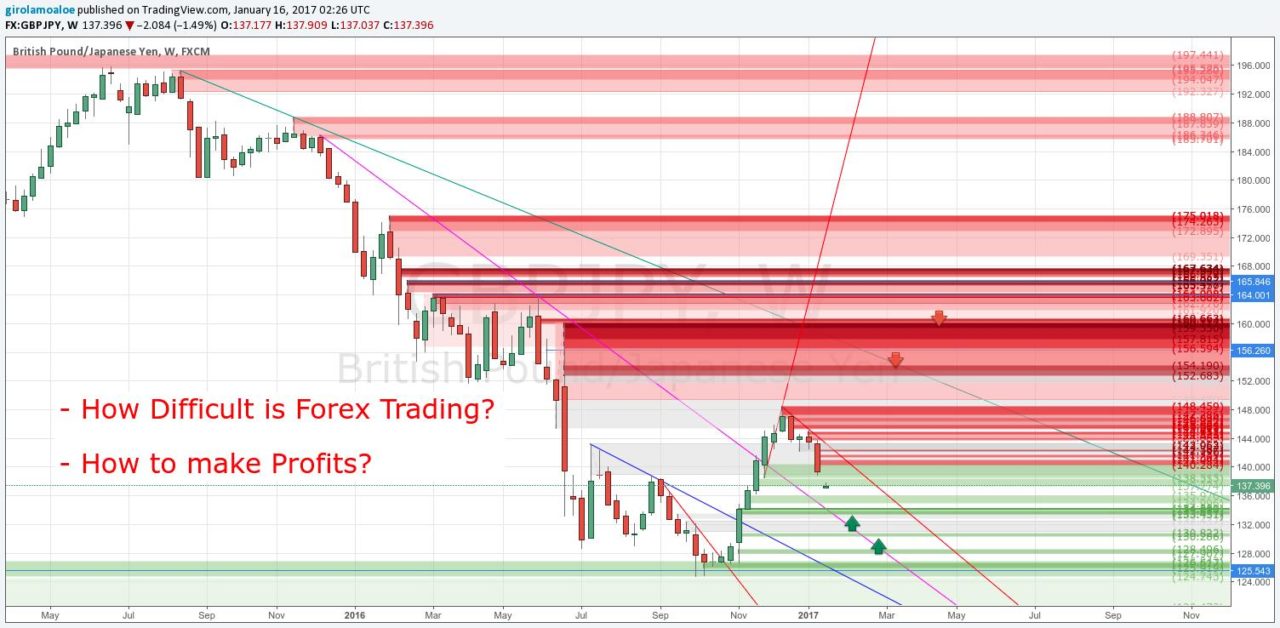
The forex market is known for its high liquidity and fast-paced nature. It is the most liquid financial market globally, with trillions of dollars traded daily. While this liquidity can provide ample trading opportunities, it also leads to heightened volatility. Rapid price movements can make it challenging to enter and exit trades effectively, requiring traders to stay attentive and act quickly.
Unpredictable Price Movements
Forex markets can experience unpredictable price movements due to various factors such as economic news, geopolitical events, and market sentiment. The market can quickly change direction, leading to unexpected losses or missed opportunities. Traders need to analyze these factors and stay updated with market trends to navigate the volatility effectively.
News and Economic Releases Impact
News and economic releases can significantly impact currency values. Economic indicators such as GDP, employment data, and interest rate decisions can create substantial market fluctuations. Traders need to stay informed about upcoming news events and economic releases to avoid being caught off guard and effectively manage their trades.
Leverage and Financial Risk
Lack of Proper Risk Management
Forex trading involves the use of leverage, which allows traders to control larger positions with smaller amounts of capital. While leverage can amplify profits, it also increases the risk of substantial losses. Without proper risk management, traders may expose themselves to excessive risks, leading to significant financial losses. Understanding and implementing effective risk management strategies is crucial for protecting capital and mitigating potential losses.
Overleveraging and Margin Calls
Overleveraging is a common mistake made by inexperienced traders. It involves taking on more leverage than one can afford, leading to margin calls and potential account liquidation. Margin calls occur when a trader’s account equity falls below the required margin level. Traders must exercise caution and avoid overleveraging to protect themselves from unexpected market moves and potential margin calls.
Financial Losses
Forex trading inherently carries the risk of financial losses. The market can be unpredictable, and even the most skilled traders can experience losses. Learning to accept and manage losses is an essential part of forex trading. Traders must be prepared for occasional losses and have a plan in place to minimize their impact on overall trading performance.
Scams and Frauds
Unregulated Forex Brokers
The forex trading industry is not immune to scams and frauds. Unregulated forex brokers may engage in unethical practices, such as manipulating prices, refusing withdrawals, or providing false information. Traders must be cautious and choose reputable, regulated brokers to ensure the safety of their funds and trading activities.
Signal Provider Scams
Signal providers are individuals or companies that offer trading signals or recommendations to traders. However, some signal providers may engage in fraudulent activities, providing inaccurate signals or misleading information. Traders should carefully evaluate and verify the credibility of signal providers before relying on their recommendations.
Fake Trading Systems
Fake trading systems are another common form of scams in the forex market. These systems promise high profits with little effort, often through automated trading software. However, these systems are typically ineffective or fraudulent, leading to financial losses for unsuspecting traders. It is essential to exercise caution and thoroughly research any trading system or software before investing time or money.
Global Geopolitical Factors
Political Instability and Economic Uncertainty
Political instability and economic uncertainty can significantly impact forex markets. Events such as elections, government policies, and socioeconomic unrest can create volatility in currency values. Traders need to stay updated with global geopolitical events and understand their potential impact on the forex market.
Currency Manipulation and Central Bank Actions
Central banks and governments can influence currency values through actions such as interest rate adjustments, interventions, or currency manipulation. These actions can create sudden and significant movements in the forex market, making it challenging to predict and trade effectively. Traders must monitor central bank actions and understand their potential implications.
Global Events and Crises
Global events and crises, such as natural disasters, terrorist attacks, or economic downturns, can have a profound impact on the forex market. These events can create market uncertainty, rapid price movements, and volatility. Traders must consider these global factors and their potential effects on currency values when making trading decisions.
Technology and Connectivity Issues
Internet and Platform Outages
Technology and connectivity issues can pose challenges to forex traders. Internet outages or platform malfunctions can disrupt trading activities and potentially lead to missed trading opportunities or costly mistakes. Traders should ensure they have a reliable internet connection and backup plans in case of any technical issues.
Execution Delays and Slippage
Execution delays and slippage can occur in fast-moving markets, leading to traders entering or exiting trades at different prices than expected. These delays and slippage can affect trading results and profitability. Traders should choose brokers with reliable trade execution and monitor their trading activities closely to minimize these issues.
Data and Chart Inaccuracies
Accurate and up-to-date data and charts are crucial for effective forex trading. Inaccurate data or charting errors can lead to incorrect analysis and trading decisions. Traders should use reliable data sources and periodically verify the accuracy of their charting tools to ensure the integrity of their analysis.
Overwhelming Amount of Information
Variety of Trading Instruments
Forex trading offers a variety of trading instruments, including currency pairs, commodities, and indices. Each instrument has its unique characteristics, factors that influence its value, and trading strategies. The extensive range of trading instruments can be overwhelming for traders, especially beginners, who may struggle to choose suitable instruments and develop effective trading strategies.
Multiple Timeframes and Analysis Tools
Forex traders often analyze multiple timeframes to gain a comprehensive view of market trends and patterns. However, analyzing multiple timeframes and using various analysis tools can be time-consuming and complex. Traders need to understand how different timeframes and analysis tools interact to make informed trading decisions effectively.
Risk and Money Management Strategies
Developing and implementing risk and money management strategies is crucial for long-term success in forex trading. However, the abundance of information available on different strategies and techniques can be overwhelming. Traders must educate themselves on risk management principles and choose strategies that align with their trading style and risk tolerance.

Intense Competition
Professional Traders and Institutional Investors
Forex trading is highly competitive, with professional traders and institutional investors actively participating in the market. These experienced market participants often have access to advanced trading tools, sophisticated algorithms, and significant resources, giving them a competitive edge. Traders must be prepared to compete with these seasoned professionals and continually work on improving their trading skills and strategies.
Algorithmic Trading and High-Frequency Trading
Algorithmic trading and high-frequency trading have become prevalent in the forex market. These automated trading systems use complex algorithms and high-speed transactions to exploit market inefficiencies and capitalize on small price movements. Traders not utilizing algorithmic trading techniques may find it challenging to compete with these automated systems.
Market Manipulation
Market manipulation is another challenge that traders may face in the forex market. Large financial institutions or influential traders may attempt to manipulate currency values for their gain, creating artificial market conditions. Traders need to be aware of potential market manipulation and develop strategies to protect themselves from its impact.
Constant Learning and Adaptation
Staying Updated with Market Trends
The forex market is constantly evolving, with new trends, technologies, and market conditions emerging. Staying updated with market trends is crucial for successful trading. Traders need to remain proactive in expanding their knowledge, attending webinars, reading industry news, and adapting their strategies to changing market dynamics.
Evolving Trading Strategies
Successful forex traders understand the importance of evolving their trading strategies. What works well in one market condition may not be effective in another. Traders need to continuously evaluate and refine their strategies based on market trends and developments. Embracing flexibility and being willing to adapt is key to overcoming the challenges of forex trading.
Continuous Improvement
Forex trading requires a commitment to continuous improvement. Successful traders review their trades, assess their strengths and weaknesses, and actively seek feedback and guidance from mentors or fellow traders. By identifying areas for improvement and actively working on enhancing their skills, traders can overcome the challenges of forex trading and achieve long-term success.
In conclusion, forex trading is hard due to a combination of factors. Lack of knowledge and experience, emotional factors such as fear and greed, market volatility, leverage and financial risk, scams and frauds, global geopolitical factors, technology and connectivity issues, overwhelming information, intense competition, and the constant need for learning and adaptation all contribute to the challenges faced by forex traders. However, with dedication, a disciplined approach, and continuous improvement, traders can navigate these challenges and increase their chances of success in the forex market.